 Date: Aug 11 2025 - 08:55
 Category: Windows Server
 Tags: Cloud, cloudserver, physicalserver, virtualserver
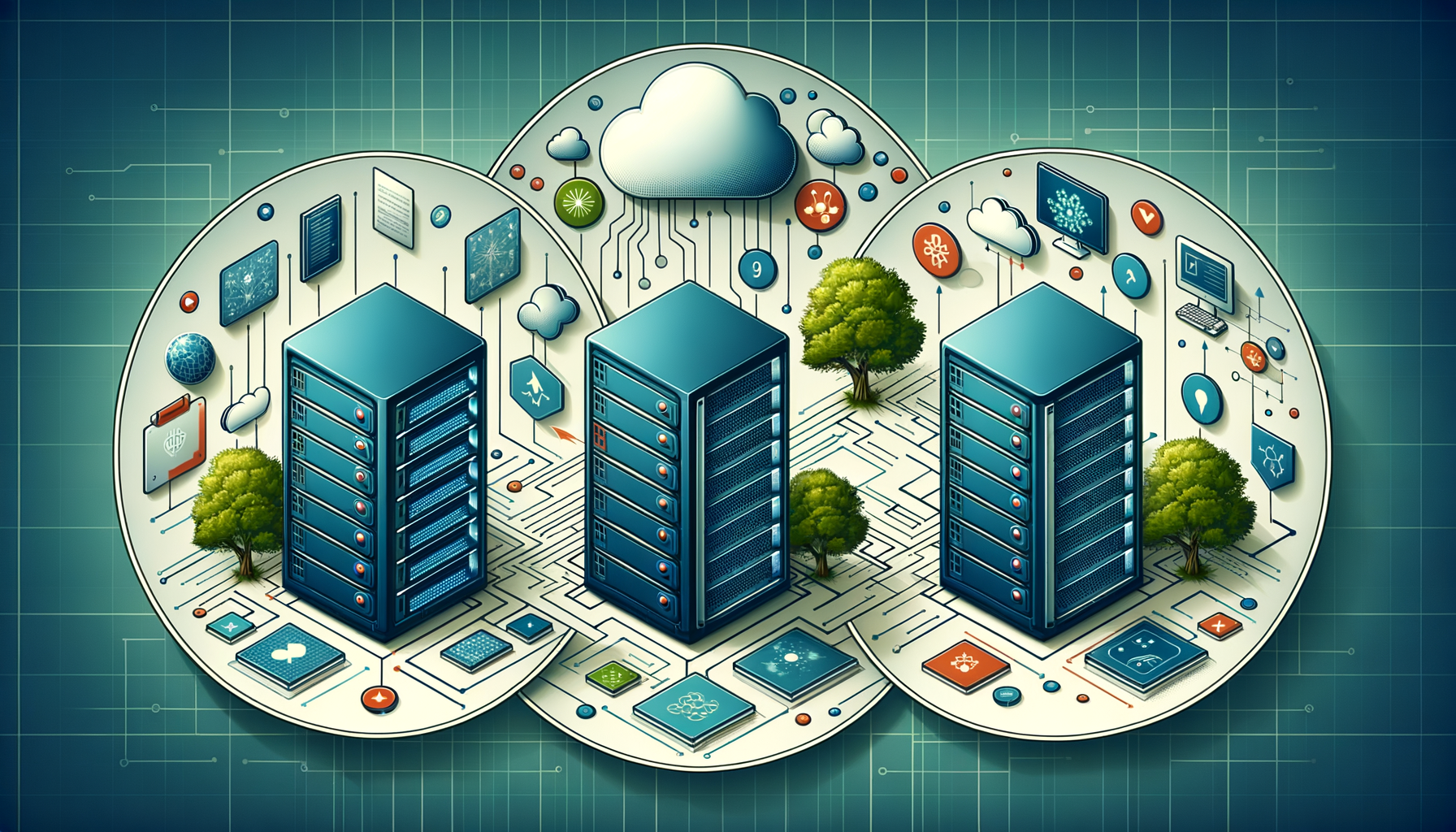
In today’s digital age, businesses rely heavily on technology to run their operations. One important decision that business owners need to make is whether to use physical, virtual, or cloud servers to host their data and applications. Each option has its own unique features and benefits, and it’s important to understand them in order to make the right choice for your business. In this blog post, we’ll explore the differences between physical, virtual, and cloud servers, and help you determine which one is the best fit for your business.

Physical servers, also known as dedicated servers, are physical machines that are located on-site, in a company’s own data center or server room. These servers are owned and managed by the business, giving them complete control over their hardware and software.
One of the main advantages of physical servers is the level of security they provide. With physical servers, businesses have complete control over their data and can implement their own security measures to protect it. This is especially important for businesses that deal with sensitive data such as financial information or personal customer data.
Another advantage of physical servers is their reliability. Since they are located on-site, businesses have direct access to them and can quickly resolve any issues that may arise. This also means that businesses don’t have to rely on an internet connection to access their data, making them ideal for businesses that require quick and constant access to their data and applications.
However, physical servers do have some drawbacks. One of the biggest drawbacks is the high cost of purchasing and maintaining them. Businesses need to invest in expensive hardware, software, and IT infrastructure to set up and maintain physical servers. This cost can be a barrier for small or growing businesses that may not have the resources to invest in such infrastructure.
Virtual servers, also known as Virtual Private Servers (VPS), are essentially a section of a physical server that is partitioned into multiple virtual servers. Each virtual server operates independently and has its own operating system, resources, and applications.
One of the main benefits of virtual servers is their cost-effectiveness. Since they are hosted on a physical server, businesses don’t have to invest in expensive hardware or IT infrastructure. This makes them a more affordable option for small and medium-sized businesses.
Virtual servers also offer greater scalability and flexibility. Businesses can easily add or remove resources as their needs change, without having to physically upgrade or replace hardware. This makes virtual servers a great option for businesses that experience fluctuations in their data and application usage.
However, one of the main drawbacks of virtual servers is their reliance on a stable internet connection. Since they are hosted off-site, businesses need a strong and stable internet connection to access their data and applications. This can be a challenge for businesses that have poor internet connectivity in their area.
Cloud servers, also known as Virtual Machines (VMs), are similar to virtual servers in that they are also hosted on a physical server. However, unlike virtual servers, cloud servers are hosted on a network of physical servers, making them more scalable and reliable.
One of the main benefits of cloud servers is their scalability. Businesses can easily scale up or down their resources and only pay for what they use. This makes them a cost-effective option for businesses that have unpredictable data and application usage.
Cloud servers also offer high levels of reliability and uptime. Since they are hosted on a network of physical servers, if one server fails, the workload is automatically transferred to another server, ensuring that businesses experience minimal to no downtime.
However, one of the main drawbacks of cloud servers is the lack of control over hardware and software. Since they are hosted off-site, businesses have little control over the hardware and software used to store and manage their data. This can be a concern for businesses that require a high level of customization and control over their servers.

Now that we’ve explored the features and benefits of physical, virtual, and cloud servers, let’s discuss how to determine which option is the best fit for your business.
First, consider your business’s budget and resources. If you have the budget and resources to invest in expensive hardware and IT infrastructure, physical servers may be the right choice for you. If you have a limited budget and need scalability and flexibility, virtual servers may be a better option. And if you have unpredictable data and application usage and require high levels of reliability and scalability, cloud servers may be the best fit for your business.
Second, consider the level of control and security your business requires. If you deal with sensitive data and need complete control over your servers, physical servers may be the best option. If you have less sensitive data and require a high level of scalability and flexibility, virtual or cloud servers may be a better fit.
Choosing the right server option for your business is a crucial decision that can impact the efficiency and success of your operations. By understanding the features and benefits of physical, virtual, and cloud servers, and considering your business’s budget and needs, you can make an informed decision and choose the option that best fits your business. Whether it’s physical, virtual, or cloud servers, each option has its own unique advantages and it’s up to you to determine which one is the right fit for your business.