 Date: Aug 12 2025 - 12:25
 Category: Trojans
 Tags: Cybercrime, Malware, Trojans
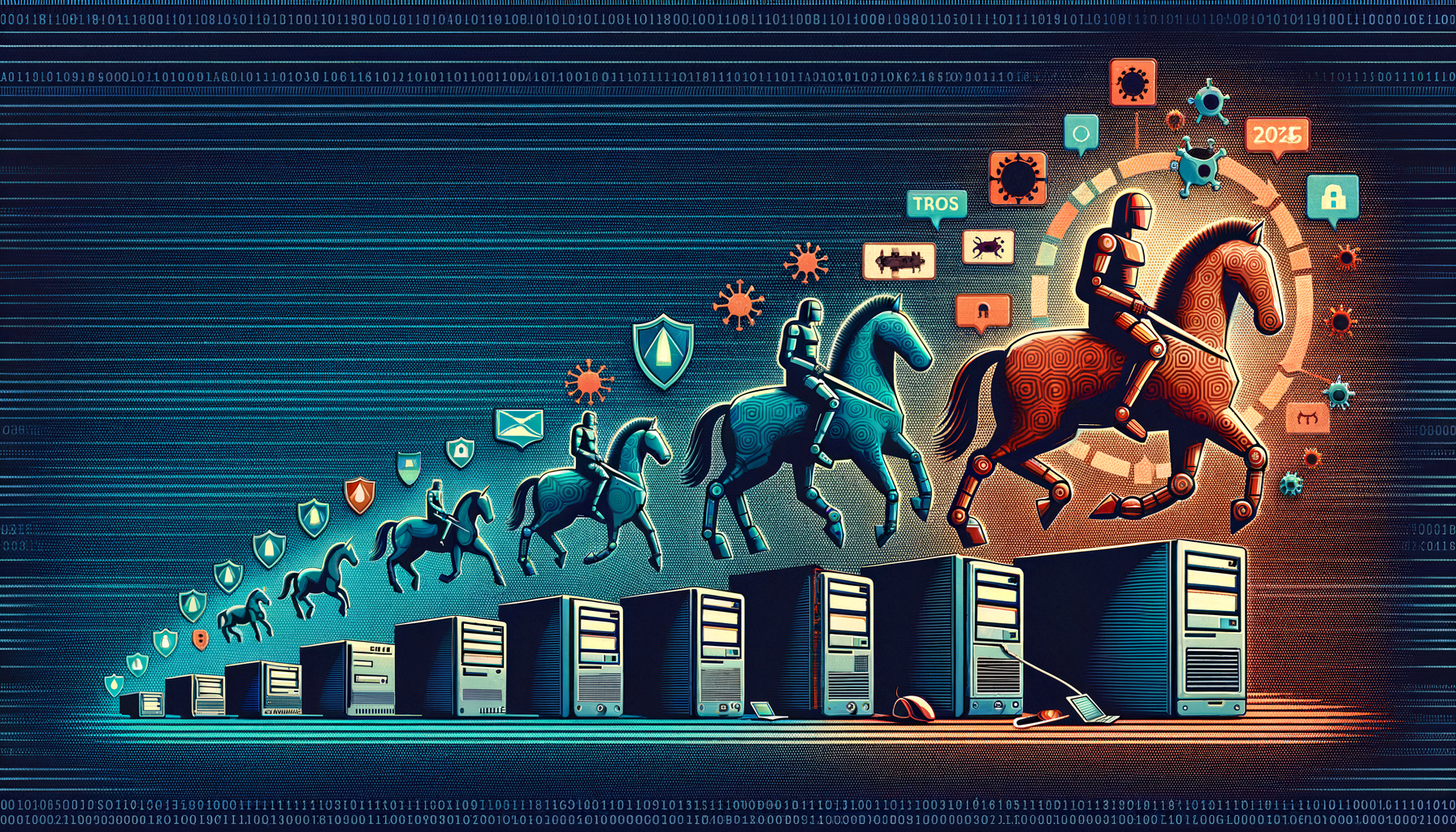
As technology continues to advance, so does the world of cybercrime. Malware, or malicious software, has become a major threat to individuals and organizations alike, with trojans being one of the most common types of malware. In this blog post, we’ll take a look at how trojans have evolved over the years and predict which malware families will dominate the cybercrime charts in 2025.
A trojan, also known as a Trojan horse, is a type of malware that disguises itself as a legitimate program or file in order to trick users into downloading or executing it. Once inside a system, a trojan can perform a variety of malicious activities, such as stealing sensitive information, modifying system settings, and even allowing remote access to the infected device.
Trojans are often spread through email attachments, software downloads, or through social engineering tactics. They can also be hidden within legitimate websites or advertisements, making it easy for unsuspecting users to fall victim to them.
The first recorded instance of a trojan was in 1975, when a hacker used a trojan to steal passwords from a computer network. Since then, trojans have become more sophisticated and dangerous, with new families constantly emerging.
One of the earliest and most well-known trojans is the Back Orifice trojan, which was created in 1998 and allowed attackers to remotely control infected devices. In the early 2000s, trojans like SubSeven and NetBus gained popularity among cybercriminals, as they allowed them to remotely control and monitor infected devices.
As technology advanced, so did trojans. In the mid-2000s, trojans like Storm Worm and Zeus gained notoriety for their ability to infect a large number of devices and steal sensitive information, such as banking credentials. These trojans were often spread through email attachments and infected websites.

In recent years, trojans have become more sophisticated and harder to detect. Some of the most prevalent trojans today include Emotet, Trickbot, and Dridex.
Emotet, first discovered in 2014, is a trojan that primarily targets banking information. It is often spread through infected email attachments and has been responsible for millions of dollars in damages.
Trickbot, first seen in 2016, is a banking trojan that also has worm-like capabilities, allowing it to spread through a network and infect multiple devices. It is often used to steal banking and financial information, making it a major threat to individuals and organizations.
Dridex, first spotted in 2014, is another banking trojan that is often spread through phishing emails. It is capable of stealing sensitive information, such as login credentials and credit card details, and has been responsible for millions of dollars in losses.

With the ever-evolving landscape of technology, it’s difficult to predict exactly what trojans will look like in 2025. However, experts believe that trojans will continue to become more sophisticated and harder to detect.
One trend that is likely to continue is the use of trojans for financial gain. Cybercriminals are constantly finding new ways to steal money through trojans, and this is not likely to change anytime soon. In fact, it is estimated that trojan-related losses will reach $1 trillion by 2025.
Another trend to watch out for is the use of trojans for targeted attacks. Rather than infecting a large number of devices, attackers may start using trojans to specifically target high-value individuals or organizations. This could lead to more devastating and costly attacks.
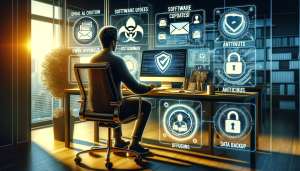
As trojans continue to become more advanced, it is important for individuals and organizations to take steps to protect themselves against these threats. Here are some tips for staying safe:
– Be cautious when opening email attachments or clicking on links, especially from unknown senders.
– Keep your devices and software up to date with the latest security patches.
– Use reputable antivirus software and keep it updated.
– Be wary of suspicious websites and pop-up ads.
– Regularly back up your important files and data.
Trojans have come a long way since their inception in 1975. They have become more sophisticated, harder to detect, and continue to be a major threat to individuals and organizations. As we look towards the future, it is clear that trojans will continue to evolve and dominate the cybercrime charts in 2025. By staying informed and taking necessary precautions, we can protect ourselves and our devices from falling victim to these malicious programs.