 Date: Aug 21 2025 - 10:50
 Category: Personal identity attacks
 Tags: malicious, threats

In today’s digital age, businesses rely heavily on technology and data to operate efficiently. This has led to an increased risk of insider threats and identity misuse, making it a growing concern for IT teams. Insider threats refer to any malicious or unintentional actions taken by individuals who have access to a company’s sensitive information. Identity misuse, on the other hand, occurs when someone uses another person’s identity, either intentionally or unintentionally, to gain access to confidential data.
In this blog post, we will delve deeper into the concept of insider threats and identity misuse, the various forms they can take, and the impact they can have on an organization. We will also discuss the role of IT teams in mitigating these risks and the steps they can take to prevent such incidents from occurring.

Insider threats can come from anyone within an organization, including employees, contractors, or third-party vendors. These individuals have been granted access to sensitive information, making them potential threats to an organization’s security. Insider threats can be malicious, where an individual purposely tries to steal or leak confidential data, or they can be unintentional, where an employee accidentally exposes sensitive information.
One of the main reasons for insider threats is the misuse of privileges. Employees may have access to more data than they need for their job, making it easier for them to misuse the information. Another common reason is disgruntled employees who may want to retaliate against the company for a perceived injustice. They may intentionally leak sensitive information to competitors or the public, causing significant damage to the company’s reputation and finances.
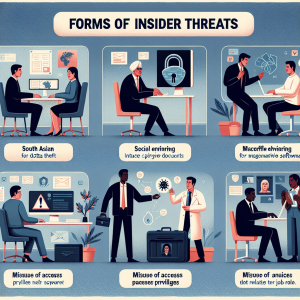
Insider threats can take various forms, and it is essential for IT teams to be aware of these potential risks. Some of the most common forms of insider threats include:
– Data theft: Employees may steal sensitive information, such as customer data or trade secrets, for personal gain or to sell to competitors.
– Malicious software: Employees with access to the company’s systems can introduce malicious software, such as viruses or malware, which can cause damage to the organization’s network and compromise sensitive data.
– Social engineering: This involves manipulating employees into giving out confidential information, such as login credentials or financial data.
– Misuse of access privileges: Employees may use their access privileges to view or manipulate data that is not relevant to their job role.

Insider threats can have a severe impact on an organization, both financially and reputationally. According to a report by IBM, the average cost of an insider-related incident is $2.79 million. This includes the costs of investigating the incident, legal fees, and damage control. In addition to financial losses, insider threats can also damage a company’s reputation, leading to a loss of customer trust and potential business opportunities.
Furthermore, insider threats can also cause disruptions in day-to-day operations, resulting in decreased productivity and potential downtime. This can have a ripple effect on the entire organization, causing delays in projects and missed deadlines.

IT teams play a crucial role in mitigating insider threats and preventing identity misuse. They are responsible for securing the company’s network and data, and they must implement proper security measures to protect against insider threats. Some of the steps that IT teams can take include:
– Implementing access controls: This involves setting up permissions and access controls to restrict employees’ access to sensitive information based on their job roles.
– Conducting regular security training: IT teams can educate employees on the importance of data security and the potential risks of insider threats. This can help employees understand the consequences of their actions and encourage them to follow proper security protocols.
– Monitoring user activity: IT teams can track user activity and look for any suspicious behavior, such as unusual login patterns or attempts to access restricted data.
– Implementing data loss prevention (DLP) solutions: DLP solutions can help detect and prevent the unauthorized transfer of confidential data by employees.
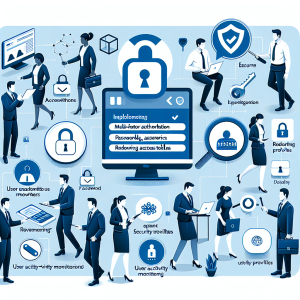
Identity misuse can also be prevented with the help of IT teams. They can implement the following measures to ensure that only authorized individuals have access to sensitive data:
– Implementing multi-factor authentication: This involves using multiple forms of identification, such as passwords, biometrics, or security tokens, to verify a user’s identity.
– Regularly reviewing and updating access privileges: IT teams should regularly review and update access privileges to ensure that employees have access to only the information they need for their job.
– Implementing user activity monitoring: Similar to insider threats, monitoring user activity can also help detect any unauthorized use of another person’s identity.
In conclusion, insider threats and identity misuse are a growing concern for IT teams, and it is essential for organizations to take steps to mitigate these risks. By understanding the various forms of insider threats and implementing proper security measures, IT teams can protect their company’s sensitive information and prevent potential financial and reputational damage. Regular security training and monitoring user activity can also help employees understand the importance of data security and prevent identity misuse. With proper measures in place, organizations can minimize the risk of insider threats and maintain the security of their valuable data.