 Date: Sep 01 2025 - 07:02
- Updated: Sep 02 2025 - 07:39
Date: Sep 01 2025 - 07:02
- Updated: Sep 02 2025 - 07:39
 Category: Data Management
 Tags: dataarchitecture, DataManagement

In today’s data-driven world, the ability to collect, store, and analyze large amounts of data is crucial for businesses to stay competitive. However, as the volume and variety of data continue to grow, traditional data architectures are no longer sufficient. To truly harness the power of data, organizations need to build a future-ready data architecture for analytics. In this blog post, we will discuss the key components of a future-ready data architecture and how it can benefit businesses in the long run.

Before we dive into the details of a future-ready data architecture, let’s first understand why it is important. In the past, data was mostly structured and limited in size, making it easier to manage and analyze. However, with the rise of social media, IoT devices, and other sources of unstructured data, traditional data architectures are struggling to keep up.
A future-ready data architecture is designed to handle the ever-growing volume and variety of data, making it the foundation for successful analytics.
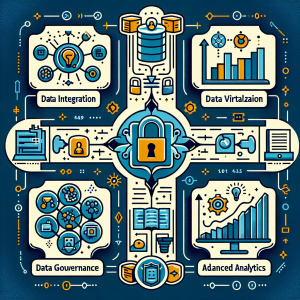
1. Data Integration: The first and most crucial component of a future-ready data architecture is data integration. It involves combining data from different sources and formats into a single, unified view. This is a complex process that requires the use of tools and technologies such as ETL (Extract, Transform, Load) and data virtualization.
2. Data Storage: With the increase in data volume, organizations need to have a scalable and flexible data storage solution. This can include traditional data warehouses, data lakes, or a combination of both. Data lakes, in particular, have gained popularity in recent years due to their ability to store both structured and unstructured data at a lower cost.
3. Data Governance: As organizations collect and store more data, the need for proper data governance becomes essential. Data governance includes policies, processes, and procedures to ensure data quality, security, and compliance. It also helps establish a single source of truth for data, ensuring consistency across the organization.
4. Advanced Analytics: A future-ready data architecture should also have the capability to perform advanced analytics, such as predictive and prescriptive analytics. This involves using machine learning and other advanced techniques to uncover insights and make data-driven decisions. Having this capability can give organizations a competitive edge in the market.
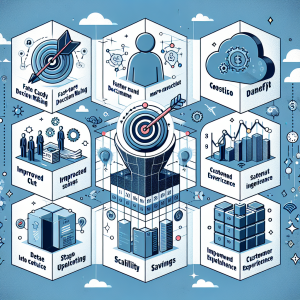
1. Faster and More Accurate Decision Making: By integrating data from various sources and performing advanced analytics, a future-ready data architecture enables organizations to make faster and more accurate decisions. This can help organizations respond to market changes and customer needs in a timely manner, giving them a competitive advantage.
2. Cost Savings: A future-ready data architecture allows organizations to store and analyze large amounts of data at a lower cost. By using data lakes and cloud-based solutions, organizations can avoid the high costs associated with traditional data warehouses. Moreover, with improved decision making, organizations can also save costs by avoiding costly mistakes and identifying new opportunities for revenue.
3. Improved Customer Experience: With a future-ready data architecture, organizations can gain a 360-degree view of their customers. By analyzing customer data, such as purchase history, social media activity, and website interactions, organizations can better understand their customers’ needs and preferences. This can lead to personalized experiences and targeted marketing, ultimately improving customer satisfaction and loyalty.
4. Scalability and Flexibility: As the volume and variety of data continue to grow, a future-ready data architecture provides scalability and flexibility. With the ability to store and analyze large amounts of data, organizations can adapt to changing business needs and scale their analytics capabilities as needed.
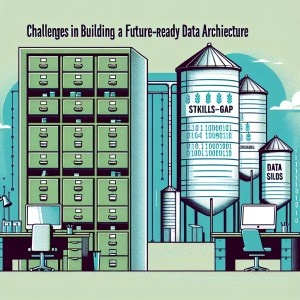
Building a future-ready data architecture is not without its challenges. Some common challenges organizations may face include:
1. Legacy Systems: Many organizations still rely on legacy systems that are not designed to handle modern data requirements. This can make it difficult to integrate data from different sources and perform advanced analytics.
2. Lack of Skills: Building a future-ready data architecture requires specialized skills in data management, analytics, and data governance. Many organizations may struggle to find and retain employees with these skills, leading to delays and inefficiencies in the implementation process.
3. Data Silos: In some organizations, data is still stored in silos, making it challenging to integrate and analyze data. Breaking down these silos and creating a unified view of data is crucial for a future-ready data architecture.

To overcome these challenges and build an effective future-ready data architecture, organizations should follow these best practices:
1. Understand Business Needs: Before embarking on building a future-ready data architecture, organizations should have a clear understanding of their business needs and goals. This will help determine what data is most valuable and how it should be integrated and analyzed.
2. Invest in Data Governance: Data governance is critical for ensuring data quality, security, and compliance. Organizations should invest in establishing a data governance framework and regularly monitor and improve it to maintain the integrity of their data.
3. Embrace Cloud Technology: Cloud-based solutions offer scalability and flexibility, making them an ideal option for a future-ready data architecture. Organizations should consider migrating their data to the cloud to reduce costs and improve agility.
4. Focus on Data Integration: As data continues to grow, integration will become more challenging. Organizations should invest in tools and technologies to automate and streamline data integration processes.
In conclusion, building a future-ready data architecture is crucial for organizations to stay competitive and make data-driven decisions. By understanding the key components, benefits, and challenges of a future-ready data architecture, organizations can take the necessary steps to build a robust and scalable data architecture that will drive their analytics efforts for years to come.