 Date: Jul 03 2025 - 11:12
- Updated: Jul 04 2025 - 08:21
Date: Jul 03 2025 - 11:12
- Updated: Jul 04 2025 - 08:21
 Category: Network
 Tags: hybridwork, networking


As the world continues to adapt and evolve in the face of the COVID-19 pandemic, one major shift that has occurred is the rise of hybrid work environments. Many companies have adopted a model where employees work both remotely and in the office, creating a new dynamic for team collaboration and communication. In this new landscape, networking has become more important than ever before. In this blog post, we will explore the role of networking in hybrid work environments and how it can benefit both individuals and organizations.
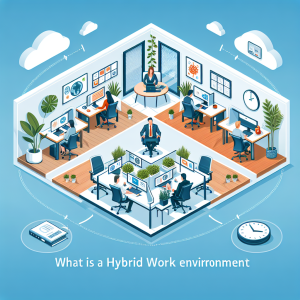
Before we dive into the role of networking in hybrid work environments, let’s define what it actually means. A hybrid work environment is a model where employees have the flexibility to work both remotely and in the office. This can vary from company to company, with some allowing employees to choose their own schedule, while others have set days for in-office work. This model has become increasingly popular due to the pandemic, as it allows for social distancing measures to be implemented while still maintaining productivity.

In a traditional office setting, networking often happens naturally through daily interactions and face-to-face meetings. However, in a hybrid work environment, these opportunities for networking may be limited. This is where intentional networking becomes crucial. When employees are not physically in the same space, it can be challenging to build and maintain relationships. Networking can bridge this gap and help employees stay connected and engaged with their colleagues.

Networking is not just about exchanging business cards and making small talk. It is about building meaningful relationships and trust with your colleagues. In a hybrid work environment, where face-to-face interactions are limited, building relationships can be more challenging. Networking provides a platform for employees to get to know each other on a personal level, which can lead to stronger working relationships. This sense of trust and camaraderie is essential for effective collaboration and teamwork.

Networking is not only beneficial for building relationships, but it also provides opportunities for learning and growth. In a hybrid work environment, employees may not have as many chances for informal learning and knowledge-sharing. Through networking, employees can learn from their colleagues’ experiences, gather new insights, and gain exposure to different perspectives. This can lead to personal and professional growth, as well as increased creativity and innovation within the organization.

Networking can also play a significant role in career advancement, especially in a hybrid work environment. When employees are not physically present in the office, it can be challenging to showcase their skills and accomplishments. Networking allows employees to make connections with influential individuals within the company and industry, increasing their visibility and opening up opportunities for career growth. It also provides a platform for employees to learn about new job openings and potential career paths within the organization.
In a hybrid work environment, networking is a critical factor in maintaining relationships, building trust, and fostering learning and growth. It also plays a vital role in career advancement opportunities for employees. As organizations continue to navigate the new normal of hybrid work, they must prioritize networking to ensure their employees stay connected and engaged. By fostering a culture of intentional networking, companies can reap the benefits of a more connected and collaborative workforce, leading to increased productivity and success.