 Date: Jul 23 2025 - 07:13
- Updated: Jul 31 2025 - 10:16
Date: Jul 23 2025 - 07:13
- Updated: Jul 31 2025 - 10:16
 Category: Artificial Intelligence
 Tags: AI, Artificial Intelligence, generativeAI
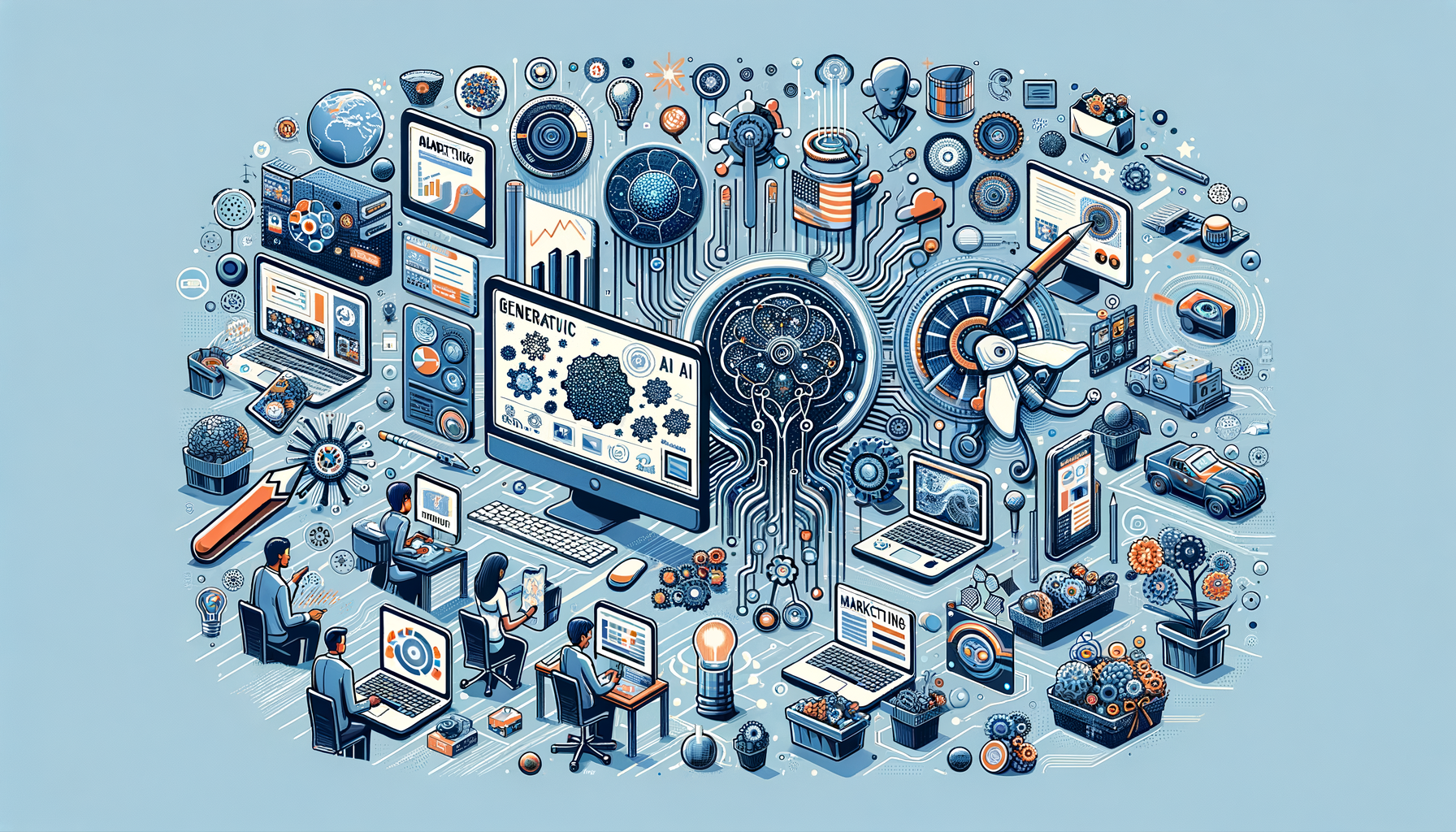
Artificial intelligence (AI) has been transforming industries and businesses in various ways, and one of its most powerful applications is in content creation, design, and marketing. Specifically, generative AI has been gaining traction in these fields, as it allows for the creation of new, unique content and designs at a rapid pace. In this blog post, we will explore how companies are leveraging generative AI for content creation, design, marketing, and more.

Generative AI is a subset of artificial intelligence that involves generating new content, designs, or ideas based on a set of input data. It uses algorithms to analyze and learn from patterns in data and then creates new content or designs that mimic those patterns. This process is often referred to as “generative modeling.”
One of the key benefits of generative AI is its ability to create new and unique content, as opposed to simply analyzing and organizing existing data. This makes it a powerful tool for companies looking to stand out from the competition and engage with their audience in a more personalized way.

Generative AI has revolutionized content creation for companies, particularly in the realm of marketing. With the vast amount of data available, generative AI can analyze and understand consumer behavior, preferences, and trends to create more targeted and effective content.
For instance, clothing brand H&M has been using generative AI to create personalized newsletters for its customers. The AI analyzes customers’ browsing and purchasing behavior to generate unique product recommendations and styling tips for each individual. This has not only improved customer engagement but also increased sales for the company.

Generative AI has also been making waves in the design industry, particularly in graphic design, product design, and architecture. By learning from existing designs and patterns, generative AI can create new and unique designs that align with a company’s brand and style.
One notable example is the design studio, Nervous System, which uses generative AI to create intricate and complex designs for jewelry and home decor products. The AI analyzes the structure of natural elements, such as leaves and crystals, and uses that data to generate unique designs that can be 3D printed. This has allowed the company to produce a wide range of designs at a much faster pace, catering to various customer preferences.
Generative AI has also been a game-changer in the world of marketing. By analyzing consumer data and behavior, it can generate personalized and targeted advertisements that are more likely to resonate with an individual’s interests and needs.
For example, Coca-Cola has been using generative AI to create personalized advertisements for its “Share a Coke” campaign. The AI analyzes data from social media platforms to generate unique images, with individuals’ names incorporated into the design, to promote the idea of sharing a Coke with friends and family. This has not only increased brand engagement but also resulted in a significant increase in sales for the company.

Aside from content creation, design, and marketing, generative AI has also been utilized in various other applications, such as music and video creation, chatbots, and even game development. The music streaming platform, Spotify, has been using generative AI to create personalized playlists for its users, while video game companies have been leveraging it to generate unique game environments and characters.
Furthermore, generative AI has also been used to develop chatbots that can engage with customers in a more human-like manner. This has improved customer service and support for many companies, as chatbots can handle a higher volume of inquiries and provide more personalized responses.
Generative AI has proven to be a valuable tool for companies in content creation, design, marketing, and more. By leveraging this technology, businesses can create new and unique content, designs, and products that resonate with their audience and drive sales. As AI continues to advance, we can expect to see even more innovative and creative uses of generative AI in various industries.