
 Date: Aug 28 2025 - 12:46
- Updated: Sep 29 2025 - 07:47
Date: Aug 28 2025 - 12:46
- Updated: Sep 29 2025 - 07:47
 Category: IT Automation
 Tags: agenticai, AI, Artificial Intelligence, ITautomation
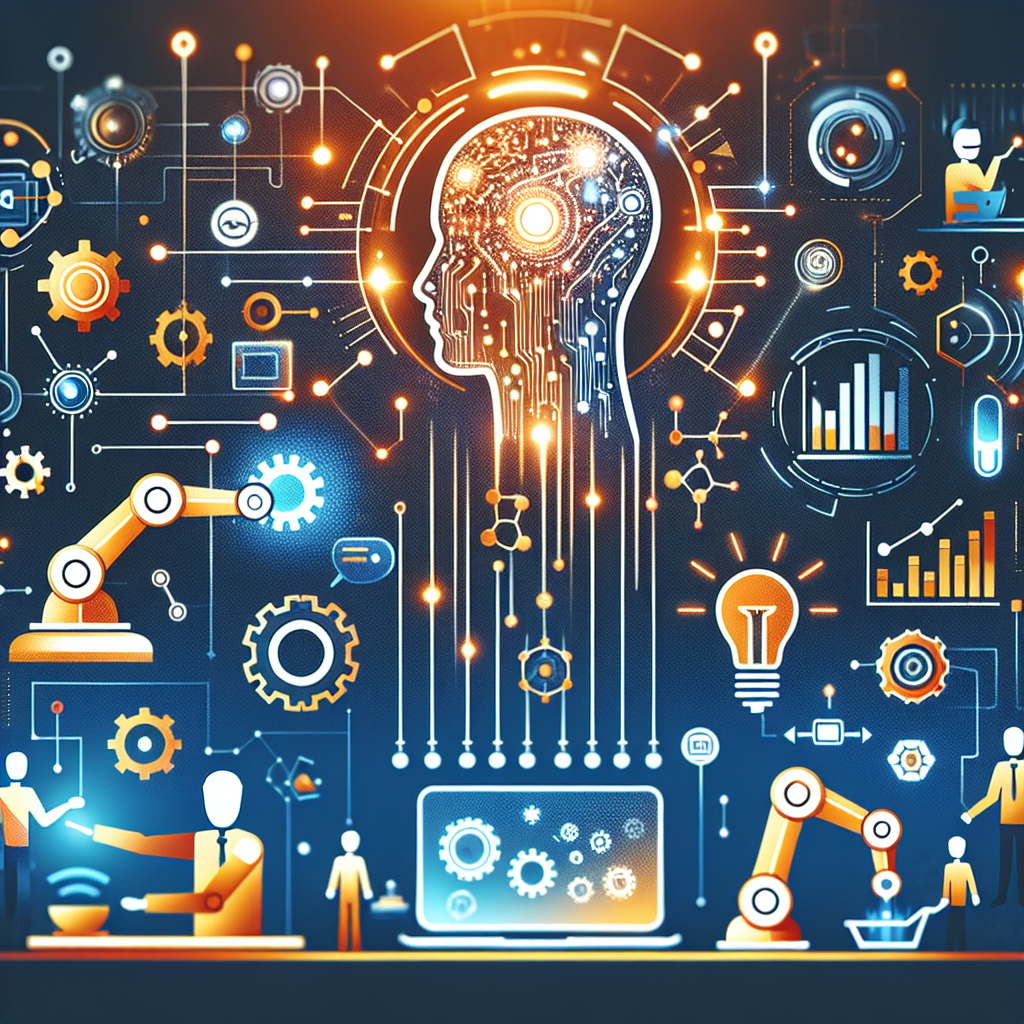
Artificial intelligence (AI) has become a buzzword in the tech industry, with promises of transforming businesses and improving efficiency. One aspect of AI that has gained traction in recent years is agentic AI, specifically in the field of IT automation. This technology has the potential to revolutionize the way IT tasks are performed, but what exactly does it mean and how can businesses get started with it? In this blog post, we will delve into the world of agentic AI in IT automation and explore its benefits and how businesses can incorporate it into their operations.

To understand agentic AI, we first need to break down the term. “Agentic” refers to the ability to act or exert power, and in the context of AI, it means that the AI is capable of taking action and making decisions on its own. This is in contrast to traditional AI, which is more passive and relies on a set of pre-programmed rules and instructions.
Agentic AI is a type of artificial general intelligence (AGI) that is designed to mimic human-like decision-making processes. It involves utilizing advanced algorithms and machine learning techniques to enable AI systems to learn and adapt to new situations. This means that instead of just following a set of rules, agentic AI can analyze data, make predictions, and take actions based on its findings.
The incorporation of agentic AI in IT automation brings numerous benefits, making it an attractive option for businesses. One of the main advantages is the potential for increased efficiency. Traditional IT automation relies on a set of pre-defined rules and is limited to tasks that fall within those rules. Agentic AI, on the other hand, can learn from data and adapt to new situations, allowing it to perform tasks more accurately and efficiently.
Another benefit is the potential for cost savings. By automating IT tasks, businesses can reduce the need for manual labor, resulting in lower operational costs. Additionally, agentic AI can help identify areas where processes can be streamlined, further reducing costs and improving overall efficiency.
The first step to incorporating agentic AI into IT automation is to identify tasks and processes that can benefit from automation. This could include repetitive and time-consuming tasks such as data entry, monitoring and troubleshooting, and software updates. Once these tasks have been identified, the next step is to gather and analyze data. This data will be used to train the agentic AI system and enable it to make decisions and take actions.
Businesses can either develop their own agentic AI system or utilize existing platforms and tools. For those who prefer to develop their own system, it is essential to have a team with a strong background in machine learning and AI. They will be responsible for building and training the system, as well as monitoring its performance and making any necessary adjustments.
On the other hand, businesses can also opt to use existing platforms and tools that offer agentic AI capabilities. These platforms often come with user-friendly interfaces, making it easier for businesses to incorporate agentic AI into their operations without a deep understanding of the technology.
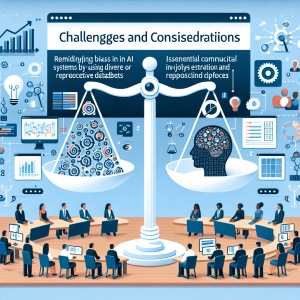
While agentic AI in IT automation has numerous benefits, there are also some challenges and considerations that businesses need to be aware of. One major concern is the potential for biases in the data used to train the AI system. If the data is biased, it can lead to biased decisions and actions by the AI, which can have significant consequences. To avoid this, it is crucial to have a diverse and representative dataset and to regularly monitor and analyze the system’s performance for any signs of bias.
Another consideration is the potential impact on the workforce. As more tasks become automated, there may be a need to retrain or repurpose employees to perform other tasks that require human touch. It is essential to have open communication with employees and involve them in the implementation process to ensure a smooth transition.
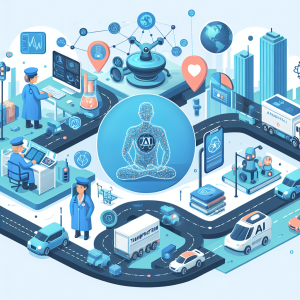
Agentic AI in IT automation is already being utilized by businesses in various industries. For example, in the healthcare sector, agentic AI is being used to analyze medical data and assist with diagnosis and treatment plans.
In the transportation industry, agentic AI is being used to optimize routes and schedules for logistics companies. These are just a few examples of how agentic AI is transforming businesses and improving efficiency.
Agentic AI in IT automation has the potential to revolutionize the way businesses operate, bringing numerous benefits such as increased efficiency and cost savings. While there are challenges and considerations to be aware of, the key is to plan carefully, gather and analyze data, and continuously monitor and adjust the AI system’s performance. As technology advances and more businesses adopt agentic AI, we can expect to see even more innovative use cases and increased efficiency in various industries. So, if you’re looking to stay ahead of the curve and improve your business operations, it’s time to consider incorporating agentic AI into your IT automation strategy.


