
 Date: Aug 29 2025 - 07:28
 Category: IT Automation
 Tags: AI, aisecurity, Artificial Intelligence
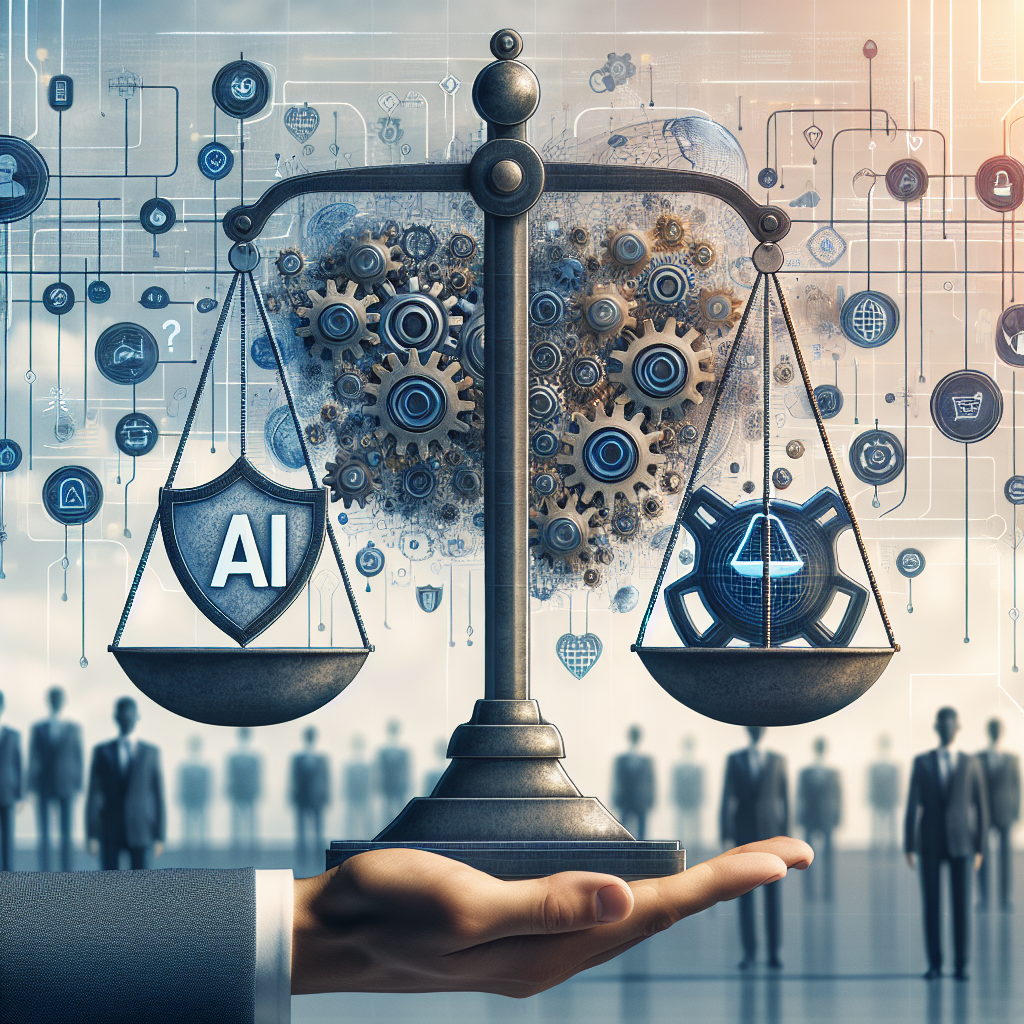
As technology continues to advance and shape our world, the integration of artificial intelligence (AI) in automation has become increasingly prevalent. From self-driving cars to virtual assistants, AI is transforming the way we live and work. However, as with any new technology, there are concerns surrounding its security and potential risks. In this blog post, we will explore the topic of AI security in automation and the importance of balancing innovation with compliance.

Before diving into the complexities of AI security, it is important to have a basic understanding of AI in automation. AI refers to the ability of machines to mimic human intelligence and perform tasks such as problem-solving, decision making, and language translation.
Automation, on the other hand, involves the use of technology to complete tasks without human intervention. When combined, AI and automation can streamline processes, increase efficiency, and reduce costs. However, it also brings about new challenges, particularly in terms of security.

One of the main concerns surrounding AI in automation is the potential for security breaches. As AI systems become more sophisticated, they also become more vulnerable to cyber attacks. For example, hackers could exploit vulnerabilities in AI algorithms to manipulate or steal sensitive data.
Another risk is the potential for AI to make incorrect decisions, either due to biased data or faulty programming. This could have serious consequences, especially in industries such as healthcare or finance where decisions made by AI can greatly impact people’s lives.

To address these risks, governments and regulatory bodies have implemented laws and guidelines for AI security in automation. In the United States, the Federal Trade Commission (FTC) has regulations in place to protect consumer data from AI-driven automated systems.
Similarly, the European Union’s General Data Protection Regulation (GDPR) sets strict guidelines for the handling of personal data and imposes hefty fines for non-compliance. These regulations not only protect the privacy and security of individuals but also hold companies accountable for their use of AI in automation.
While regulations are essential for ensuring the safety and security of AI in automation, they can also hinder innovation. Startups and small businesses may struggle to comply with complex regulations, limiting their ability to develop and implement AI-driven technologies. Therefore, it is crucial to strike a balance between innovation and compliance.
This can be achieved by involving regulators in the development process of AI systems and creating industry-wide standards and best practices. Additionally, companies can prioritize security and compliance by regularly conducting risk assessments, implementing proper security measures, and providing training for employees.

As AI continues to advance and become more integrated into our daily lives, the need for robust security measures will only increase. It is essential for companies to stay up-to-date with the latest security technologies and continuously assess and improve their AI systems.
Additionally, collaboration between governments, regulatory bodies, and businesses is crucial in developing and implementing effective security regulations for AI in automation.
In conclusion, AI in automation has the potential to revolutionize industries and improve our lives. However, it also brings about new security challenges that must be addressed. By understanding the risks, complying with regulations, and finding a balance between innovation and compliance, we can harness the full potential of AI while ensuring its security. As we continue to advance technologically, it is important to prioritize the safety and security of AI in automation to create a better and more secure future for all.


