
 Date: Aug 04 2025 - 07:10
 Category: Data Center
 Tags: cybersecurity, datacenter, multitenantdatacenter
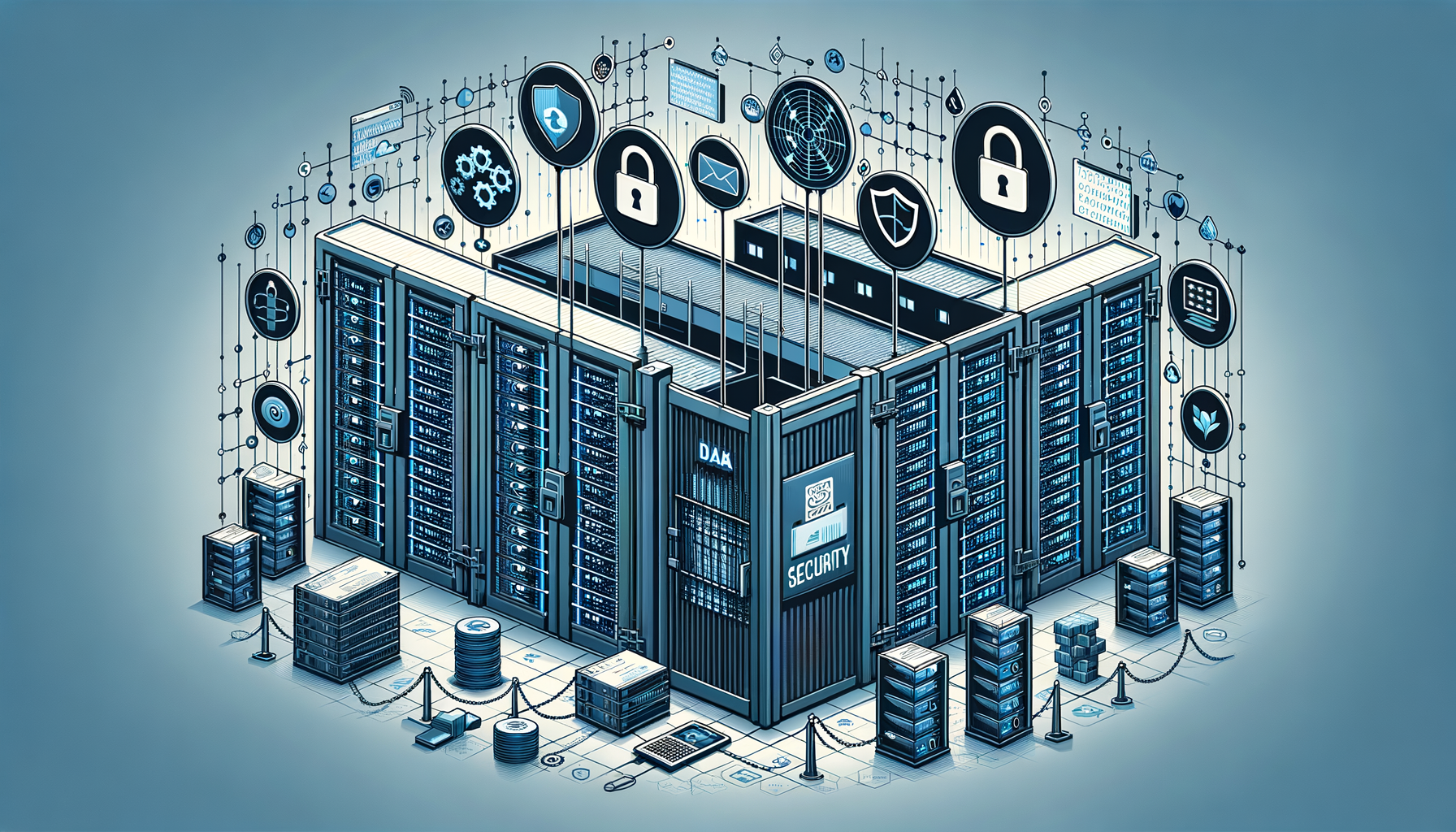
In today’s digital age, data is the lifeblood of any organization. With the rise of cloud computing and the increasing dependence on technology, data centers have become a crucial aspect of business operations. However, with the growing number of threats and cyber attacks, ensuring the security of data centers has become a top priority for organizations. This is especially important for multi-tenant data centers, where multiple clients share the same physical infrastructure and resources. In this blog post, we will discuss the best practices for cybersecurity in multi-tenant data centers.
Before delving into the best practices for cybersecurity, it is essential to understand what multi-tenant data centers are. Multi-tenant data centers are facilities that house multiple clients’ computing and networking resources in a shared environment.
Each client has their own virtual space, but the physical infrastructure, such as servers, storage, and networking equipment, is shared among different clients. This sharing of resources allows for cost savings and efficient use of resources. However, it also presents unique security challenges, as one client’s actions can potentially impact the security of another client’s data.
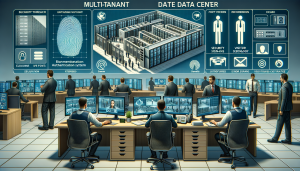
The first line of defense for any data center is physical security. In a multi-tenant data center, it is essential to have strict access control measures in place to prevent unauthorized access.
This includes implementing measures such as biometric authentication, CCTV surveillance, and restricted access to the data center floor. It is also crucial to have a visitor management system in place to monitor and track who enters and leaves the data center. Physical security measures not only prevent physical theft of equipment but also protect against insider threats.

Network security is critical in multi-tenant data centers, as all clients share the same network infrastructure. This makes it easier for hackers to gain access to sensitive information if proper security measures are not in place.
The first step in securing the network is to have a well-defined network architecture, with clearly defined zones and boundaries for each client. This ensures that one client’s data cannot be accessed by another client. Network segmentation is also necessary to prevent lateral movement of threats within the data center.
It is also crucial to have a robust firewall in place to monitor and control network traffic. Firewalls act as a barrier between the internal network and the outside world, filtering out any malicious traffic. In addition to firewalls, implementing intrusion detection and prevention systems can help identify and stop any potential threats before they can cause harm.
Encryption is a critical aspect of data security in multi-tenant data centers. All data, whether at rest or in transit, should be encrypted to prevent unauthorized access. This includes both client data and management data. Encryption ensures that even if a hacker manages to gain access to the data, they will not be able to decipher it without the encryption key.
Another important aspect of data security is access controls. It is essential to have strict access controls in place to ensure that only authorized personnel can access sensitive information. This includes implementing role-based access controls, where users are granted access based on their job roles and responsibilities. It is also important to regularly review and audit access controls to ensure that they remain up-to-date.

Regular vulnerability assessments and penetration testing are crucial in identifying and addressing any potential weaknesses in the data center’s security. Vulnerability assessments involve scanning the network and systems for any known vulnerabilities and addressing them before they can be exploited. Penetration testing, on the other hand, simulates a real-world cyber attack to test the effectiveness of the data center’s security measures.
It is essential to conduct these assessments and tests regularly, as new vulnerabilities and threats emerge constantly. This ensures that the data center’s security remains up-to-date and can adapt to new threats.
In conclusion, the security of multi-tenant data centers is of utmost importance in today’s digital landscape. By implementing strong physical security measures, robust network security, encryption, access controls, and conducting regular vulnerability assessments and penetration testing, organizations can ensure the safety of their data in multi-tenant data centers. It is also essential to stay up-to-date with the latest security trends and continuously review and update security measures to keep data centers secure. By following these best practices, organizations can have peace of mind knowing that their data is safe in multi-tenant data centers.


