
 Date: Aug 11 2025 - 11:11
 Category: Computer worms
 Tags: cybersecurity, hybridwork, remotework
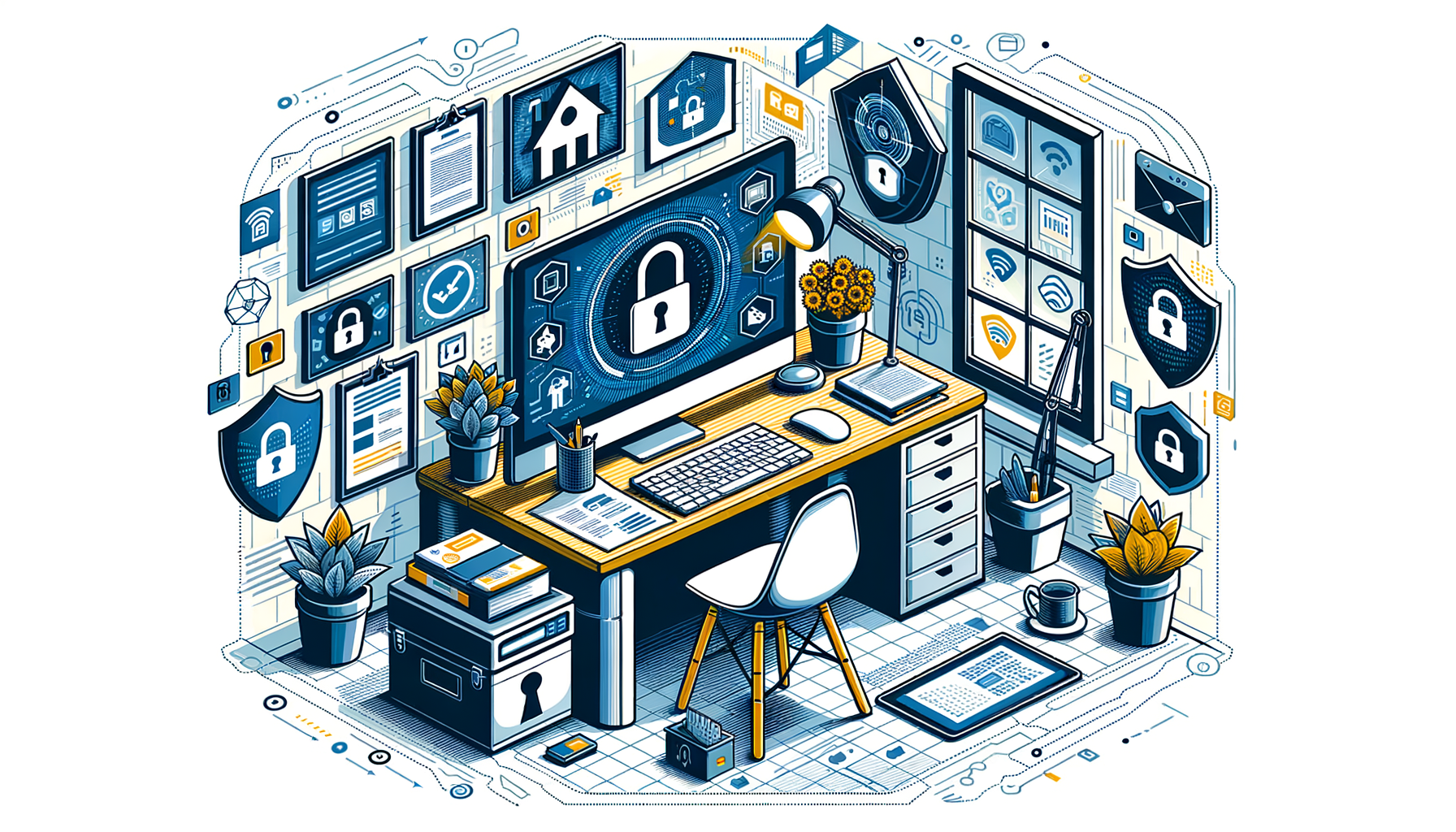
In the past year, the world has seen a major shift in the way we work. Due to the COVID-19 pandemic, many companies have adopted remote and hybrid work models, allowing employees to work from home or a combination of home and office. While this has brought about many benefits, it has also raised concerns about cybersecurity. With employees accessing company networks and sensitive data from their personal devices and home networks, it is crucial for companies to have strong cybersecurity measures in place. In this blog post, we will discuss the importance of cybersecurity for remote and hybrid workforces and provide tips for companies and employees to stay safe.
The rise of remote and hybrid work has increased the risk of cyber attacks for companies. With employees working from home, company data is now being accessed from various locations and devices, making it more vulnerable to threats.
Additionally, home networks are often less secure than office networks, making them easier targets for hackers. Furthermore, employees may not have the same level of cybersecurity training and awareness as they would in the office, making them more susceptible to falling for phishing scams or other social engineering tactics.
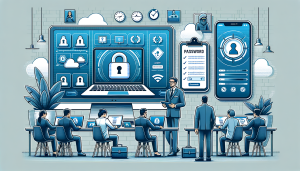
One of the first steps companies should take to ensure cybersecurity for remote and hybrid workforces is to secure their devices. This includes providing employees with company laptops or other devices that are equipped with the necessary security software and protocols.
Companies should also enforce strong password policies and require employees to use multi-factor authentication when logging into company systems. In the event of a lost or stolen device, companies should have a protocol in place to remotely wipe the device and protect sensitive data.

Since employees are accessing company networks and data from their home networks, it is important for companies to ensure that these networks are secure. This can be achieved by providing employees with a virtual private network (VPN) to connect to the company network.
A VPN encrypts the data being transmitted, making it more difficult for hackers to intercept. Companies should also encourage employees to secure their home Wi-Fi networks with a strong password and enable network encryption.
As mentioned earlier, employees may not have the same level of cybersecurity training and awareness while working remotely. This makes them easy targets for cyber attacks such as phishing scams, where hackers trick individuals into revealing sensitive information.
Companies should provide regular training and education to employees on cybersecurity best practices, such as identifying and reporting suspicious emails, creating strong passwords, and avoiding public Wi-Fi networks. This will help employees stay vigilant and protect themselves and the company from potential cyber threats.
Regularly updating software and systems is crucial for maintaining strong cybersecurity. Companies should ensure that all company devices have the latest security patches and updates installed to protect against known vulnerabilities.
It is also important to regularly back up company data to a secure location. This will ensure that in the event of a cyber attack or data breach, the company can recover important information without experiencing significant downtime or loss of data.
In today’s digital age, cybersecurity is a top priority for companies of all sizes. With the rise of remote and hybrid workforces, it is important for companies to adapt their cybersecurity measures to protect their data and systems. By securing devices and home networks, providing regular training and updates, and implementing strong security protocols, companies can mitigate the risks of cyber attacks and create a secure remote and hybrid work environment for their employees. As we continue to navigate the challenges of remote and hybrid work, it is crucial for companies to prioritize cybersecurity to ensure the safety and success of their business.


