
 Date: Sep 02 2025 - 05:05
- Updated: Sep 02 2025 - 06:32
Date: Sep 02 2025 - 05:05
- Updated: Sep 02 2025 - 06:32
 Category: Data Control
 Tags: datacompliance, datacontrol

In today’s digital world, data is a valuable asset for businesses. From customer information to financial records, data plays a crucial role in decision-making and driving growth. However, with the increasing use of technology and data, there is also a growing concern for data governance and compliance. So, what exactly is data governance and compliance, and why is it essential for businesses? Let’s dive in and find out.

Data governance is the process of managing, organizing, and controlling data to ensure its quality, security, and privacy. It involves creating policies, procedures, and standards for data management, as well as assigning roles and responsibilities for data handling within an organization.
The main goal of data governance is to ensure that data is accurate, consistent, and accessible to authorized users. It also helps to mitigate risks associated with data, such as data breaches and compliance violations. Data governance is an ongoing process that requires continuous monitoring and updates to keep up with the ever-changing data landscape.

Data governance is crucial for businesses for several reasons. Firstly, it helps to maintain the integrity of data. With proper data governance in place, businesses can ensure that their data is accurate, consistent, and reliable. This is especially important for decision-making processes, as inaccurate or incomplete data can lead to incorrect conclusions.
Secondly, data governance also addresses data security and privacy concerns. With the increasing number of data breaches and cyber threats, it is essential for businesses to have measures in place to protect their data. Data governance helps to identify potential risks and implement security measures to prevent data breaches.
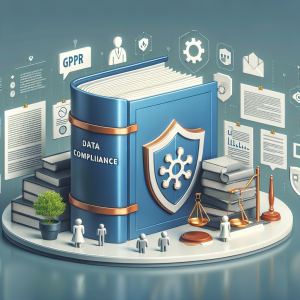
Data compliance refers to adhering to legal and regulatory requirements related to data. Depending on the industry and location, businesses may be subject to various regulations, such as the General Data Protection Regulation (GDPR) in Europe or the Health Insurance Portability and Accountability Act (HIPAA) in the United States.
Data compliance is essential to protect the privacy and rights of individuals whose data is being collected and used by businesses. It also helps to maintain trust and credibility with customers, as well as avoid potential legal consequences.
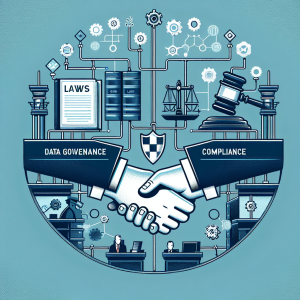
Data governance and compliance go hand in hand. While data governance focuses on the management and control of data, compliance ensures that businesses are following the necessary laws and regulations related to data. Without proper data governance, it is challenging to achieve data compliance, and vice versa.
Data governance provides the framework and structure for businesses to ensure compliance. It helps to identify and classify data based on its sensitivity, establish data retention policies, and monitor data usage to prevent any potential compliance violations. On the other hand, compliance requirements also contribute to the data governance process by setting guidelines and standards for data management.

Now that we understand the importance of data governance and compliance let’s look at some best practices that businesses can follow to ensure effective data management and compliance.
– Develop a data governance plan: The first step to achieving effective data governance and compliance is to create a plan. This plan should outline the objectives, policies, and procedures for data management, as well as identify key stakeholders and their roles and responsibilities.
– Classify and prioritize data: Not all data is created equal, and it is crucial to classify and prioritize data based on its sensitivity and importance. This will help to determine the level of security and compliance measures needed for each type of data.
– Regularly audit and update policies: Data governance and compliance are not one-time tasks. It requires continuous monitoring and updates to keep up with the changing data landscape and compliance requirements. Regularly auditing and updating policies and procedures will help to ensure that businesses are following the latest standards and regulations.
– Train employees: Employees play a significant role in data governance and compliance. It is essential to train them on the policies and procedures for data handling, as well as the importance of data security and privacy. Regular training can also help to prevent human errors that may lead to non-compliance.
Data governance and compliance are critical for businesses to ensure the integrity, security, and privacy of their data. With the increasing amount of data being collected and used, it is essential to have proper measures in place to manage and protect it. By understanding the relationship between data governance and compliance and following best practices, businesses can achieve effective data management and compliance, leading to better decision-making and improved trust with customers.


