
 Date: Jul 30 2025 - 12:52
- Updated: Jul 30 2025 - 12:56
Date: Jul 30 2025 - 12:52
- Updated: Jul 30 2025 - 12:56
 Category: 5G
 Tags: 5G, Edgecomputing
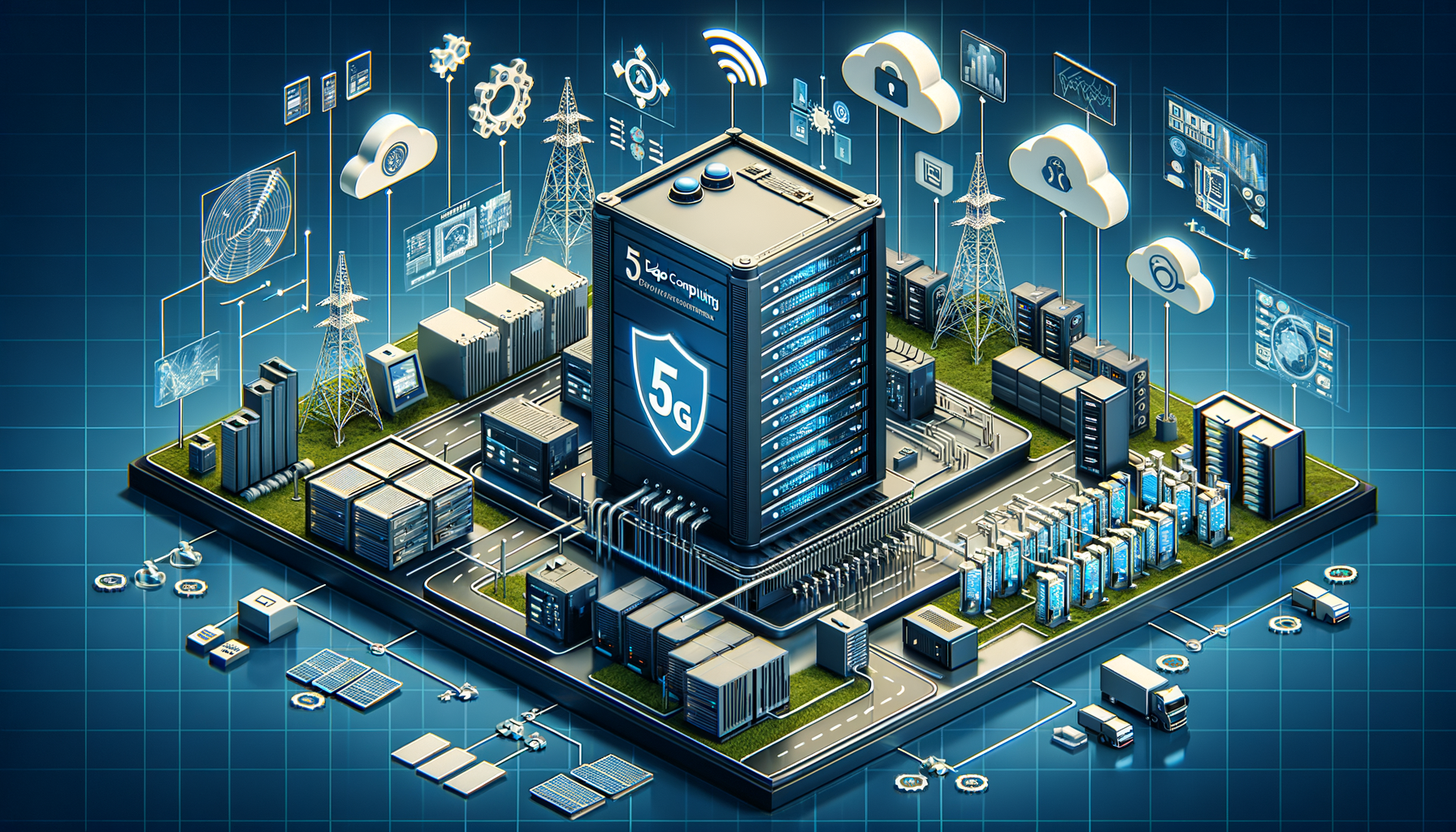
In the world of technology, advancements are constantly being made to improve the efficiency and speed of data processing. One such advancement is the combination of edge computing and 5G technology. This powerful duo has the potential to revolutionize the way data is handled, especially for businesses. As an IT leader, it is important to understand the technical aspects of deploying edge computing with 5G. In this blog, we will provide a comprehensive guide for IT leaders on how to successfully deploy edge computing with 5G.
 Before we dive into the technical aspects, let’s first understand what edge computing and 5G technology are. Edge computing is a distributed computing paradigm that brings computation and data storage closer to the location where it is needed. This reduces the distance data needs to travel, resulting in faster processing and reduced latency.
5G, on the other hand, is the latest generation of cellular network technology that promises faster data transfer speeds, higher bandwidth, and lower latency. It is designed to handle massive amounts of data and enable real-time communication between devices.
 The combination of edge computing and 5G technology offers several benefits for businesses. Firstly, it allows for faster data processing and reduced latency, which is crucial for real-time applications such as self-driving cars and smart factories.
Secondly, it enables businesses to handle massive amounts of data without overloading their networks. Thirdly, it reduces the cost of data storage as edge computing allows for data to be processed and stored locally, rather than in a centralized location. Lastly, it improves the overall user experience by providing seamless connectivity and faster response times.
Now that we understand the benefits, let’s delve into the technical aspects of deploying edge computing with 5G. The first step is to ensure that your infrastructure is capable of handling the increased data load. This includes upgrading your network equipment and ensuring that you have sufficient bandwidth. Additionally, you will need to have edge computing servers in place at strategic locations to process and store data.
Another important consideration is security. With data being processed and stored at the edge, it is crucial to have robust security measures in place to protect sensitive information. This includes implementing firewalls, encryption, and access controls.
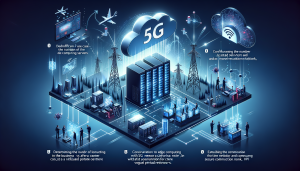 Integrating edge computing with 5G networks requires careful planning and coordination. The first step is to identify the use case for your business. This will help determine the location and number of edge computing servers needed. Once the servers are in place, they need to be connected to the 5G network through a high-speed link.
Next, you will need to configure the servers to communicate with each other and with the central data center. This involves setting up a virtual private network (VPN) and establishing secure communication protocols. It is important to regularly monitor and maintain these connections to ensure optimal performance.
 While the benefits of deploying edge computing with 5G are significant, there are also challenges that need to be addressed. One major challenge is the complexity of managing a distributed infrastructure. This can be addressed by implementing automation tools that can monitor and manage the different components of the infrastructure.
Another challenge is the cost of implementing and maintaining edge computing servers. To mitigate this, businesses can consider using cloud-based edge computing services, which offer a pay-as-you-go model and reduce the need for physical infrastructure.
In conclusion, deploying edge computing with 5G is a game-changer for businesses, providing faster data processing, reduced latency, and improved user experience. As an IT leader, it is important to understand the technical considerations and challenges involved in deploying this technology. By following the technical guide outlined in this blog, businesses can successfully integrate edge computing with 5G networks and reap its numerous benefits. So, don’t wait any longer, start planning for the future of edge computing and 5G now!


