
 Date: Sep 30 2025 - 12:06
 Category: Nvidia
 Tags: AI, Artificial Intelligence, Nvidia, robotics
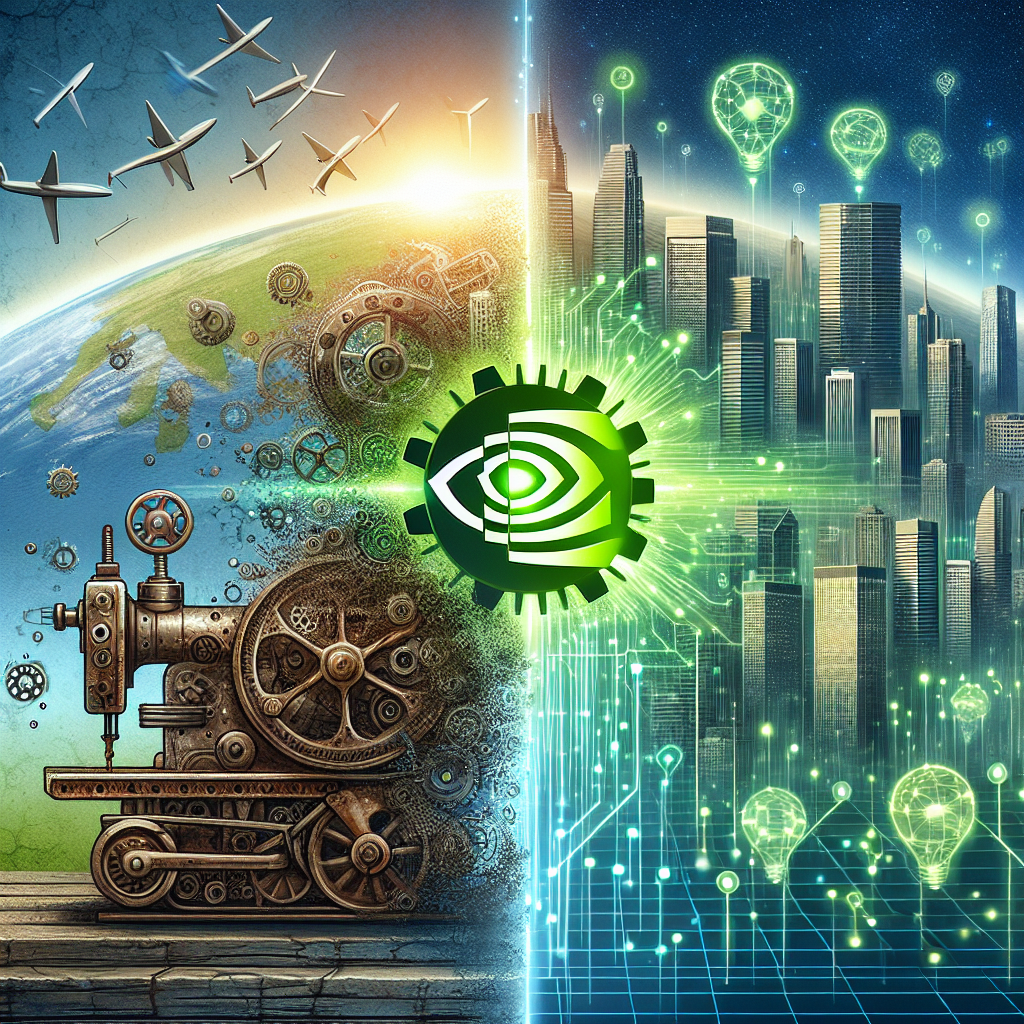
The world is rapidly changing, and technology is at the forefront of this change. From the Industrial Revolution to the rise of the digital era, machines have been continuously evolving to improve our daily lives. Now, with the rise of digital twins and robotics, we are witnessing another revolution in the making – the transformation of cities into smart cities. And at the heart of this transformation is NVIDIA.

To understand how NVIDIA is shaping the future of smart cities, we must first understand what digital twins and robotics are. Digital twins are virtual replicas of physical objects, processes, or systems.
They use real-time data, sensors, and analytics to create a digital representation of the physical world. Robotics, on the other hand, are machines that can be programmed to carry out specific tasks autonomously. These two technologies are revolutionizing the way we interact with the world around us.

One of the key areas where digital twins and robotics are making a significant impact is in manufacturing. With NVIDIA’s advanced artificial intelligence (AI) and machine learning (ML) techniques, digital twins are being used to simulate and optimize manufacturing processes.
This enables manufacturers to identify potential problems and make necessary adjustments before they arise, resulting in increased efficiency and cost savings.

But the impact of digital twins and robotics is not limited to manufacturing alone. The use of digital twins in smart cities is transforming the way we design, build, and manage our urban environments.
By creating a virtual representation of a city, planners and architects can test different scenarios and make informed decisions to improve the city’s infrastructure, energy efficiency, and overall livability.

In addition to digital twins, robotics are also playing a vital role in shaping the future of smart cities. With the rise of autonomous vehicles, drones, and delivery robots, cities are becoming more connected and efficient.
NVIDIA’s advanced AI and ML technologies are powering these robots, enabling them to navigate through cities, avoid obstacles, and make real-time decisions. This not only improves the efficiency of transportation and delivery but also reduces the risk of human error.
NVIDIA’s impact on smart cities goes beyond just digital twins and robotics. Their GPUs and software are also being used to power smart cameras, which are essential for public safety and security in cities.
These cameras use AI and ML to recognize and analyze patterns in real-time, providing valuable insights to law enforcement and city officials. This not only helps in preventing and solving crimes but also improves emergency response times.
In conclusion, NVIDIA is at the forefront of the digital transformation of cities into smart cities. Through their advanced technologies, such as digital twins, robotics, and smart cameras, they are making our cities more connected, efficient, and sustainable. As we move towards a more technologically advanced future, it is clear that NVIDIA’s innovations will continue to play a crucial role in shaping the cities of tomorrow.


