 Date: Apr 01 2026 - 12:24
 Category: Edge AI Chips & Hardware Innovations
 Tags: AI, CPU, EdgAisystems, EdgeAI, GPU, NPU
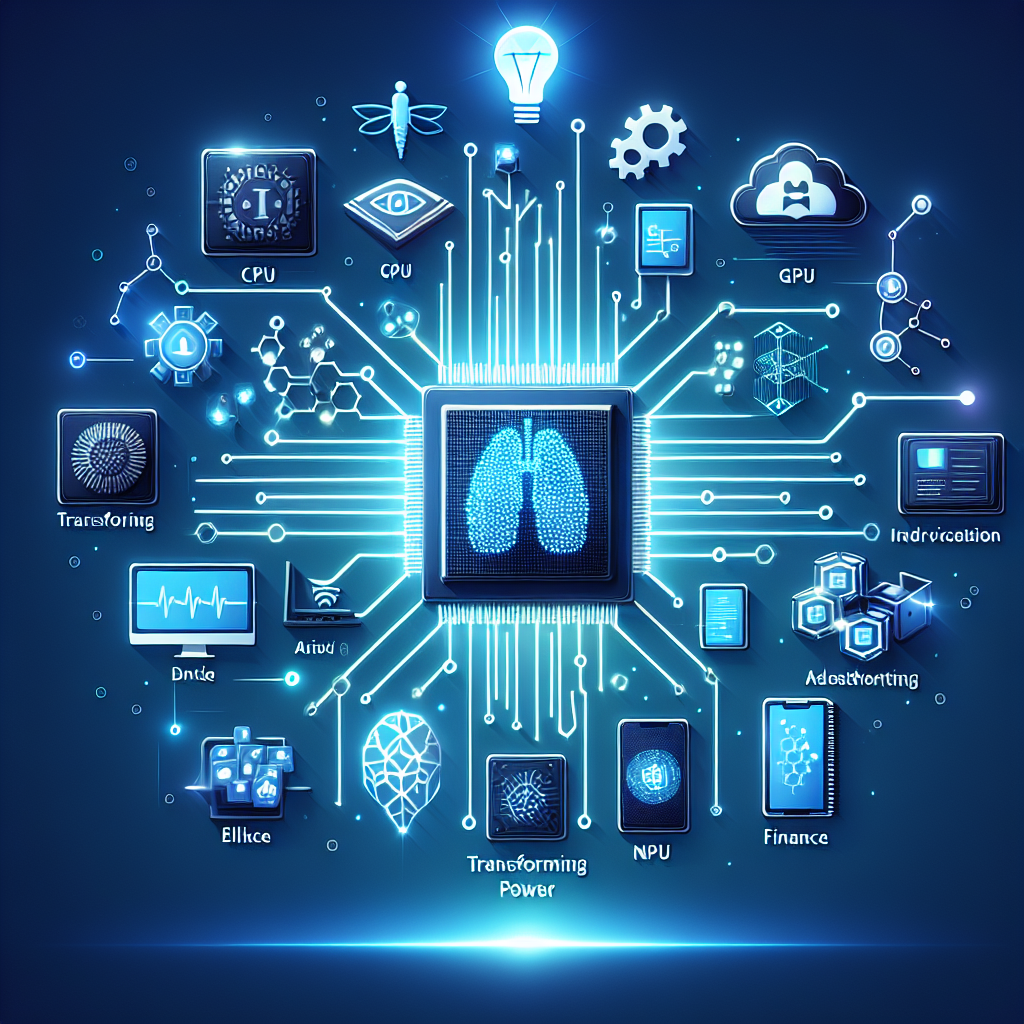
Artificial intelligence (AI) is transforming various industries, from healthcare to finance, by enabling machines to perform complex tasks that were previously only achievable by humans. As the demand for AI-driven solutions continues to grow, so does the need for advanced hardware to support it. One of the most crucial components of AI systems is the processing unit, and in recent years, heterogeneous edge AI systems have emerged as the go-to solution.
These systems integrate multiple processing units, such as central processing units (CPU), graphics processing units (GPU), and neural processing units (NPU), to deliver powerful and efficient AI capabilities. In this blog post, we will explore the concept of heterogeneous edge AI systems and how they integrate different processing units to achieve optimal performance.
Edge AI systems refer to AI solutions that can process data directly on the device, without the need for cloud computing. This allows for faster processing, reduced latency, and increased privacy, making it ideal for applications that require real-time decision-making.
These systems are often used in devices such as smartphones, cameras, and sensors, where data needs to be processed quickly and efficiently. However, with AI becoming more complex and demanding, traditional edge AI systems are no longer sufficient. This is where heterogeneous edge AI systems come into play.
Before we dive into heterogeneous edge AI systems, let’s briefly understand the three processing units that are commonly integrated into these systems.
 />
/>As AI applications become more complex and demanding, the need for specialized processors, such as GPUs and NPUs, has become crucial. While CPUs can handle basic AI tasks, they are not optimized for handling large datasets and complex calculations.
On the other hand, GPUs and NPUs are highly efficient in performing these tasks, but they lack the flexibility of CPUs. This is where heterogeneous edge AI systems come in, as they can integrate multiple processing units to achieve the best of both worlds.
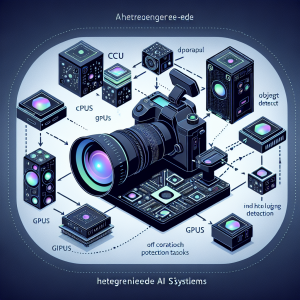
Heterogeneous edge AI systems work by dividing the workload between different processing units based on their strengths. CPUs are responsible for managing the overall system, handling the operating system and basic tasks, while GPUs and NPUs are used for processing complex AI algorithms. This allows for efficient use of resources and can significantly improve the performance of AI applications.
For example, let’s say you have an AI-powered camera that uses object detection to identify and track objects in real-time. The camera’s CPU will handle tasks such as managing the system, capturing images, and basic image processing. However, the object detection task will be offloaded to the GPU or NPU, which can perform the calculations much faster and more accurately. This results in faster and more efficient object detection, providing a better user experience.
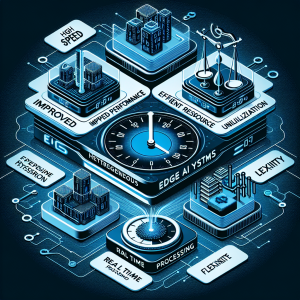
There are several benefits of using heterogeneous edge AI systems, including:
Heterogeneous edge AI systems are revolutionizing the way we approach AI applications by integrating different processing units to achieve optimal performance. By combining the strengths of CPUs, GPUs, and NPUs, these systems can handle complex tasks efficiently, providing faster and more accurate results. As AI continues to advance, we can expect to see more widespread adoption of heterogeneous edge AI systems in various industries, enabling machines to perform even more complex tasks.