
 Date: Jul 31 2025 - 06:59
- Updated: Jul 31 2025 - 07:02
Date: Jul 31 2025 - 06:59
- Updated: Jul 31 2025 - 07:02
 Category: 5G
 Tags: 5G, internetofthings, IOT
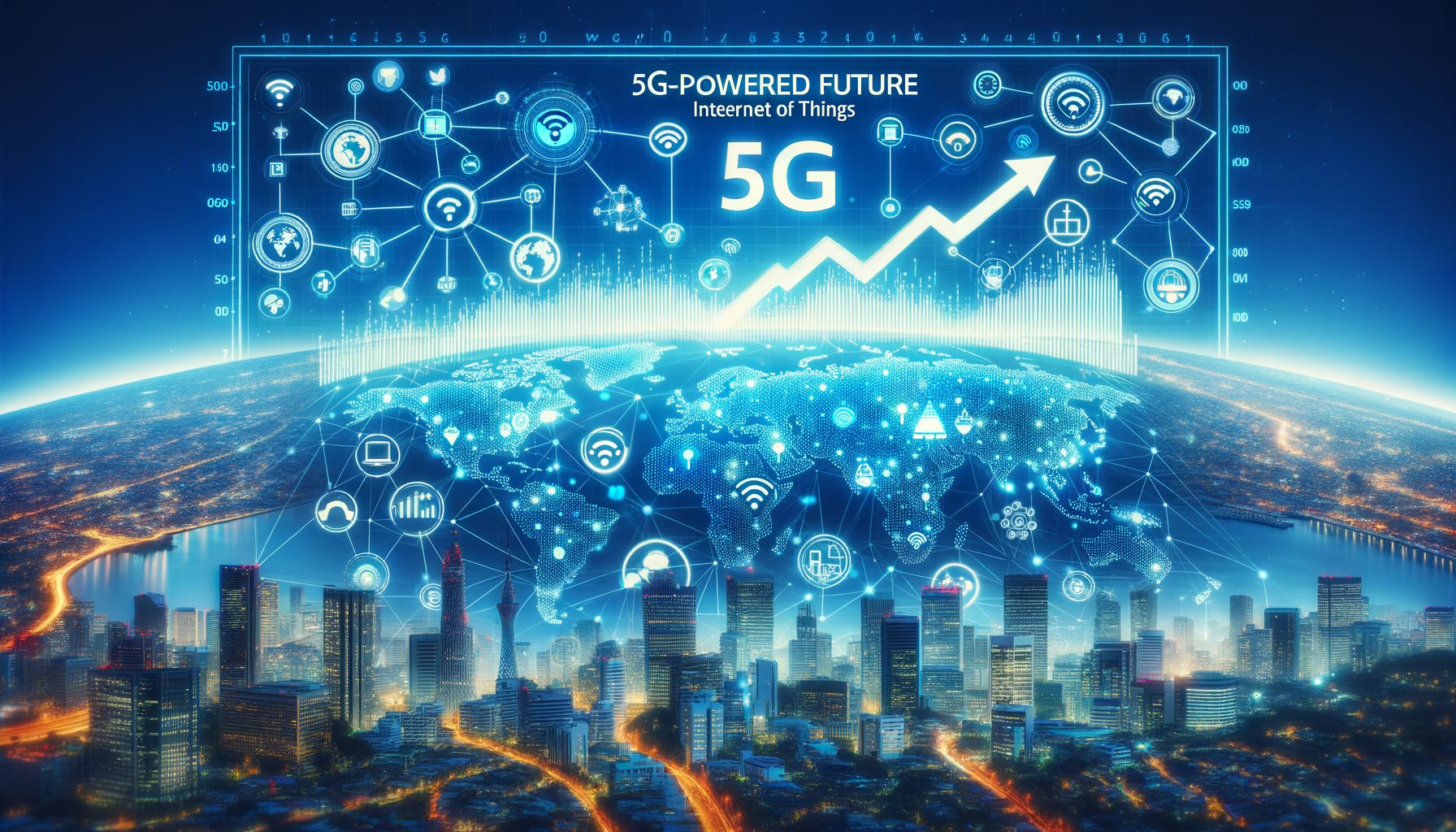
In today’s interconnected world, the Internet of Things (IoT) has become an integral part of our daily lives. From smart homes to wearable devices, IoT has revolutionized the way we interact with technology. And with the introduction of 5G technology, the potential for IoT devices has reached a whole new level. In this blog post, we will explore how 5G is powering the next generation of IoT devices and the impact it will have on our lives.
 5G, or the fifth generation of wireless technology, is the latest and fastest form of cellular network. It is the successor to 4G and offers significantly higher data transfer speeds, lower latency, and greater capacity.
With 5G, data can be transmitted at speeds up to 20 times faster than 4G, reaching up to 20 gigabits per second.
 The introduction of 5G will bring a multitude of benefits for IoT devices. One of the most significant advantages is the increased data transfer speeds. With faster speeds, IoT devices can transmit and receive data in real-time, enabling them to operate more efficiently and effectively. This will be particularly beneficial for devices that require quick response times, such as self-driving cars and industrial IoT devices.
Moreover, 5G also offers lower latency, which is the time it takes for data to travel from one point to another. This means that IoT devices can communicate with each other and the cloud almost instantaneously. This will be crucial for applications like remote surgery and real-time monitoring, where even the slightest delay can have severe consequences.
Another significant advantage of 5G for IoT is its improved connectivity and coverage. With 5G, more devices can connect to the network simultaneously, making it ideal for large-scale IoT deployments. Additionally, 5G uses higher frequency bands, allowing it to cover a wider area with fewer base stations.
This means that more remote and rural areas can now have access to high-speed internet, making it easier to connect IoT devices.
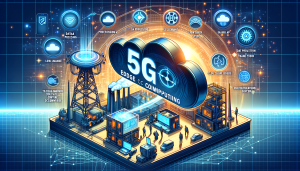 Edge computing is a technology that enables data processing to be done closer to the source, rather than sending it to a centralized cloud server. This is particularly useful for IoT devices that generate large amounts of data.
With 5G’s low latency and high data transfer speeds, edge computing becomes more feasible, as data can be processed and analyzed in real-time. This will significantly reduce the load on the network and cloud servers, making IoT devices more efficient and cost-effective.
 The combination of 5G and IoT has the potential to transform various industries and make our lives more convenient. With the increased speed and connectivity, we can expect to see more advanced and intelligent IoT devices.For instance, smart homes will be able to operate more seamlessly, with devices communicating with each other and adjusting settings in real-time. Industrial IoT devices will also see significant improvements, with factories and warehouses becoming more automated and efficient.
Moreover, the introduction of 5G will pave the way for new applications and use cases of IoT. For example, with the low latency and high bandwidth, we can expect to see advancements in virtual and augmented reality, making them more accessible and interactive. 5G will also play a crucial role in the development of smart cities and autonomous vehicles, making our cities more connected and livable.
In conclusion, 5G is set to revolutionize the world of IoT, bringing faster speeds, lower latency, and improved connectivity. With its introduction, we can expect to see a significant increase in the number and capabilities of IoT devices, leading to a more connected and efficient world. As 5G continues to roll out globally, we can look forward to a future powered by the next generation of IoT devices.


