
 Date: Jul 31 2025 - 07:39
 Category: 5G
 Tags: 5G, enterprisenetwork, enterprisenetworkarchitecture, network
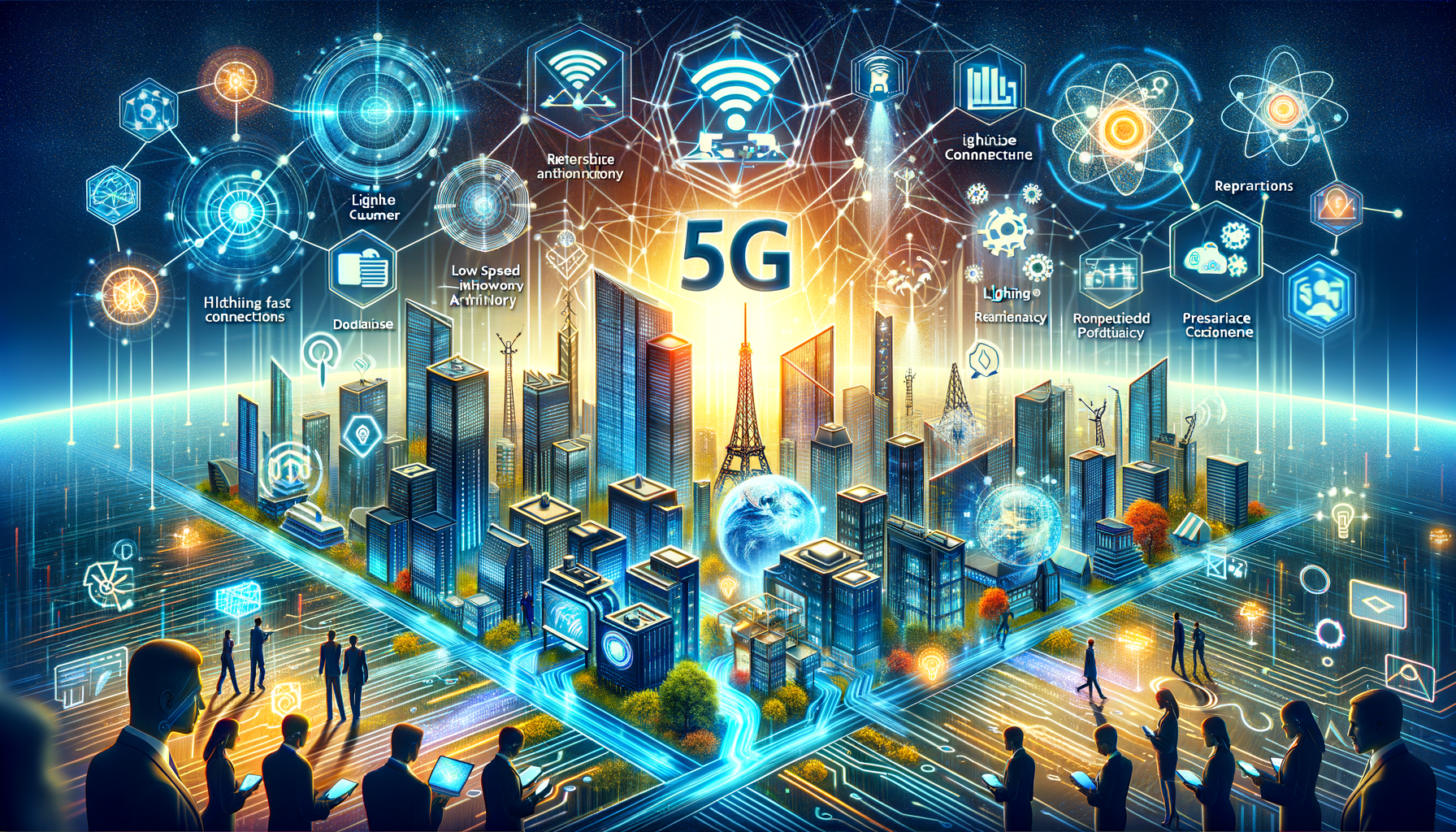
In today’s digital age, businesses rely heavily on technology to stay competitive and meet the ever-changing demands of their customers. As technology continues to advance, the need for faster and more reliable network connectivity has become crucial for enterprises. This is where 5G technology comes in. The fifth generation of wireless technology, 5G, is not just a faster version of its predecessors but a complete game-changer for enterprise network architecture. In this blog post, we will explore how 5G is reshaping enterprise network architecture and the benefits it brings to businesses.
 Before we delve into how 5G is reshaping enterprise network architecture, let’s first understand what 5G technology is. 5G is the next generation of wireless technology that promises to bring lightning-fast internet speeds, low latency, and massive connectivity.
It operates on a higher frequency spectrum than 4G, allowing for more data to be transmitted at a faster rate. This means that with 5G, businesses can enjoy faster download and upload speeds, reduced network congestion, and improved network reliability.
 The introduction of 5G technology has a significant impact on enterprise network architecture. With its faster speeds and low latency, 5G is enabling businesses to leverage new technologies such as the Internet of Things (IoT), artificial intelligence (AI), and machine learning (ML).
These technologies require a high-speed and reliable network to function effectively, and 5G provides just that. This means that businesses can now implement advanced technologies to improve their operations and enhance the overall customer experience.
One of the key benefits of 5G technology is its ability to support network edge computing. Edge computing is a distributed computing model that brings data processing closer to the source, reducing latency and improving network performance.
With 5G, businesses can now process data in real-time at the edge of the network, allowing for faster decision-making and improved efficiency. This is especially beneficial for businesses that rely on real-time data processing, such as autonomous vehicles, smart factories, and remote healthcare.
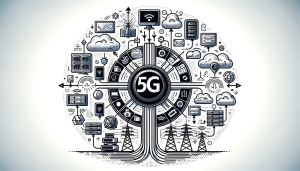 5G technology is also reshaping enterprise network architecture through virtualization and software-defined networking (SDN). With 5G, businesses can now virtualize their network infrastructure, making it more flexible and scalable.
This means that businesses can easily add or remove network resources as needed, reducing costs and improving network agility. Additionally, SDN allows for centralized network management, making it easier for businesses to control and monitor their networks.
 Network security is a top priority for businesses, and 5G is helping to enhance network security in several ways. With 5G, businesses can implement network slicing, which allows for the creation of multiple virtual networks within a single physical network.
This means that businesses can have a dedicated network slice for sensitive data, ensuring that it is kept separate and secure from other network traffic. 5G also offers improved encryption methods, making it more challenging for cybercriminals to access sensitive data.
5G technology is undoubtedly reshaping enterprise network architecture and bringing numerous benefits to businesses. With its faster speeds, low latency, and support for advanced technologies, 5G is enabling businesses to improve their operations, increase efficiency, and enhance the overall customer experience. It is essential for businesses to start preparing for the implementation of 5G in their network architecture to stay ahead of the game and remain competitive in today’s rapidly evolving digital landscape.


