
 Date: Sep 02 2025 - 06:46
 Category: IT Automation
 Tags: IT, ITautomation
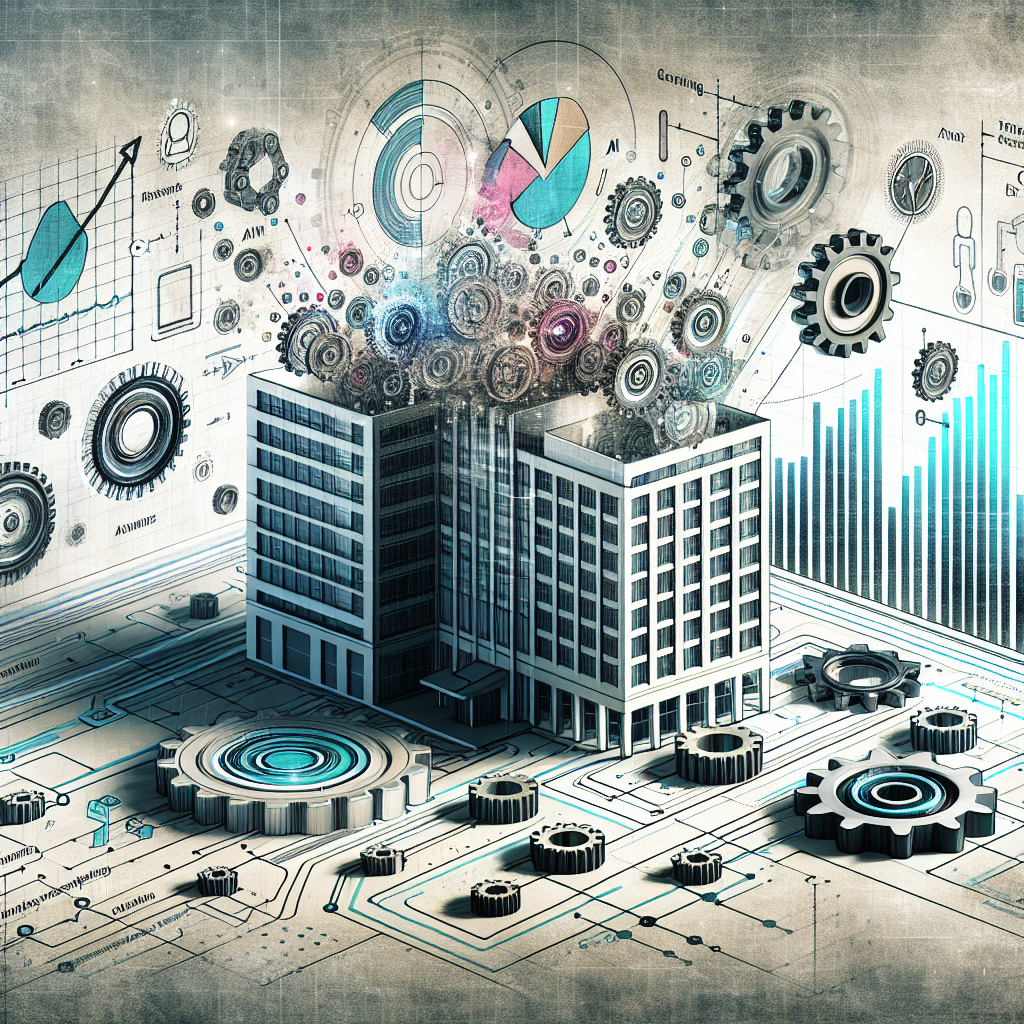
In today’s rapidly advancing technological landscape, the need for automation in the IT industry has become more pressing than ever before. With the rise of artificial intelligence and machine learning, enterprises are constantly looking for ways to streamline their processes, reduce costs, and increase efficiency. In this blog post, we will take a closer look at the current state of IT automation and what enterprises are actually doing to stay ahead of the curve.

Automation in the IT industry has come a long way since its inception. In the early days, it was primarily used for repetitive tasks such as server maintenance and software updates. However, with the advent of cloud computing and the Internet of Things (IoT), the scope of IT automation has expanded significantly.
Today, it encompasses a wide range of tasks, from managing complex networks to automating security protocols.

The benefits of IT automation are manifold and can have a significant impact on an enterprise’s bottom line. By automating routine tasks, enterprises can reduce human error, increase productivity, and free up resources to focus on more critical tasks.
Moreover, automation can also help enterprises respond quickly to changing market conditions and stay competitive in a fast-paced business landscape.

Many enterprises have already implemented IT automation in their business processes, and the results have been impressive. For instance, a large retail chain in the US successfully automated its inventory management system, resulting in a 90% reduction in manual labor and a 50% decrease in inventory errors.
Another example is a global financial institution that automated its customer service process, leading to a 35% increase in customer satisfaction and a 60% reduction in response time.
Artificial intelligence (AI) and machine learning (ML) are at the forefront of the IT automation revolution. These technologies enable enterprises to analyze vast amounts of data and make data-driven decisions in real-time.
With AI and ML, organizations can automate complex processes that were previously impossible to achieve, such as predictive maintenance and anomaly detection. This level of automation can help enterprises save time, reduce costs, and improve the overall quality of their services.
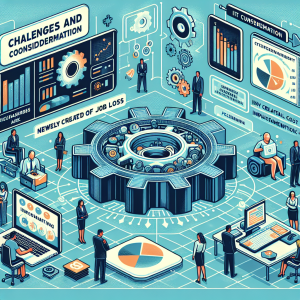
Despite all its benefits, IT automation is not without its challenges. One of the main obstacles is the fear of job loss among employees. While automation may eliminate certain manual tasks, it also creates new job opportunities in the field of data analysis and decision-making. Another challenge is the high initial cost of implementation, which may be a deterrent for some enterprises. However, the long-term benefits of IT automation far outweigh its initial costs.
Enterprises also need to consider the potential risks associated with IT automation, such as data breaches and system failures. Therefore, it is crucial to have a robust security infrastructure in place and regularly monitor and update the automation processes.
In conclusion, IT automation is rapidly evolving, and enterprises need to keep up with the pace of change to stay competitive in the market. By embracing automation, organizations can increase efficiency, reduce costs, and improve their overall performance. With the help of AI and ML, enterprises can take automation to the next level and achieve unprecedented levels of efficiency and productivity. While there may be challenges along the way, the benefits of IT automation make it an inevitable part of the future of business.


