
 Date: Jul 04 2025 - 07:55
- Updated: Jul 04 2025 - 08:14
Date: Jul 04 2025 - 07:55
- Updated: Jul 04 2025 - 08:14
 Category: Storage
 Tags: network, networkstroage
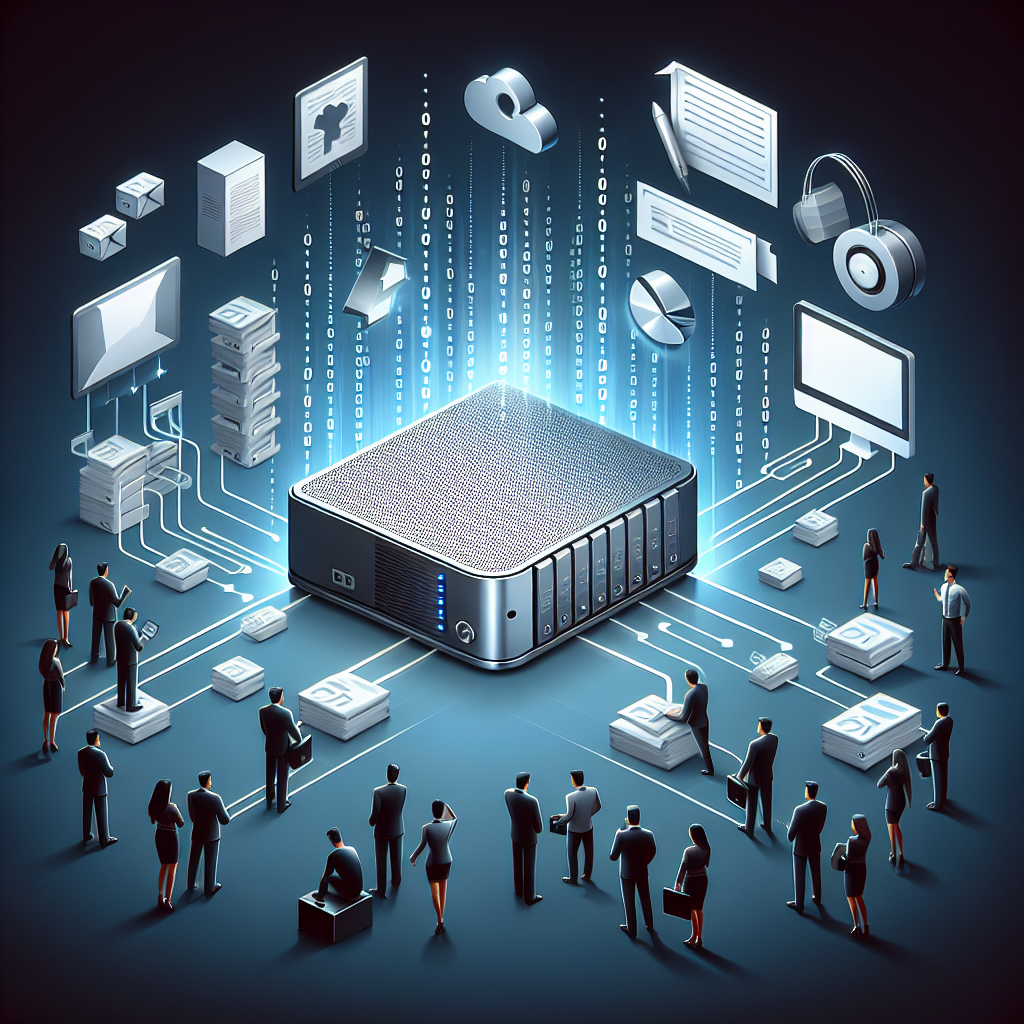

In today’s world, we are generating and consuming an enormous amount of data on a daily basis. From personal photos and videos to important work documents, the digital files we accumulate can quickly become overwhelming. This is where Network Attached Storage (NAS) comes in, providing a solution for storing and organizing all of our data in a centralized location. In this blog post, we will dive into what NAS is, how it works, and why it’s becoming increasingly popular among individuals and businesses alike.

NAS is a storage device that connects to a network, allowing multiple users to access and share data from a centralized location. It can be thought of as a personal cloud storage, as it provides similar functionalities but without the need for an internet connection.
NAS devices typically come in the form of a small box with multiple hard drives, and they are connected to a router via Ethernet cable. This allows all devices connected to the network, such as computers, smartphones, and tablets, to access the data stored on the NAS.
NAS devices use a special operating system that enables them to function as a file server. This means that they can store, manage, and share data with other devices on the network. The operating system also includes various features such as user access controls, data backup, and remote access, making it a versatile storage solution.
NAS devices use either a RAID (Redundant Array of Independent Disks) or JBOD (Just a Bunch of Disks) configuration to store data. RAID is a method of combining multiple hard drives to act as one, providing better performance and data redundancy, while JBOD simply combines the drives without any performance or redundancy benefits. NAS devices also have built-in processors and memory, allowing them to handle data requests from multiple devices simultaneously.
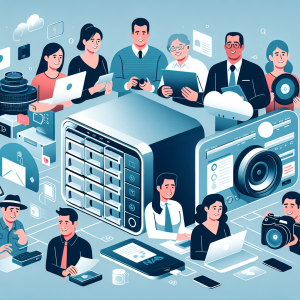
There are several reasons why using NAS can be beneficial, both for personal and business use. Firstly, it provides a centralized and organized location for all your data, making it easy to access and share with other devices. This eliminates the need for multiple external hard drives or USBs, which can easily get lost or damaged.
Secondly, NAS devices offer data redundancy, meaning that even if one hard drive fails, your data is still safe and accessible from the other drives. This is especially important for businesses that cannot afford to lose important data.
Additionally, NAS devices often come with data backup features, allowing you to schedule regular backups of your data to an external drive or cloud storage. This provides an extra layer of protection for your data in case of a hardware failure.

NAS devices are suitable for anyone who needs a reliable and accessible storage solution. They are particularly useful for families or small businesses with multiple devices that need to access and share data. For example, a family can use a NAS device to store all their photos and videos, making it easy for everyone to access and share them. Similarly, a small business can use NAS to store and share important documents and files among employees.
NAS devices are also popular among content creators, such as photographers and videographers, who need a secure and organized storage solution for their high-quality files. It allows them to easily access and share their work with clients without having to rely on external hard drives or cloud storage.

There are various NAS brands on the market, each offering different features and price points. Some popular brands include Synology, QNAP, Western Digital, and Seagate. These brands offer a range of NAS devices, from basic models suitable for personal use to more advanced models for businesses.
When choosing a NAS device, it’s essential to consider your storage needs, the number of devices that will be accessing it, and the features you require. It’s also recommended to opt for a NAS device with at least two hard drives to take advantage of data redundancy.
In conclusion, Network Attached Storage is a convenient and reliable solution for storing and managing all your data in a centralized location. It offers various features, such as data redundancy and remote access, making it a versatile storage solution for both personal and business use. With the increasing amount of data we generate and consume, NAS devices are becoming an essential tool to keep our digital lives organized and accessible. So, if you’re tired of juggling multiple external hard drives or worrying about losing important data, consider investing in a NAS device and experience the convenience and peace of mind it provides.


