
 Date: Sep 02 2025 - 08:52
 Category: Machine Learning
 Tags: datacenter, machinelearning

Data centers are the backbone of modern technology, handling large amounts of data and providing the necessary infrastructure for businesses to operate. With the increasing reliance on technology, it is crucial for data centers to operate efficiently and avoid any downtime. This is where predictive maintenance using machine learning (ML) comes in. In this blog post, we will explore the use of ML in data centers for predictive maintenance, its benefits, and how it can help businesses stay ahead of potential problems.
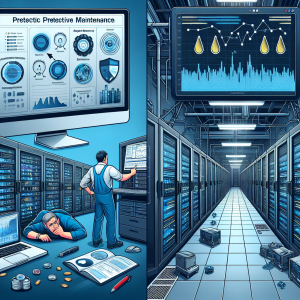
Before delving into the role of ML in data center maintenance, let’s first understand what predictive maintenance is. It is a proactive approach to maintenance that uses data and analytics to predict when equipment is likely to fail, allowing for timely maintenance to be performed before the failure occurs.
This is in contrast to reactive maintenance, where repairs are made after a failure has occurred, resulting in downtime and higher costs.
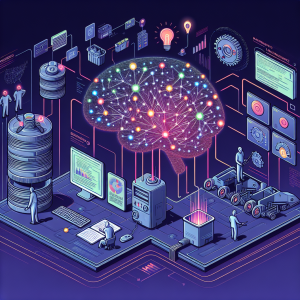
Machine learning is a subset of artificial intelligence that allows computer systems to learn and improve from experience without being explicitly programmed.
In the context of predictive maintenance, ML algorithms can analyze large amounts of data from various sources, such as sensors, logs, and historical maintenance records, to identify patterns and anomalies that indicate potential equipment failures. This process is known as predictive analytics.

The use of ML for predictive maintenance in data centers offers several benefits, including:
1. Cost Savings:
One of the most significant benefits of using ML for predictive maintenance is cost savings. By identifying potential equipment failures before they occur, businesses can avoid costly downtime and repairs. Additionally, ML algorithms can optimize maintenance schedules to reduce unnecessary maintenance, resulting in cost savings.
2. Improved Efficiency:
ML algorithms can analyze data in real-time, providing data center managers with valuable insights into equipment health and performance. This allows for timely maintenance and optimization of equipment, leading to improved efficiency and reduced energy consumption.
3. Increased Reliability:
Data centers are critical for businesses, and any downtime can result in significant financial losses. By using ML for predictive maintenance, data centers can improve reliability by identifying and addressing potential problems before they cause any disruptions.
4. Better Resource Management:
ML algorithms can analyze data from various sources, providing data center managers with a comprehensive view of their equipment’s health and performance. This allows for better resource management, such as optimizing cooling systems and identifying underutilized equipment.

To implement ML for predictive maintenance in data centers, businesses need to follow these steps:
1. Identify Key Equipment and Data Sources:
The first step is to identify the critical equipment in the data center and the data sources that will be used for predictive maintenance. This can include temperature sensors, power usage data, and historical maintenance records.
2. Collect and Consolidate Data:
Once the key equipment and data sources have been identified, the next step is to collect and consolidate the data. This can be done manually or using automated tools specifically designed for data center management. 3. Train ML Algorithms: The data collected needs to be fed into ML algorithms to train them to identify patterns and anomalies that indicate potential equipment failures. This process requires a significant amount of data to ensure the algorithms are accurate.
3. Train ML Algorithms:
The data collected needs to be fed into ML algorithms to train them to identify patterns and anomalies that indicate potential equipment failures. This process requires a significant amount of data to ensure the algorithms are accurate.
4. Implement Monitoring and Alert Systems:
Once the ML algorithms have been trained, they can be implemented into the data center’s monitoring and alert systems. This will allow for real-time monitoring and alerting when potential equipment failures are detected.
5. Continuously Update and Improve:
ML algorithms need to be continuously updated and improved as new data becomes available. This will ensure that the algorithms remain accurate and effective in predicting potential equipment failures.

Several companies have already started using ML for predictive maintenance in their data centers. For example, Google uses ML to predict cooling system failures in its data centers, resulting in a 40% reduction in cooling costs.
Facebook also uses ML to predict server failures, resulting in a 20% reduction in server maintenance costs.
In conclusion, predictive maintenance using ML is a game-changer for data centers. By leveraging the power of data and machine learning, businesses can save costs, improve efficiency, increase reliability, and better manage their resources. As data centers continue to grow in complexity and importance, the use of ML for predictive maintenance will become even more critical. It’s time for businesses to embrace this technology and stay ahead of potential problems in their data centers.


