
 Date: Aug 18 2025 - 07:50
 Category: Computer worms
 Tags: cyberattacks, cybersecurity, worms
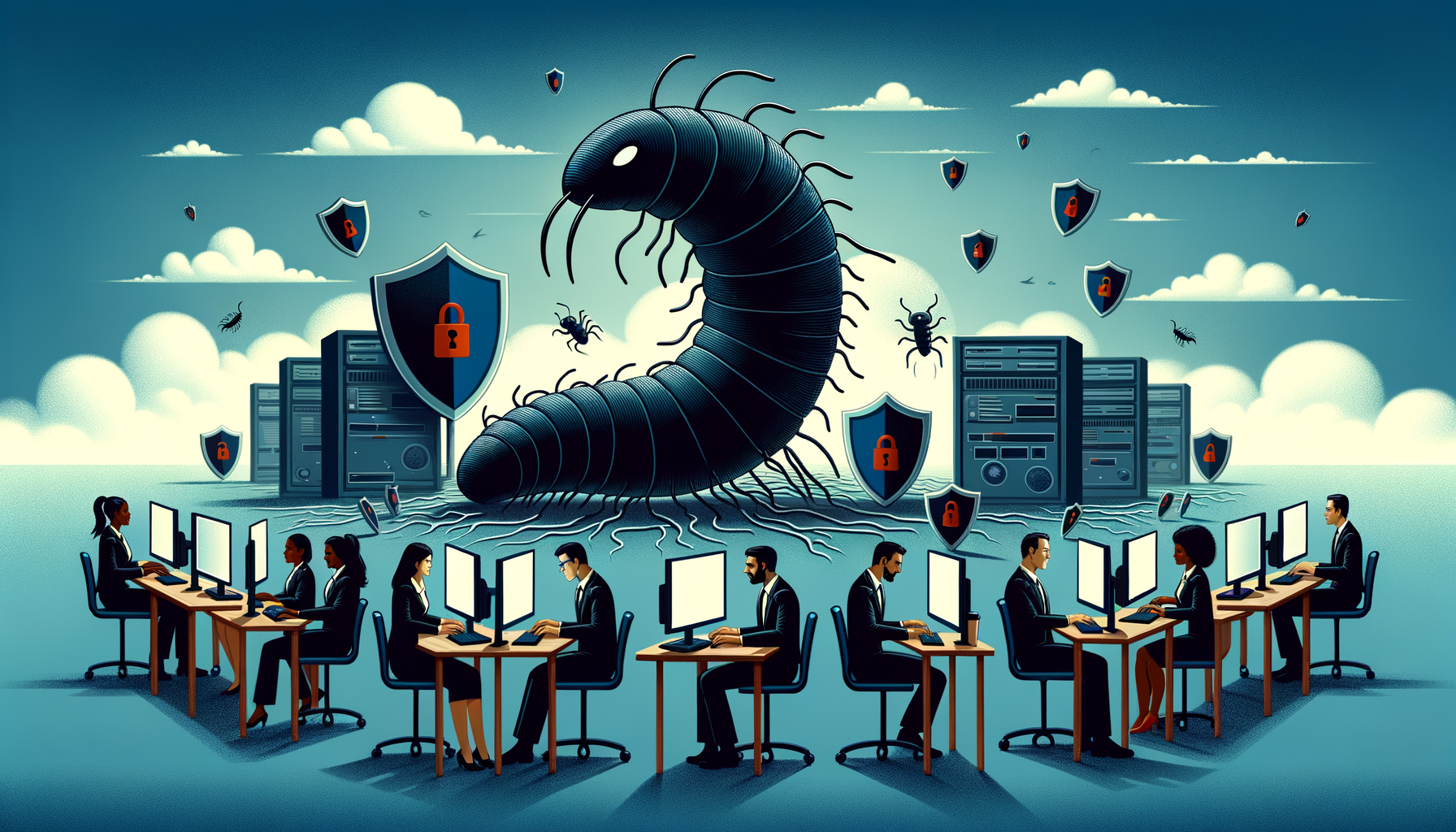
In today’s digital world, cyber attacks have become a major concern for individuals and organizations alike. One of the most common forms of cyber attacks is a worm attack, which is a type of malware that can spread from one computer to another without any human interaction. Worms can cause significant damage by exploiting vulnerabilities in computer systems and networks, making them a serious threat to cybersecurity.
In this blog post, we will explore some real-world case studies of worm attacks and the lessons learned from them. These case studies will provide valuable insights into the impact of worm attacks and how they can be prevented. So, let’s dive in and learn from these experiences.

One of the earliest worm attacks in history was the Morris worm, created by Robert Tappan Morris in 1988. It was designed to spread through UNIX systems connected to the internet and caused widespread disruption. The worm exploited a vulnerability in the sendmail program, which allowed it to replicate and spread to other systems.
The Morris worm infected over 6,000 computers, causing them to crash or become unresponsive. It also slowed down the entire internet, making it difficult for users to access websites. This attack highlighted the need for better security measures and prompted the development of the first antivirus software.

In 2003, the Blaster worm infected millions of computers running the Windows operating system. It exploited a vulnerability in the Windows Remote Procedure Call (RPC) service and spread rapidly through the internet. The worm was designed to launch a denial-of-service (DoS) attack on the Microsoft Windows Update website, making it difficult for users to download security patches.
The Blaster worm caused significant disruptions to businesses and individuals, including the U.S. Department of Homeland Security, which had to shut down its network to contain the spread of the worm. This attack highlighted the importance of regularly updating operating systems and software to prevent vulnerabilities from being exploited.

In 2017, the world witnessed one of the most devastating worm attacks in history – the WannaCry ransomware attack. It targeted computers running the Microsoft Windows operating system and encrypted files, demanding a ransom payment in exchange for the decryption key. The worm spread rapidly across the globe, infecting over 200,000 computers in more than 150 countries.
The WannaCry attack exploited a vulnerability in the Windows SMB protocol, which allowed it to spread quickly within networks. This attack affected hospitals, businesses, and government agencies, causing widespread chaos and financial losses. The lesson learned from this attack was the importance of regular backups and disaster recovery plans to mitigate the impact of a ransomware attack.

In 2017, a variant of the Petya ransomware, known as NotPetya, caused havoc around the world. It used the same exploit as WannaCry, the Windows SMB vulnerability, to spread through networks. This attack targeted large corporations and caused significant financial losses, with some companies reporting losses of up to $300 million.
The NotPetya attack highlighted the importance of patching vulnerabilities and implementing secure network segmentation to contain the spread of a worm attack. It also emphasized the need for organizations to have a comprehensive incident response plan in place to minimize the impact of a cyber attack.
From these real-world case studies, we can draw some valuable lessons about worm attacks and how to prevent them:
– Regularly update operating systems and software to patch vulnerabilities.
– Implement secure network segmentation to contain the spread of a worm attack.
– Have a disaster recovery plan in place to mitigate the impact of a ransomware attack.
– Educate employees about cybersecurity best practices, such as not clicking on suspicious links or downloading unknown attachments.
– Have a comprehensive incident response plan to minimize the damage caused by a cyber attack.
– Invest in reliable antivirus software to detect and prevent worm attacks.
Worm attacks are a serious threat to cybersecurity, and they can cause significant damage to individuals and organizations. However, by learning from real-world case studies and implementing the necessary security measures, we can prevent these attacks and protect our digital assets. It is crucial to stay vigilant and regularly update our systems to stay one step ahead of cybercriminals. By working together and taking proactive measures, we can make the internet a safer place for everyone.


