
 Date: Aug 08 2025 - 06:01
 Category: Kubernetes
 Tags: kubernets

Kubernetes is an open-source container orchestration platform that has gained immense popularity in recent years. It allows IT teams to easily manage and deploy containerized applications, making it a valuable tool for organizations of all sizes. However, with the rise in adoption of Kubernetes, security concerns have also increased. In this blog, we will discuss the strategies that every IT team should know to secure their Kubernetes clusters.
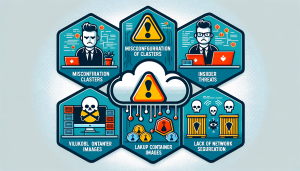
Before we dive into the strategies, it is essential to understand the security risks associated with Kubernetes clusters.
As with any technology, there are always vulnerabilities that malicious actors can exploit. Some common security risks in Kubernetes include:
– Misconfiguration: This is one of the most significant security risks in Kubernetes clusters. A misconfigured cluster can leave sensitive data exposed and allow unauthorized access to the cluster.
– Insider threats: A disgruntled employee or a careless team member can also pose a security risk to Kubernetes clusters. They may accidentally delete or modify critical configurations, leading to a potential security breach.
– Vulnerable images: Using vulnerable container images can leave your cluster susceptible to attacks. It is crucial to regularly scan and update your images to avoid any security risks.
– Lack of network segmentation: Without proper network segmentation, an attacker can move laterally within the cluster and gain access to sensitive data.

Role-Based Access Control (RBAC) is a crucial security measure that limits access to resources within the cluster based on a user’s role. It allows you to grant or restrict permissions to specific resources and actions, reducing the risk of unauthorized access.
With RBAC, you can define roles for different team members, ensuring that they only have access to the resources required for their job. Additionally, you can regularly review and update these roles to ensure that access is granted only to those who need it.

As mentioned earlier, using vulnerable container images can leave your cluster open to attacks. Therefore, it is crucial to secure your images before deploying them to your Kubernetes cluster. One way to do this is by regularly scanning your images for known vulnerabilities and updating them as needed. You can also use image signing and verification to ensure that the images you are deploying are from a trusted source.

Network policies allow you to control traffic between different pods within the cluster. It acts as a firewall, restricting communication between pods that do not need to communicate with each other.
By implementing network policies, you can limit the attack surface of your cluster, making it more secure. It also helps in complying with regulatory requirements by ensuring that sensitive data is not exposed to unauthorized pods.

Monitoring and auditing your Kubernetes cluster is essential for identifying any potential security threats and taking corrective actions. You can use tools like Prometheus and Grafana to monitor the cluster’s health and performance.
Additionally, regularly reviewing and analyzing logs can help in detecting any suspicious activity within the cluster. You can also set up alerts to notify you of any security incidents or anomalies in the cluster.
Kubernetes is a powerful tool for managing and deploying containerized applications, but it also comes with its own set of security risks. By implementing the strategies mentioned in this blog, you can ensure that your Kubernetes cluster is secure and your applications are protected. It is essential to understand that securing a Kubernetes cluster is an ongoing process and requires continuous monitoring and updates. By regularly reviewing and updating your security measures, you can stay ahead of potential threats and keep your cluster and applications safe.


