
 Date: Jul 03 2025 - 10:53
- Updated: Sep 17 2025 - 09:55
Date: Jul 03 2025 - 10:53
- Updated: Sep 17 2025 - 09:55
 Category: Network
 Tags: cyberattacks, internetofthings
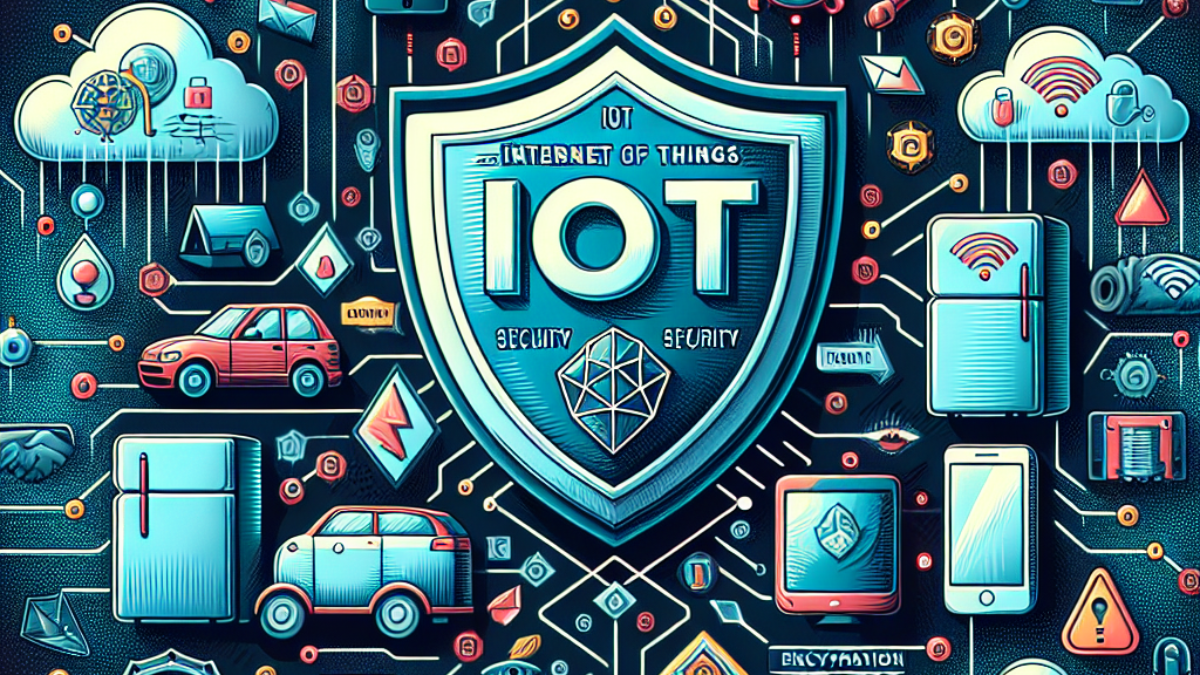
The Internet of Things (IoT) has revolutionized the way we live and work by connecting everyday devices to the internet and allowing them to communicate with each other. From smart home devices like thermostats and security cameras to industrial machines and medical devices, the IoT has made our lives more convenient and efficient. However, with the increasing number of connected devices, the security of the IoT has become a major concern. In this blog post, we will explore the challenges of securing the IoT and discuss potential solutions to ensure the safety and privacy of our connected devices.

As the number of connected devices in our homes and workplaces continues to grow, so does the potential for cyberattacks. These attacks can range from simple data breaches to more serious threats like hacking into critical infrastructure systems. The consequences of these attacks can be devastating, from financial losses to compromising personal and sensitive information.
One of the main reasons for the vulnerability of the IoT is the lack of security measures in many devices. Manufacturers often prioritize functionality and cost over security, leaving devices with weak or no security protocols. Additionally, the diverse nature of IoT devices makes it challenging to have a standardized security system, making them an easier target for cybercriminals.
Another significant challenge in securing the IoT is data privacy. The data collected by connected devices can include personal information such as location, health data, and daily routines. This data is often stored in the cloud, raising concerns about who has access to it and how it is being used. With the rise of smart home devices, there have been instances of unauthorized access to private data, leading to concerns about the security of our personal information.


Like any other technology, IoT devices require regular updates and patches to fix known vulnerabilities and improve security. However, many manufacturers do not provide these updates, leaving devices susceptible to attacks. Additionally, the sheer number of devices and their constant connectivity makes it difficult to keep track of updates and ensure that all devices are up to date.
To address these challenges and secure the IoT, several solutions have been proposed and implemented. One approach is the use of blockchain technology, which provides a decentralized and secure platform for data exchange. This technology can ensure the integrity and confidentiality of data transmitted between devices, making it difficult for hackers to infiltrate the system.
Another solution is the implementation of strong encryption protocols. By encrypting data at rest and in transit, the chances of unauthorized access are significantly reduced. This also includes implementing secure authentication methods, such as two-factor authentication, to ensure that only authorized users can access the devices.
IoT security standards are also being developed to ensure that manufacturers follow a set of guidelines to strengthen the security of their devices. Organizations such as the Internet of Things Security Foundation (IoTSF) and the National Institute of Standards and Technology (NIST) have developed frameworks and guidelines for manufacturers to follow when designing and producing IoT devices.


While manufacturers and organizations play a significant role in securing the IoT, individuals also have a responsibility to ensure the safety of their devices. This includes changing default passwords, keeping devices and software up to date, and being cautious of suspicious emails and links. By taking these simple steps, individuals can significantly reduce the risk of their devices being compromised.
The Internet of Things has the potential to make our lives easier and more connected. However, with the growing number of connected devices, securing the IoT has become a crucial issue. The challenges of cyberattacks, data privacy, lack of updates, and patches require a collaborative effort from manufacturers, organizations, and individuals to ensure the safety and privacy of our connected devices. By implementing solutions such as blockchain technology, strong encryption protocols, and IoT security standards, we can overcome these challenges and make the IoT a safer and more secure place.


