
 Date: Sep 02 2025 - 08:15
 Category: Machine Learning
 Tags: industrialIT, IT, machinelearning
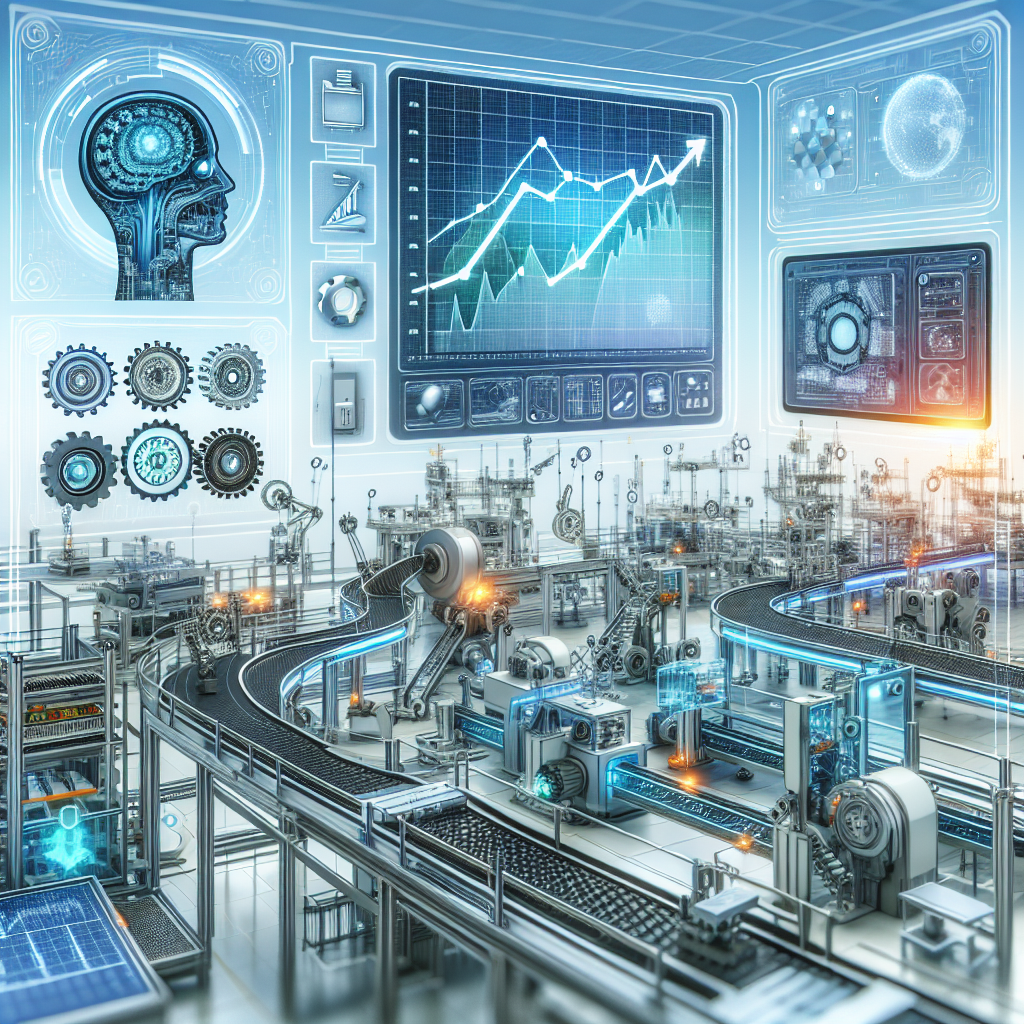
In today’s rapidly evolving industrial landscape, the concept of smart manufacturing is gaining significant traction. Smart manufacturing involves the use of cutting-edge technologies to optimize and automate production processes, resulting in improved efficiency, lower costs, and higher quality products. One of the key technologies driving this revolution is machine learning. In this blog post, we will explore the role of machine learning in industrial IT infrastructure and how it is transforming the manufacturing industry.

Before delving into the specifics of how machine learning is used in industrial IT infrastructure, let’s first understand what it actually means. In simple terms, machine learning is a subset of artificial intelligence (AI) that enables systems to learn and improve from experience without being explicitly programmed.
It involves the use of algorithms and statistical models to analyze and interpret data, identify patterns and make decisions, just like humans do.

The industrial sector is constantly generating vast amounts of data, from production processes and supply chain activities to customer behavior and market trends. Machine learning algorithms can be trained on this data to identify patterns and make predictions, enabling companies to optimize their processes and make data-driven decisions.
One of the key areas where machine learning is making a significant impact is predictive maintenance. By analyzing real-time data from sensors and equipment, machine learning algorithms can accurately predict when a machine is likely to fail, allowing for timely maintenance and preventing costly breakdowns. This not only improves efficiency but also saves companies a significant amount of money in repair and replacement costs.
Another application of machine learning in industrial IT infrastructure is quality control. By analyzing data from production processes, machine learning algorithms can identify and flag any anomalies or defects, enabling manufacturers to take corrective action before the product reaches the market. This results in higher quality products and increased customer satisfaction.
The use of machine learning in industrial IT infrastructure offers several advantages, making it an essential component of the smart manufacturing revolution.
Firstly, machine learning algorithms can process and analyze vast amounts of data in a fraction of the time it would take a human, resulting in quicker and more accurate decisions. This is particularly useful in industries such as manufacturing, where time is of the essence.
Secondly, machine learning algorithms are continuously learning and improving, making them more accurate and efficient over time. This means that they can adapt to changing conditions and make more accurate predictions as they gather more data.
Lastly, machine learning can help identify inefficiencies and areas for improvement in production processes, enabling companies to optimize their operations and reduce costs.

While the benefits of using machine learning in industrial IT infrastructure are undeniable, there are also some challenges and limitations that companies need to consider.
One of the major challenges is the availability and quality of data. Machine learning algorithms require large, diverse datasets to learn and make accurate predictions. In industries where data is not readily available or is of poor quality, the effectiveness of machine learning may be limited.
There is also the issue of interpretability and explainability. Machine learning algorithms can often make decisions that are difficult to understand or explain, making it challenging for companies to trust and rely on them for critical decisions. This is a significant concern in industries such as healthcare and finance, where transparency and accountability are essential.

As technology continues to advance, the potential applications of machine learning in industrial IT infrastructure are limitless. With the increasing adoption of the Internet of Things (IoT) and the proliferation of connected devices, there will be even more data generated, providing an opportunity for machine learning to be used in various industries.
Furthermore, advancements in robotics and automation, coupled with machine learning, will lead to more intelligent and efficient production processes. This will not only improve productivity but also create safer working environments for employees.
Machine learning is revolutionizing the manufacturing industry by enabling companies to optimize their processes, reduce costs, and increase efficiency. It has the potential to transform the industrial landscape, making it smarter and more efficient than ever before. As we continue to see advancements in technology, we can expect to see even more innovative applications of machine learning in industrial IT infrastructure, making smart manufacturing a reality.


