
 Date: Aug 04 2025 - 08:04
 Category: Network
 Tags: datacenter, Edgecomputing, modulardatacenter

Data centers have become an integral part of our daily lives, from storing our personal information to powering the applications we use on a daily basis. With the rise of edge computing and the increasing demand for instant data processing, the traditional data center model is facing challenges in meeting these needs. This is where modular data centers come in – a more flexible and efficient solution for edge environments. In this blog post, we will explore the future of modular data centers in edge environments and how they are revolutionizing the data center industry.
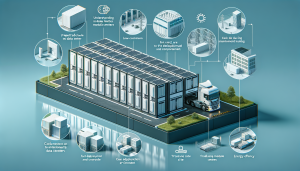
Modular data centers are prefabricated data center units, designed to be highly scalable and flexible. They are built in a controlled environment and then transported to the deployment site, where they can be quickly and easily set up.
This modular design allows for faster deployment, lower costs, and easier maintenance compared to traditional data centers. Additionally, modular data centers are designed to be more energy-efficient, making them a more sustainable option for data processing needs.

Edge computing is a distributed computing model where data is processed closer to the source, rather than being sent to a centralized data center. This allows for faster data processing and reduces the load on the network. With the increasing adoption of Internet of Things (IoT) devices and smart technologies, the need for real-time data processing is also increasing. This is where edge computing and modular data centers complement each other perfectly.
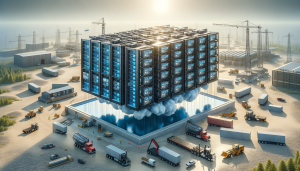
One of the main advantages of modular data centers in edge environments is their scalability. As edge computing continues to grow, the demand for data processing at the edge will also increase. Modular data centers can easily be expanded or replicated to meet this demand, without the need for a complete overhaul of the existing infrastructure. This scalability also makes it easier for companies to keep up with the evolving technology landscape.
Another advantage of modular data centers is their portability. They can be easily transported to remote or temporary locations, making them ideal for edge environments. This is especially useful for industries such as construction, oil and gas, and events, where a temporary data center may be needed. The portability of modular data centers also makes them a viable option for disaster recovery and emergency response situations.
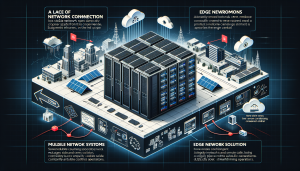
While modular data centers offer many benefits, there are also some challenges that need to be addressed. The main challenge is ensuring connectivity and network reliability in edge environments. Since modular data centers are deployed closer to the source, they may not have access to a reliable network connection. This can be solved by implementing edge network solutions such as software-defined wide area networks (SD-WAN) and edge computing gateways.
Another challenge is the management of multiple modular data centers spread across different locations. This can be overcome by implementing a centralized management system, allowing for better control and monitoring of all the data centers. Automation and remote management tools can also help in streamlining operations and reducing the need for on-site personnel.

As edge computing continues to grow and become more prevalent, the future of modular data centers in edge environments looks promising. According to a report by Market Research Future, the global modular data center market is expected to reach $59 billion by 2023, with a compound annual growth rate (CAGR) of 30%. This growth can be attributed to the increasing demand for edge computing and the benefits that modular data centers offer.
With the rise of 5G technology, the need for fast and reliable data processing at the edge will only increase. This will create more opportunities for modular data centers to be deployed in various industries and use cases. Furthermore, advancements in modular data center technology, such as the use of renewable energy sources and artificial intelligence, will make them even more efficient and sustainable.
In conclusion, the future of modular data centers in edge environments is bright. Their scalability, portability, and efficiency make them a perfect fit for the evolving needs of data processing at the edge. As the demand for edge computing continues to grow, we can expect to see an increase in the adoption of modular data centers. With the right solutions in place, the challenges can be overcome, and modular data centers can revolutionize the data center industry.


