
 Date: Aug 01 2025 - 11:16
 Category: Routing and Switching
 Tags: AI, Artificial Intelligence, routing, switching
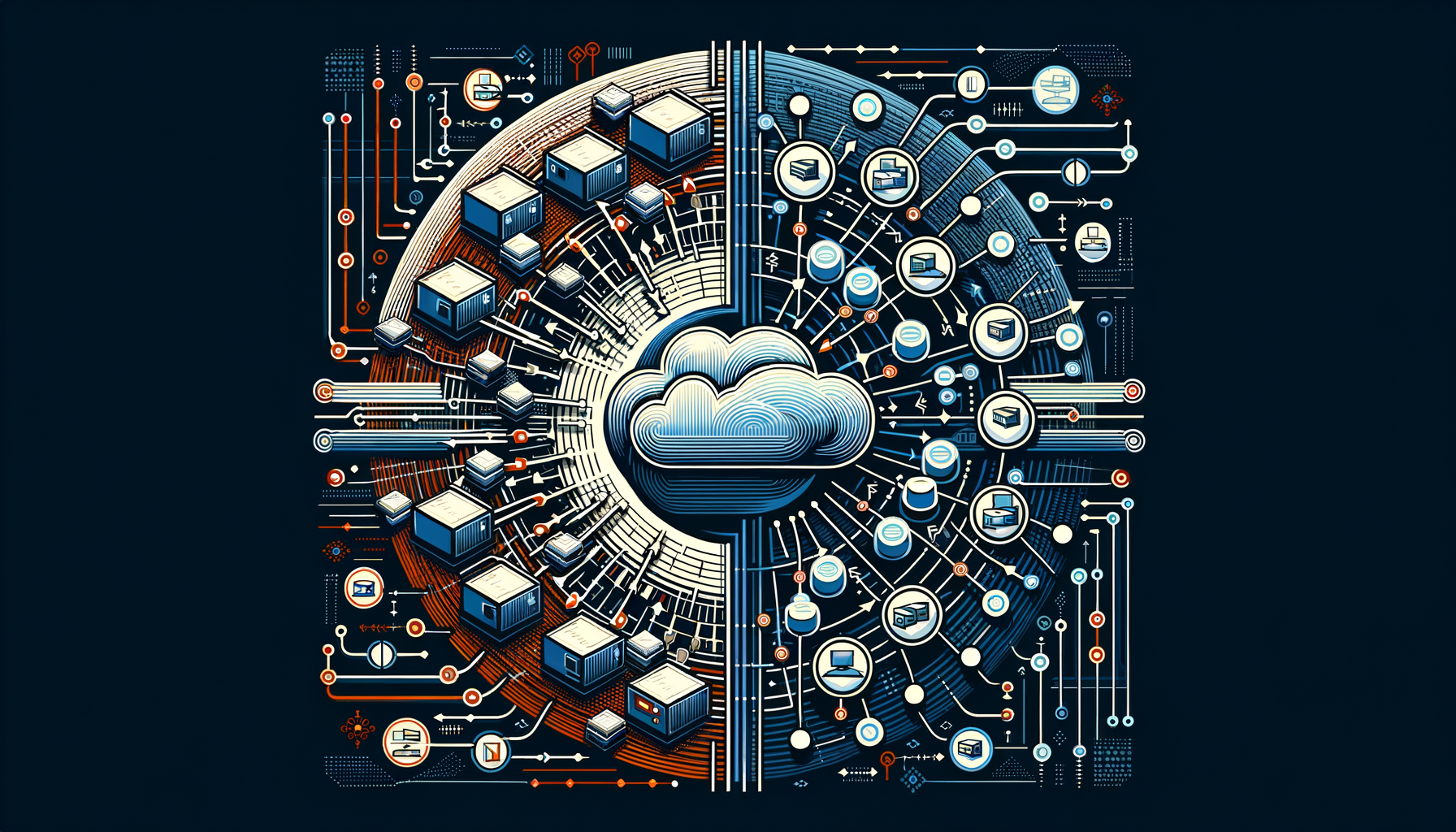
In today’s digital age, we are surrounded by constantly evolving technology. From smartphones to smart homes, we rely on technology to make our lives easier and more efficient. One area that has seen significant advancements is in the field of networking. With the rise of artificial intelligence (AI), the future of routing and switching in networks is set to change drastically. In this blog post, we will explore the potential impact of AI on routing and switching and how it will shape the future of networking.
Before we dive into the future, let’s first understand what routing and switching are and how they are currently used in networks. Routing refers to the process of forwarding data packets from one network to another, while switching involves the actual movement of data within a network.
These processes are essential for the communication and transfer of data between devices. Currently, routing and switching are primarily done using pre-defined rules and configurations set by network engineers.
With the increasing demand for faster and more reliable networks, the use of AI in networking has become inevitable. AI-driven networks are designed to learn and adapt to changing network conditions in real-time.
This allows for more efficient and dynamic routing and switching, resulting in improved network performance. AI algorithms can analyze vast amounts of data and make decisions based on that data, resulting in faster and more accurate routing and switching.
One of the most significant benefits of AI-driven networks is the ability to predict and prevent network failures. Traditional networks rely on reactive measures, where problems are only addressed after they have occurred.
With AI, networks can be trained to predict potential issues and take proactive measures to prevent them from happening. This can save valuable time and resources for network engineers, allowing them to focus on other critical tasks.
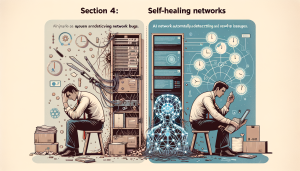
Another aspect of AI-driven networks is their ability to self-heal. In traditional networks, when a failure occurs, network engineers must manually identify and fix the problem. This process can be time-consuming and can lead to extended periods of network downtime.
In an AI-driven network, if a failure occurs, the system can automatically detect and correct the issue without any human intervention. This results in faster recovery times and reduced downtime, improving overall network reliability.
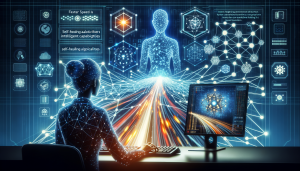
AI-driven networks can also optimize the flow of network traffic. Traditional networks rely on static routing, where data follows a predetermined path.
This can lead to congestion and bottlenecks in the network. With AI, networks can analyze traffic patterns and adjust routing dynamically to avoid congestion and optimize performance. This results in faster data transfer speeds and improved user experience.
The future of routing and switching in networks is set to change dramatically with the integration of AI. The use of AI algorithms in networking will bring numerous benefits, including faster and more reliable networks, predictive routing and switching, self-healing capabilities, and intelligent traffic management. However, with the increasing complexity of AI-driven networks, it is essential to have skilled network engineers who can manage and maintain these networks effectively. As technology continues to advance, we can expect to see even more innovative uses of AI in networking, revolutionizing the way we communicate and transfer data.


