
 Date: Sep 02 2025 - 09:50
 Category: Computer worms
 Tags: DDosattacks, Malware, viruses
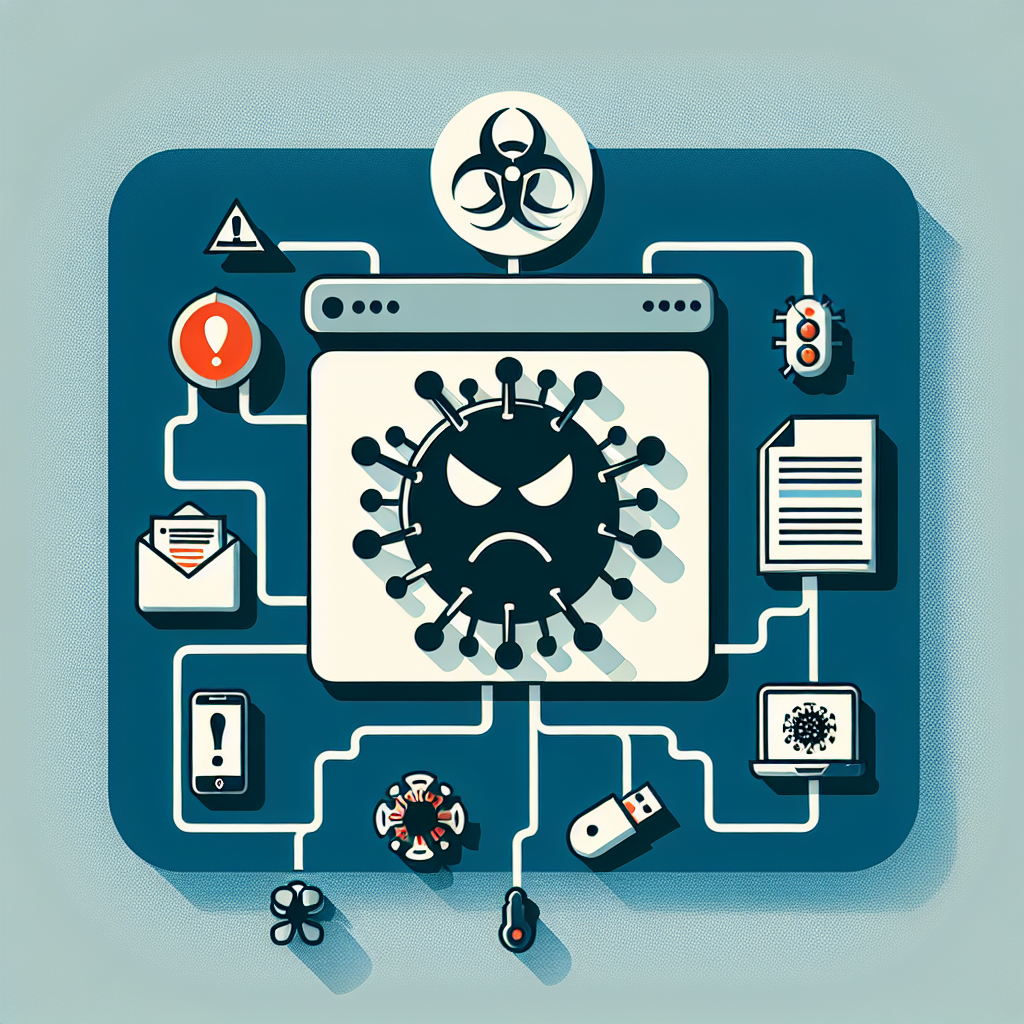
Welcome to our blog post on the top 10 most dangerous computer viruses and their impact. In today’s technology-driven world, where almost everything is connected through the internet and computers, the threat of computer viruses has increased significantly. These malicious programs can cause havoc and destruction, affecting millions of devices and causing billions of dollars in damage. In this post, we will discuss the top 10 most dangerous computer viruses and their impact on the world.

A computer virus is a type of malicious software (malware) that replicates itself and spreads from one device to another. It can attach itself to different files and programs, infecting them and causing damage to the system.
Viruses can enter a computer through various means, including email attachments, infected websites, and even through USB drives.

Stuxnet is considered to be one of the most sophisticated and dangerous computer viruses ever created. It was first discovered in 2010 and is believed to have been developed by the US and Israeli intelligence agencies.
Its main target was the Iranian nuclear program, and it caused significant damage to their nuclear facilities. Stuxnet infected the computer systems controlling the centrifuges used for uranium enrichment, causing them to spin out of control and ultimately destroying them.
WannaCry is a ransomware virus that caused a global cyber attack in 2017. It spread through a vulnerability in the Windows operating system, infecting over 200,000 computers in 150 countries. The virus encrypted files on the infected devices and demanded a ransom in exchange for the decryption key.
WannaCry affected various organizations, including hospitals, banks, and government agencies, causing massive disruption and financial loss.

Mydoom is another dangerous computer virus that caused widespread damage in 2004. It spread through email attachments and targeted Windows operating systems. The virus had a backdoor that allowed hackers to take control of the infected computers and use them for various malicious activities, such as sending spam emails and launching DDoS attacks.
Mydoom caused an estimated $38 billion in damages, making it one of the most expensive computer viruses in history.
Code Red is a worm virus that targeted servers running Microsoft Internet Information Services (IIS) in 2001. It spread rapidly by exploiting a vulnerability in the IIS server and caused a denial of service (DoS) attack on the White House website.
The virus also had a backdoor that allowed hackers to take control of the infected servers and launch further attacks. Code Red caused an estimated $2.6 billion in damages and affected hundreds of thousands of servers worldwide.

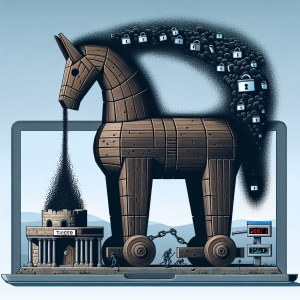
Zeus is a Trojan horse virus that has been active since 2007. It primarily targets financial institutions and steals sensitive information, such as banking credentials and credit card details.
Zeus has infected millions of computers worldwide and is responsible for millions of dollars in financial losses. It is continuously evolving, making it challenging to detect and remove.
CryptoLocker is a ransomware virus that first appeared in 2013. It spread through email attachments and encrypted files on the infected devices, demanding a ransom in exchange for the decryption key.
CryptoLocker affected millions of computers worldwide and caused billions of dollars in damages. It also led to the rise of other ransomware viruses, making it one of the most influential computer viruses in recent years.
Mirai is a botnet virus that caused a massive DDoS attack in 2016. It targeted Internet of Things (IoT) devices, such as security cameras and routers, and used them to launch a coordinated attack on Dyn, a major internet infrastructure company.
The attack caused disruption to popular websites, including Twitter, Netflix, and Amazon. Mirai highlighted the vulnerability of IoT devices and the potential danger they pose if not secured properly.
Conficker is a worm virus that first appeared in 2008 and is still active today. It spreads through network connections, removable storage, and vulnerabilities in the Windows operating system.
Conficker has infected millions of computers worldwide and is estimated to have caused billions of dollars in damages. It is known for its ability to update and evolve, making it difficult to detect and remove.
ILOVEYOU is an email worm virus that caused a global outbreak in 2000. It spread through email attachments, disguised as a love letter, and infected millions of computers worldwide. The virus overwrote files on the infected devices, causing them to become corrupt and unusable.
ILOVEYOU caused an estimated $15 billion in damages and highlighted the need for email security measures.
In conclusion, computer viruses pose a significant threat to our digital world, causing damage in the billions of dollars. The viruses mentioned above are just a few examples of the many dangerous computer viruses that have caused destruction and chaos. It is essential to have proper security measures in place and to stay vigilant against these malicious programs. With the continuous evolution of technology, the threat of computer viruses will continue to exist, and it is up to us to protect ourselves from their impact.


