
 Date: Sep 02 2025 - 10:50
 Category: Computer worms
 Tags: computerworms, viruses
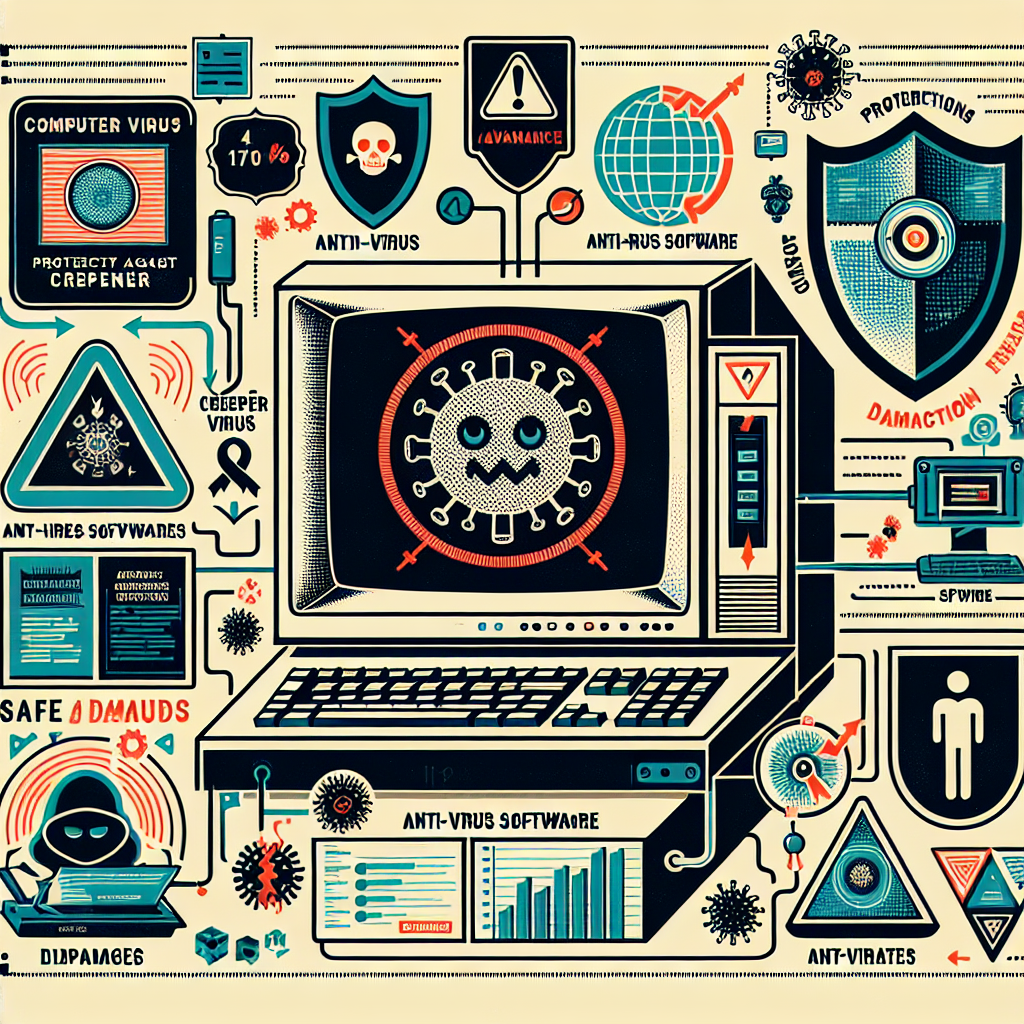
Have you ever heard of computer viruses? Chances are, you have. They are one of the most common and notorious threats in the world of technology. But what exactly are computer viruses? How do they work? And how have they evolved over time? In this blog post, we will explore the basics of computer viruses and their evolution, so that you can better understand and protect yourself against these malicious programs.

Let’s start with the basics. A computer virus is a type of malicious software (malware) that is designed to spread from one computer to another and cause harm. It can infect your computer in a variety of ways, such as downloading infected files, clicking on malicious links or attachments, or even through USB devices.
Once a virus has infected your computer, it can replicate itself and spread to other computers, causing damage to your files, stealing personal information, or even taking control of your computer.

Computer viruses are not a new phenomenon. The first known computer virus was created in the early 1970s by a man named Bob Thomas. This virus, known as the “Creeper virus,” was not as harmful as modern-day viruses.
It simply displayed a message on infected computers that said, “I’m the creeper: catch me if you can.” However, this virus paved the way for more sophisticated and dangerous viruses to come.

As technology advanced, so did the capabilities of computer viruses. In the 1980s, one of the most infamous viruses, the “Brain virus,” was created.
This virus was the first to target IBM computers and spread through infected floppy disks. It caused minimal damage but was a significant step in the evolution of viruses.

The 1990s saw a significant increase in the number and complexity of computer viruses. The “Michelangelo virus” gained widespread attention in 1992 as it was set to activate on March 6, which is the birthday of the famous artist it was named after.
This virus could overwrite the hard drive of infected computers, causing data loss. Another notable virus from this decade was the “Melissa virus,” which spread through email and caused millions of dollars in damages.
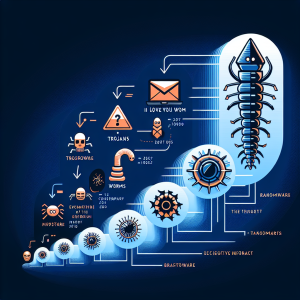
In the early 2000s, we saw the rise of worms and Trojans, which are types of viruses that can spread without human interaction. The “ILOVEYOU worm” infected millions of computers worldwide in 2000 by tricking users into opening a malicious email attachment. In 2003, the “Blaster worm” caused chaos by exploiting a vulnerability in Microsoft Windows and spreading rapidly through the internet.
Today, viruses continue to evolve and become more sophisticated. With the rise of the internet, hackers have more opportunities to spread viruses and steal sensitive information. Ransomware, a type of virus that encrypts your files and demands payment for their release, has become a prevalent threat in recent years.
Computer viruses have come a long way since the Creeper virus of the 1970s. They have become more advanced, harder to detect, and more damaging than ever before. But with the advancement of technology, we also have better tools to protect ourselves against them. Antivirus software, firewalls, and regular software updates can all help prevent viruses from infecting your computer. However, the best defense against viruses is awareness and caution. Be careful about what you download, click, or open, and always keep your software and operating system up to date. With these precautions, you can stay one step ahead of computer viruses and keep your data and devices safe.


