
 Date: Aug 14 2025 - 11:28
 Category: DDoS
 Tags: cyberattacks, DDosattacks

In today’s digital age, cyber attacks have become a common threat to businesses and organizations. One of the most prevalent and damaging types of attacks is a Distributed Denial of Service (DDoS) attack. These attacks can disrupt the normal functioning of a website or online service, causing significant financial and reputational damage. In this blog post, we will delve into the world of DDoS attacks, discussing their types, techniques, and real-world examples.

A DDoS attack is a malicious attempt to disrupt the normal traffic of a targeted website or online service by overwhelming it with a flood of traffic from multiple sources. This flood of traffic is generated by a network of compromised devices, known as a botnet, controlled by the attacker.
The goal of a DDoS attack is to exhaust the resources of the target system, making it unavailable to legitimate users.
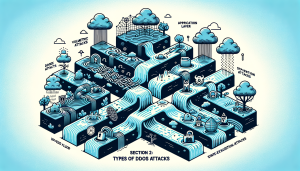
There are several types of DDoS attacks, each with its own unique characteristics and goals. Let’s take a look at the most common types of DDoS attacks:
1. Volumetric Attacks
Volumetric attacks, also known as flood attacks, are the most common type of DDoS attacks. These attacks flood the target system with a large volume of traffic, overwhelming its bandwidth and causing it to crash. Volumetric attacks can be further divided into two subtypes:
– **UDP Flood:** This type of attack floods the target system with User Datagram Protocol (UDP) packets, which do not require a handshake and can be easily spoofed.
– **TCP Flood:** In this type of attack, the target system is flooded with Transmission Control Protocol (TCP) packets, which require a three-way handshake to establish a connection, making them harder to spoof.
2. Application Layer Attacks
Application layer attacks, also known as Layer 7 attacks, target the application layer of the target system, making them harder to detect and mitigate. These attacks exploit vulnerabilities in the application layer, such as web servers, APIs, or database servers, to overload the system with requests.
3. Protocol Attacks
Protocol attacks exploit weaknesses in network protocols, such as Internet Control Message Protocol (ICMP) or Hypertext Transfer Protocol (HTTP), to disrupt the target system. These attacks can target specific protocols or employ a combination of multiple protocols to amplify the impact.

DDoS attackers use various techniques to amplify the attack and make it more difficult to mitigate. Let’s take a look at some of the most common techniques used in DDoS attacks:
1. Botnets:
Botnets are networks of compromised devices that are controlled by the attacker and used to carry out a DDoS attack. These devices can be infected with malware or controlled through phishing attacks, making them a powerful tool for DDoS attacks.
2. Reflection/Amplification:
In this technique, the attacker spoofs the source IP address of the attack traffic to make it appear as if it is coming from a legitimate source. This way, the target system receives a large amount of traffic from multiple sources, making it harder to trace back to the attacker.
3. DNS Amplification:
DNS amplification is a type of reflection attack that exploits the Domain Name System (DNS) to amplify the attack. The attacker sends a small DNS query to a DNS server, which responds with a large DNS response, flooding the target system with traffic.

DDoS attacks have been used by cybercriminals to target various organizations and cause significant damage. Let’s take a look at some of the most notable real-world examples of DDoS attacks:
1. GitHub DDoS Attack:
In 2018, GitHub, a popular code hosting platform, was hit with a massive DDoS attack that peaked at 1.35 Tbps. The attack, which lasted for several days, was carried out using a reflection/amplification technique, exploiting the Memcached servers.
2. Dyn Cyberattack:
In 2016, a DDoS attack targeted the DNS provider Dyn, causing a widespread internet outage for several hours. The attack, which used a Mirai botnet, affected popular websites, including Twitter, Netflix, and Airbnb.
3. WikiLeaks DDoS Attack:
In 2010, WikiLeaks, a website that publishes classified information, was hit with a DDoS attack after releasing a trove of classified documents. The attack, which lasted for several days, was carried out by a group of activists, causing the website to go offline.

Protecting against DDoS attacks requires a multi-layered approach, including both preventive and reactive measures. Here are some ways to protect against DDoS attacks:
1. Invest in DDoS mitigation services:
DDoS mitigation services use advanced techniques, such as traffic filtering and load balancing, to mitigate DDoS attacks and ensure the normal functioning of a website or online service.
2. Regularly update software and systems:
Keeping software and systems up to date is crucial in preventing DDoS attacks. Patching known vulnerabilities can prevent attackers from exploiting them to carry out a DDoS attack.
3. Implement network security measures:
Implementing network security measures, such as firewalls, intrusion detection systems, and access controls, can help prevent DDoS attacks from reaching the target system.
DDoS attacks continue to be a major threat to organizations, causing significant financial and reputational damage. Understanding the types, techniques, and real-world examples of DDoS attacks is crucial in protecting against them. By implementing preventive measures and having a plan in place for reactive measures, organizations can mitigate the impact of DDoS attacks and ensure the normal functioning of their online services.


