 Date: Feb 19 2026 - 11:00
- Updated: Feb 19 2026 - 12:33
Date: Feb 19 2026 - 11:00
- Updated: Feb 19 2026 - 12:33
 Category: Cybersecurity
 Tags: AI, Artificial Intelligence, cybersecurity, cyberthreats
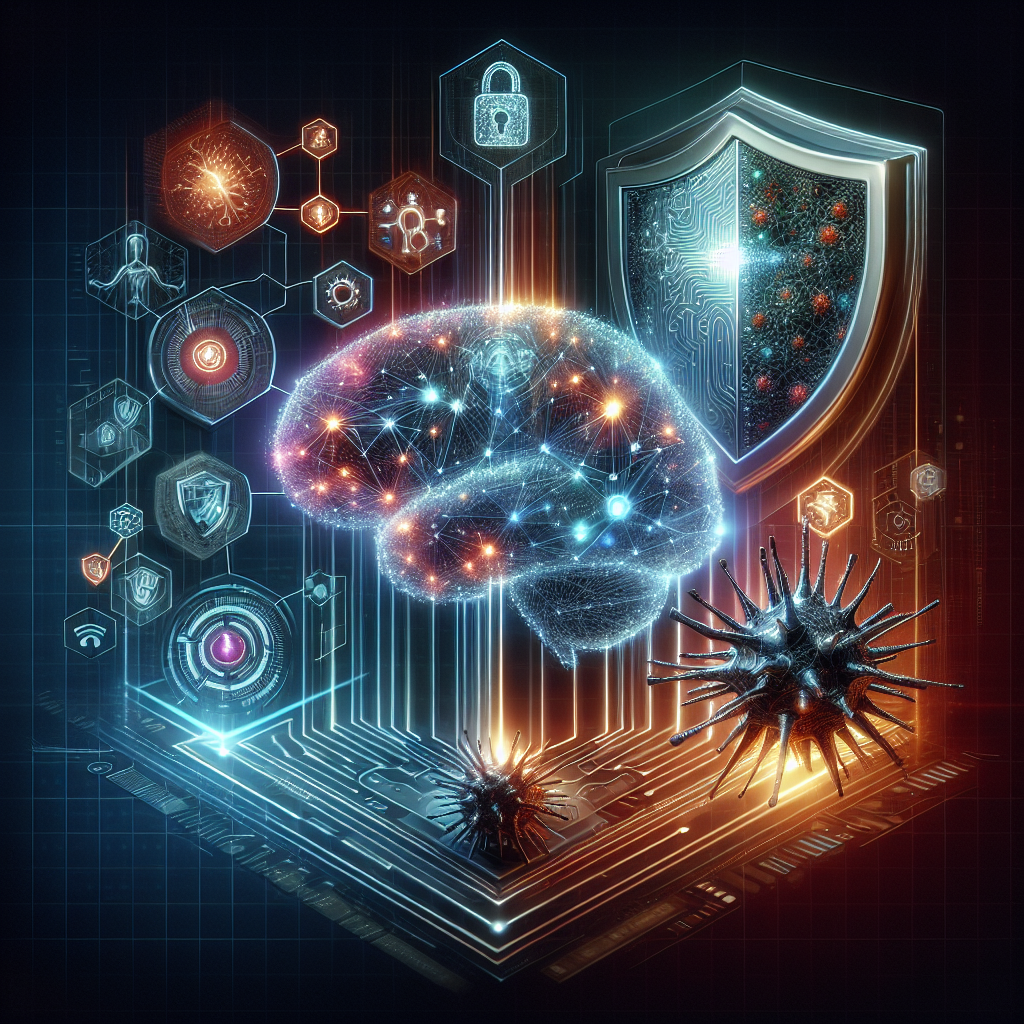
Technology has advanced rapidly over the years, and one of the most significant developments is the rise of artificial intelligence (AI). AI has revolutionized various industries, and cybersecurity is no exception. With the increasing number of cyber threats and attacks, organizations are constantly seeking ways to improve their security measures. This is where AI-driven cyber threat intelligence and predictive security come into play. In this blog post, we will delve into the world of AI-driven cyber threat intelligence and predictive security, exploring what they are and how they can benefit organizations in the fight against cyber threats.
Cyber threat intelligence (CTI) refers to the process of collecting, analyzing, and sharing information about potential cyber threats. It helps organizations to understand and mitigate potential risks to their systems and networks. On the other hand, AI is the simulation of human intelligence processes by machines, allowing them to learn, reason, and make decisions. So, what happens when these two powerful technologies are combined? AI-driven cyber threat intelligence is born.
AI-driven cyber threat intelligence is the use of AI algorithms and techniques to automate the process of collecting, analyzing, and sharing cyber threat intelligence. This process helps organizations to identify and respond to potential threats quickly and accurately. By leveraging AI, cyber threat intelligence becomes more efficient and effective, allowing organizations to stay one step ahead of cybercriminals.
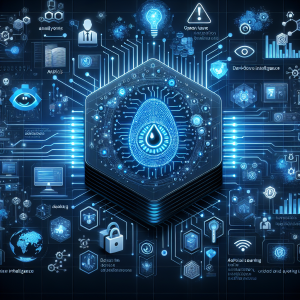
AI-driven cyber threat intelligence works by collecting vast amounts of data from various sources, including open-source intelligence, dark web sources, and internal security systems. This data is then fed into AI algorithms, which use machine learning techniques to identify patterns and anomalies. The algorithms can continuously learn and adapt, enabling them to identify new and emerging threats.
One of the significant benefits of AI-driven cyber threat intelligence is its ability to analyze data in real-time. By continuously monitoring and analyzing data, AI algorithms can detect and respond to threats faster than any human could. Additionally, AI can handle large volumes of data, making it ideal for detecting and responding to complex attacks.

Predictive security is the use of AI and machine learning algorithms to predict and prevent cyber attacks before they happen. These algorithms analyze data and detect patterns that could indicate a potential attack. By identifying these patterns, predictive security can take proactive measures to prevent the attack from occurring.
One way predictive security works is by analyzing user behavior. By monitoring user activity, the algorithms can identify any anomalies that could indicate a malicious actor attempting to gain access to the system. This allows the system to take preventive actions, such as flagging the user for additional authentication or blocking their access altogether.
The combination of AI-driven cyber threat intelligence and predictive security offers numerous benefits to organizations. First and foremost, it enables organizations to detect and respond to cyber threats in real-time, reducing the risk of a successful attack. Additionally, AI-driven cyber threat intelligence and predictive security can help organizations to be more proactive in their approach to cybersecurity.
Another significant benefit is the reduction of false positives. Traditional security systems often generate a large number of false positives, making it challenging to identify real threats. With AI-driven cyber threat intelligence and predictive security, the algorithms can filter out false positives, allowing security teams to focus on genuine threats.
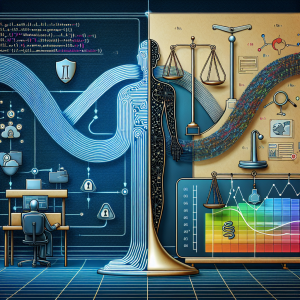
While AI-driven cyber threat intelligence and predictive security have numerous benefits, they also come with their fair share of challenges and limitations. One of the significant challenges is the potential for bias in the algorithms. If the data used to train the algorithms is biased, it can lead to inaccurate predictions and decisions.
Another limitation is the need for constant monitoring and updates. AI algorithms require regular updates and monitoring to ensure they are functioning correctly and detecting new threats. This can be a time-consuming and resource-intensive process for organizations.
In conclusion, AI-driven cyber threat intelligence and predictive security are powerful tools that organizations can use to enhance their cybersecurity measures. By leveraging AI, organizations can stay ahead of cyber threats and prevent attacks before they occur. However, it is crucial to address the challenges and limitations of these technologies to ensure their effectiveness. As technology continues to evolve, we can expect to see further advancements in AI-driven cyber threat intelligence and predictive security, making our digital world a safer place.