 Date: Apr 20 2026 - 11:58
- Updated: Apr 20 2026 - 11:59
Date: Apr 20 2026 - 11:58
- Updated: Apr 20 2026 - 11:59
 Category: Artificial Intelligence
In recent years, cloud-based work environments have become increasingly popular among businesses of all sizes. The convenience and flexibility of storing and accessing data in the cloud has made it an attractive option for many companies. However, with the rise of cyberattacks and data breaches, protecting corporate data in these environments has become a top priority. In this blog post, we will discuss the importance of safeguarding corporate data in cloud-based work environments and provide tips on how to do so effectively.
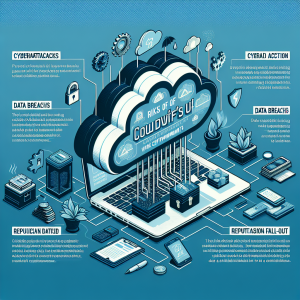
The first step in protecting corporate data in cloud-based work environments is understanding the potential risks involved. With data stored in the cloud, it is vulnerable to cyber-attacks, data breaches, and unauthorized access. This can result in the loss of sensitive information, financial loss, and damage to a company’s reputation. Additionally, the shared nature of the cloud means that if one organization’s data is compromised, it could potentially impact other businesses as well.

One of the most effective ways to protect corporate data in the cloud is by implementing strong authentication measures. This includes using multi-factor authentication, which requires users to provide multiple forms of identification before accessing data. This could include a password, security question, or bio-metric verification. By utilizing multi-factor authentication, even if a password is compromised, hackers would still need additional forms of identification to gain access to sensitive data.

Another crucial step in protecting corporate data in cloud-based work environments is encrypting the data. Encryption is the process of converting data into a code that can only be accessed with a specific key or password. This adds an extra layer of protection to sensitive information, making it unreadable to anyone without the proper access. Companies should ensure that all data stored in the cloud is encrypted, both while at rest and in transit.

In addition to implementing security measures, it is essential to regularly back up data stored in the cloud. This ensures that in the event of a cyber-attack or data breach, important information can be restored quickly. Companies should have a backup plan in place and regularly test their backups to ensure they are effective. It is also recommended to have backups stored in multiple locations, including physical storage and in the cloud, to prevent data loss in case of a disaster.

No matter how advanced the security measures are, they can be rendered useless if employees are not aware of potential risks and how to avoid them. It is crucial to educate employees on best practices for data security, such as creating strong passwords, recognizing phishing attempts, and avoiding suspicious links or emails. Regular training and communication about data security policies and procedures can go a long way in preventing data breaches.
Data is one of a company’s most valuable assets, and protecting it in cloud-based work environments is crucial. By understanding the risks, implementing strong authentication measures, encrypting data, regularly backing up data, and educating employees, businesses can ensure their sensitive information remains safe in the cloud. It is also essential to stay updated on the latest security measures and regularly review and update data security protocols to stay ahead of potential threats. With proper precautions and diligence, companies can confidently embrace the convenience and flexibility of cloud-based work environments without compromising the security of their corporate data.