 Date: Apr 20 2026 - 11:22
 Category: Artificial Intelligence
In today’s digital landscape, businesses are increasingly relying on cloud computing to store and access their data. With the rise of remote work and the need for flexible and scalable solutions, cloud technology has become an integral part of any organization’s infrastructure. However, as more sensitive data is being stored in the cloud, security concerns have also increased. This is where zero trust architecture comes into play.
Zero trust architecture is a security model that assumes that no user or device, whether internal or external, should be trusted by default. It requires continuous verification of user and device identity, as well as strict access controls and monitoring of all network traffic. In this blog post, we will discuss how zero trust architecture can strengthen cloud security, especially in hybrid environments where both on-premises and cloud resources are used.
Traditional network security models typically rely on a perimeter-based approach, where a firewall is used to protect the internal network from external threats. However, with the increasing use of cloud services and remote work, this approach is no longer effective. Zero trust architecture takes a different approach by assuming that every user and device is a potential threat, regardless of their location or network.
The core principles of zero trust architecture include:
– Identity verification: Users and devices are continuously verified before being granted access to resources.
– Least privilege access: Users are only given access to the resources they need to perform their job.
– Strict access controls: Access to resources is restricted based on the user’s identity, device security status, and location.
– Monitoring and analytics: All network traffic is monitored and analyzed for any suspicious activity.

In hybrid environments, where both on-premises and cloud resources are used, the traditional security model can be even more challenging to manage. With multiple entry points and potential vulnerabilities, it becomes crucial to have a comprehensive security solution in place. This is where zero trust architecture shines.
By implementing zero trust architecture, organizations can ensure that all resources, whether on-premises or in the cloud, are protected using the same standards and protocols. This provides a consistent level of security and minimizes the risk of any potential breaches.
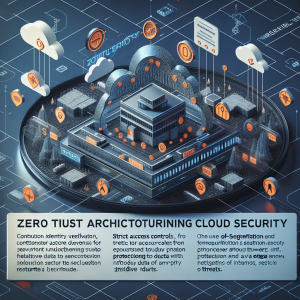
One of the main advantages of zero trust architecture is its ability to strengthen cloud security. As mentioned earlier, this model requires continuous identity verification and strict access controls, making it difficult for unauthorized users to gain access to sensitive data. It also reduces the risk of insider threats, as all users, including employees, are subject to the same security measures.
Additionally, zero trust architecture allows for more granular control over access to cloud resources. With the use of micro-segmentation, organizations can divide their network into smaller segments and apply specific security policies to each one. This not only adds an extra layer of security but also makes it easier to identify and contain any potential threats.

Implementing zero trust architecture in a hybrid environment requires a combination of tools and technologies. Some of the key components include:
– Identity and access management (IAM) solutions: These tools help manage user identities and provide authentication and authorization mechanisms.
– Network segmentation: As mentioned earlier, dividing the network into smaller segments allows for more granular control over access to resources.
– Multi-factor authentication (MFA): MFA adds an extra layer of security by requiring users to provide additional credentials, such as a one-time code, before gaining access to resources.
– Encryption: Encrypting data in transit and at rest adds an additional layer of protection against unauthorized access.
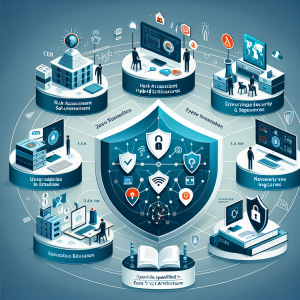
To successfully implement zero trust architecture in a hybrid environment, organizations should follow these best practices:
– Conduct a thorough risk assessment to identify potential vulnerabilities and prioritize security measures accordingly.
– Implement a strong IAM solution to manage user identities and access to resources.
– Continuously monitor and analyze network traffic for any suspicious activity.
– Regularly update and patch all systems and devices to ensure they are not vulnerable to attacks.
– Provide regular training and education to employees on cybersecurity best practices.
– Consider working with a trusted cloud service provider that has experience in implementing zero trust architecture.
In conclusion, zero trust architecture is a powerful security model that can significantly strengthen cloud security in hybrid environments. By continuously verifying user and device identity, enforcing strict access controls, and monitoring network traffic, organizations can reduce the risk of data breaches and insider threats. As cloud technology continues to evolve, it is essential for businesses to adopt a zero trust approach to protect their valuable data and maintain the trust of their customers.