 Date: Aug 11 2025 - 11:59
 Category: Trojans
 Tags: industrialIOT, internetofthings, IOT

Technology has been advancing at an incredibly rapid pace, with new innovations emerging almost every day. One of the most exciting developments in recent years has been the rise of the Industrial Internet of Things (IIoT). This refers to the integration of internet-connected devices in industrial processes, allowing for real-time data collection and analysis.IIoT has the potential to revolutionize industries such as manufacturing, transportation, and energy, increasing efficiency and productivity. However, with this innovation also comes a significant amount of risk. In this blog post, we will explore the intersection of innovation and risk in IIoT and discuss what can be done to mitigate these risks.

Before we dive into the risks associated with IIoT, let’s first define what it is. IIoT refers to the use of internet-connected devices, such as sensors, actuators, and controllers, in industrial processes.
These devices collect data and communicate with each other and with centralized systems, allowing for real-time monitoring and control. This technology enables industries to optimize their operations, reduce downtime, and make data-driven decisions.
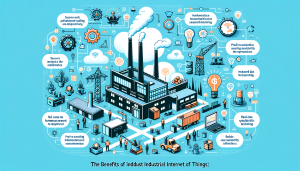
The potential benefits of IIoT are numerous and significant. By using sensors to collect data on equipment and processes, industries can monitor their performance and identify areas for improvement. This can lead to increased efficiency, reduced downtime, and cost savings. IIoT also allows for predictive maintenance, where potential issues can be detected and addressed before they become larger problems.
Additionally, the real-time data provided by IIoT can help with supply chain management, inventory tracking, and quality control. Overall, IIoT has the potential to greatly improve the productivity and profitability of industries.

While the benefits of IIoT are clear, there are also significant risks associated with this technology. One of the main concerns is cybersecurity. With the increased connectivity of devices, there is a higher risk of cyber attacks. Hackers may try to gain access to industrial systems to steal sensitive data, disrupt operations, or even cause physical damage.
As IIoT devices are often connected to critical infrastructure, the consequences of a cyber attack can be severe.
Another risk is the potential for equipment failure. IIoT relies on devices to collect and transmit data, and if these devices malfunction or fail, it can lead to incorrect data being sent to centralized systems. This can result in decisions being made based on faulty information, which can have serious consequences.

So how can we address these risks and ensure the safe and effective use of IIoT? The first step is to prioritize cybersecurity. This means implementing strong security measures, such as firewalls, encryption, and access controls, to protect IIoT devices and systems from cyber attacks. Regular security audits and updates are also crucial to stay ahead of potential threats.
Another way to mitigate risk is through redundancy. This means having backup systems in place in case of equipment failure. If one IIoT device fails, there should be another one to take its place to ensure continuous data collection and transmission.
Additionally, proper training and education for employees are essential. As IIoT becomes more prevalent in industries, employees need to be aware of the risks and how to mitigate them. This includes being cautious about clicking on suspicious links or opening emails from unknown senders, as these can be methods used by hackers to gain access to systems.

Despite the risks, the future of IIoT looks promising. As technology continues to advance, we can expect to see even more innovation in this area. However, it’s crucial that we prioritize cybersecurity and risk mitigation to fully realize the potential of IIoT. This means continually updating and adapting security measures as new threats emerge.
Another aspect to consider is the ethical implications of IIoT. With the collection of vast amounts of data, there is a risk of privacy violations. It’s important for industries to be transparent about the data they collect and how it is used to maintain trust with consumers and avoid potential legal issues.
Industrial IoT has the potential to bring about significant improvements in industries, but it also comes with a considerable amount of risk. It’s crucial that these risks are addressed and mitigated to ensure the safe and effective use of this technology. By prioritizing cybersecurity, implementing redundancy measures, and providing proper training and education, we can harness the power of IIoT while minimizing the associated risks. With careful consideration and proactive measures, we can create a more efficient and connected industrial landscape.