 Date: Aug 19 2025 - 12:10
 Category: DDoS
 Tags: DDosattacks

In today’s digital landscape, businesses and organizations rely heavily on the internet for various purposes such as communication, transactions, and data storage. However, this increased reliance on the internet has also made these entities vulnerable to cyber attacks, one of the most common being DDoS attacks. DDoS, short for Distributed Denial of Service, is a type of cyber attack where a network or website is flooded with excessive traffic, causing it to crash or become inaccessible to legitimate users. These attacks can result in significant financial loss, damage to reputation, and disruption of services. In this blog post, we will discuss the top 7 strategies to prevent and mitigate DDoS attacks.

The first step to preventing and mitigating DDoS attacks is to understand the different types of attacks. The most common types of DDoS attacks include volumetric attacks, protocol attacks, and application layer attacks.
– Volumetric attacks: These attacks flood the network or website with a large volume of traffic, overwhelming the system’s capacity and causing it to crash.
– Protocol attacks: These attacks exploit vulnerabilities in the network protocols, such as TCP, UDP, and ICMP, to disrupt communication and bring down the network.
– Application layer attacks: These attacks target the application layer of the network, such as HTTP or DNS, by sending a large number of requests, resulting in the application becoming unresponsive or crashing.
Understanding the different types of DDoS attacks can help businesses and organizations prepare and implement effective strategies to prevent and mitigate them.

Conducting regular risk assessments can help identify potential vulnerabilities in the network or website, making it easier to prevent DDoS attacks. These assessments can involve testing the network’s resilience to different types of attacks, identifying potential entry points for attackers, and reviewing the overall security measures in place.
Based on the results of these assessments, businesses and organizations can take necessary actions, such as implementing additional security measures or upgrading their network infrastructure, to prevent and mitigate DDoS attacks.

One of the most effective strategies to prevent and mitigate DDoS attacks is to deploy DDoS protection solutions. These solutions use advanced techniques, such as traffic filtering, rate-limiting, and behavioral analysis, to detect and mitigate DDoS attacks in real-time.
They can also help businesses and organizations maintain normal operations during an attack, ensuring minimal disruption to services. It is essential to choose a DDoS protection solution that can handle different types of attacks and can quickly scale up to handle large volumes of traffic.
style=”float: left; margin: 0 20px 20px 0; width: 500px; height: auto; border-radius: 8px;” />
Network segmentation is the process of dividing a network into smaller segments or subnets, making it more challenging for attackers to gain access to the entire network. This strategy can help contain the impact of a DDoS attack by limiting it to a specific segment of the network.
It also allows for better control and management of network traffic, making it easier to identify and block malicious traffic in the event of an attack.
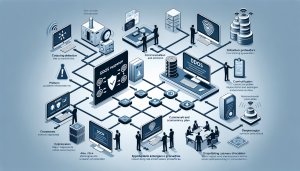
Having a DDoS response plan in place is crucial for minimizing the impact of an attack. This plan should outline the steps to be taken in the event of a DDoS attack, such as contacting the DDoS protection provider, alerting relevant stakeholders, and implementing emergency procedures to mitigate the attack.
It should also include a communication plan to keep customers and stakeholders informed about the situation and any potential disruptions to services.
DDoS attacks are a constant threat to businesses and organizations, and their impact can be devastating. However, by understanding the different types of DDoS attacks, conducting regular risk assessments, deploying DDoS protection solutions, implementing network segmentation, and having a well-defined response plan, businesses and organizations can effectively prevent and mitigate these attacks. It is essential to stay vigilant and regularly review and update these strategies to stay ahead of evolving cyber threats.