 Date: Aug 21 2025 - 10:17
 Category: Personal identity attacks
 Tags: identityattacks, multifactorauthentication
In the ever-evolving landscape of technology and data security, the concept of protecting one’s identity has become a top priority for individuals and organizations alike. With the rise of cybercrime and data breaches, it’s no longer enough to simply have a strong password to protect your online accounts. This is where multi-factor authentication (MFA) comes into play. MFA is a security process that requires users to provide two or more forms of identification to access their accounts. But with advanced hacking techniques and the increasing prevalence of data breaches, the question arises: is multi-factor authentication still enough to protect identity? In this blog post, we will explore the effectiveness of MFA and whether it is still a reliable method for securing our digital identities.
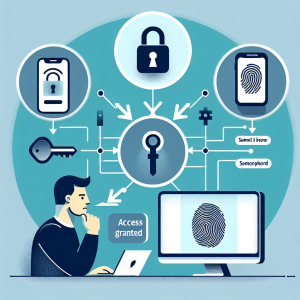
Before delving into the effectiveness of MFA, it’s important to understand what it is and how it works. In simple terms, MFA is a security measure that requires users to provide two or more forms of identification to access their accounts.
These factors can include something you know (password or PIN), something you have (smartphone or security token), or something you are (biometric data like fingerprint or facial recognition). This added layer of security aims to prevent unauthorized access to sensitive information by requiring multiple forms of verification.

MFA has proven to be an effective method for protecting online accounts. According to a study by Microsoft, enabling MFA can prevent 99.9% of automated attacks on accounts. This is because even if a hacker manages to obtain one factor of authentication, they still need to bypass the additional layers to gain access.
For example, if a hacker obtains your password through a data breach, they would still need to have your smartphone or access to your biometric data to log into your account.
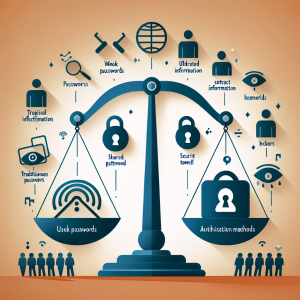
While MFA is generally a reliable security measure, there are certain factors that can impact its effectiveness. One of the main factors is human error. Despite the added security, MFA still relies on users to properly set up and use the authentication methods. This can include using weak or easily guessable passwords, forgetting to update smartphone numbers or security tokens, or even sharing authentication methods with others. These actions can make MFA vulnerable to attacks and compromise the security of the account.
Another factor to consider is the type of authentication methods used. While biometric data is considered to be more secure than traditional passwords, it is not foolproof. Hackers have found ways to bypass biometric scanners, and in some cases, they can even replicate fingerprints or facial features. Additionally, if a user’s biometric data is compromised, it cannot be changed like a password, making it a potential security risk.
Unfortunately, as technology advances, so do hacking techniques. The rise of sophisticated hacking tools and methods has made it more challenging to secure online accounts, even with MFA in place.
For example, hackers can use social engineering tactics to trick users into providing their authentication methods or use keyloggers to obtain passwords and bypass MFA. Furthermore, data breaches have become more common, exposing sensitive information and authentication methods, making it easier for hackers to gain access to accounts.
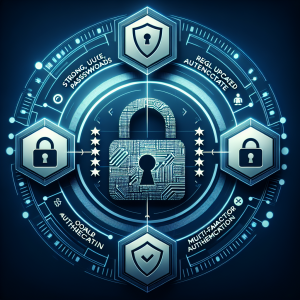
While MFA is still an effective method for protecting identity, it should not be the only line of defense. To ensure maximum protection, it’s crucial to follow other security best practices, such as using strong and unique passwords for each account, regularly updating passwords, and enabling two-factor authentication (2FA) whenever possible.
2FA is similar to MFA but only requires two forms of authentication, typically a password and a one-time code sent to a phone or email. This added layer of security can prevent hackers from accessing an account with just a stolen password.
In conclusion, multi-factor authentication is still a reliable method for protecting identity, but it is not infallible. It’s crucial to understand the factors that can impact its effectiveness and to follow other security best practices to ensure maximum protection. As technology continues to advance, we can expect to see further advancements in hacking techniques, making it essential to stay vigilant and take proactive measures to secure our digital identities. MFA is an important piece of the puzzle, but it should not be relied upon as the sole method of protection. By staying informed and implementing multiple layers of security, we can better protect ourselves from potential cyber threats.