 Date: Aug 29 2025 - 07:10
 Category: Data Management
 Tags: enterprisesecurity, Malware, threats
In today’s digital world, businesses rely heavily on technology to conduct their day-to-day operations. From storing sensitive data to communicating with clients, technology has become an integral part of running a successful business. However, with the increasing use of technology, comes the threat of viruses and malware. These malicious programs can wreak havoc on a business’s operations and compromise the security of their sensitive information.
In this blog post, we will discuss the importance of enterprise security and how businesses can protect themselves from viruses and malware. We will explore different types of threats and provide practical tips for keeping your business safe.
Before we dive into how to protect your business from viruses and malware, it’s essential to understand what these threats are and how they can harm your business.
Viruses are malicious programs that can replicate themselves and spread from one computer to another. They can corrupt or delete files, slow down your computer’s performance, and even steal sensitive information. On the other hand, malware is a broader term that encompasses various malicious programs, such as spyware, ransomware, and Trojans. These programs can also cause significant damage to a business’s operations and reputation.
Cybercriminals use viruses and malware to target businesses for financial gain, political motives, or simply to cause chaos. They often exploit vulnerabilities in a business’s security systems to gain access to their sensitive information, such as customer data, financial records, and intellectual property.

As the saying goes, prevention is better than cure, and this holds true for enterprise security. Many businesses make the mistake of overlooking the importance of having robust security measures in place until they fall victim to a cyber attack. The consequences of a security breach can be devastating and can result in financial losses, damaged reputation, and even legal consequences.
Having a strong enterprise security system can protect your business from these threats and give you peace of mind knowing that your sensitive information is safe. It also helps you comply with data protection regulations and build trust with your customers, who expect their data to be kept secure.
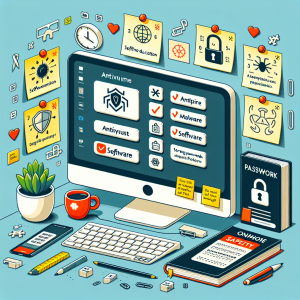
Now that we understand the threats and the importance of enterprise security let’s explore some practical tips for protecting your business from viruses and malware.
1. Install Antivirus and Anti-Malware Software: The first line of defense against viruses and malware is having reliable antivirus and anti-malware software installed on all your devices. These programs can detect and remove malicious programs before they can cause any harm.
2. Keep Your Software Updated: Cybercriminals often exploit vulnerabilities in outdated software to gain access to a business’s systems. It’s crucial to regularly update your operating system and all software applications to the latest versions to patch these vulnerabilities.
3. Use a Firewall: A firewall acts as a barrier between your internal network and the internet, filtering out potentially malicious traffic. It’s an essential component of a business’s security system and should be enabled on all devices.
4. Educate Your Employees: Many cyber attacks are a result of human error, such as clicking on a malicious link or downloading an infected file. It’s crucial to educate your employees on best practices for staying safe online, such as being cautious of suspicious emails and not sharing sensitive information.
5. Implement Strong Password Policies: Weak passwords are a significant security risk for businesses. It’s essential to have a strong password policy in place, requiring employees to use complex passwords and change them regularly.
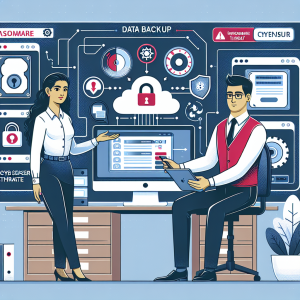
In the event of a security breach or a ransomware attack, having a backup of your data can save your business from significant losses.
It’s crucial to regularly back up all your important data and store it in a secure location, either on the cloud or an external hard drive. This way, if your data is compromised, you can easily restore it without paying a ransom.

For many businesses, managing their security systems can be challenging and time-consuming. In such cases, it’s worth considering outsourcing your security needs to a managed security service provider (MSSP).
These providers have the expertise and resources to manage your security systems, keep them up to date, and monitor for any potential threats.
In conclusion, protecting your business from viruses and malware should be a top priority for any organization. By understanding the threats, implementing robust security measures, and regularly backing up your data, you can safeguard your business from potential cyber attacks. Remember, prevention is key, and investing in enterprise security can save your business from significant losses and damage to its reputation. So, take the necessary steps to secure your business and stay one step ahead of cybercriminals.