 Date: Feb 19 2026 - 11:27
- Updated: Feb 19 2026 - 11:30
Date: Feb 19 2026 - 11:27
- Updated: Feb 19 2026 - 11:30
 Category: Data Center
 Tags: AI, AIOPS, Artificial Intelligence, datacenter, enterpriseIT, IT, IToperations
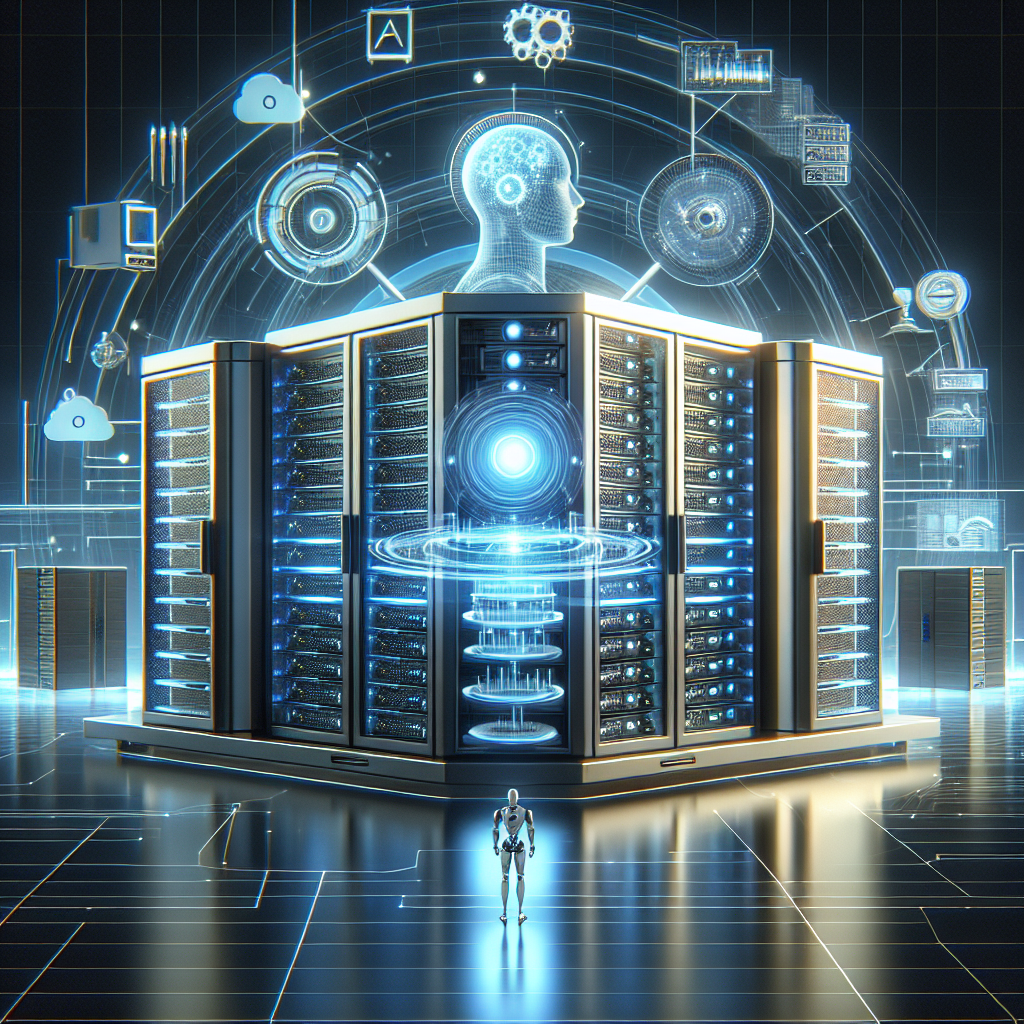
Technology is constantly evolving, and this is especially true in the world of enterprise IT. As businesses become more reliant on digital processes and data, the demand for efficient and reliable IT infrastructure continues to grow. In response to this, the concept of autonomous data centers has emerged as a potential solution for the future of enterprise IT. But what exactly are autonomous data centers, and can they truly revolutionize the way businesses manage their IT operations? In this blog post, we will delve into the world of autonomous data centers and explore whether they are indeed the future of enterprise IT.
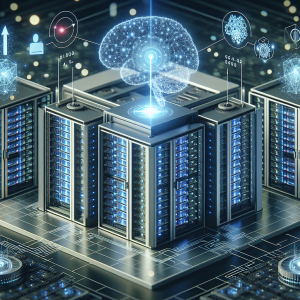
An autonomous data center, also known as a self-driving data center, is a fully automated and self-managing data center. It uses artificial intelligence (AI), machine learning (ML), and other advanced technologies to optimize and manage its operations without the need for human intervention. This means that the data center can dynamically adjust its resources, monitor its own performance, and make decisions based on real-time data, all without the need for human input.
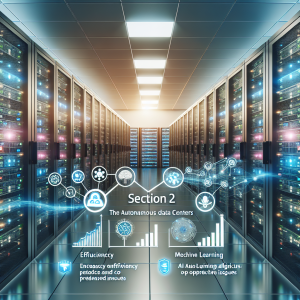
The primary benefit of autonomous data centers is the potential for increased efficiency. By automating routine tasks and optimizing resource usage, autonomous data centers can operate more efficiently and effectively. This translates to cost savings for businesses, as they no longer need to invest in manual labor to manage their data centers. Additionally, the use of AI and ML can help predict and prevent potential issues, leading to increased reliability and reduced downtime.
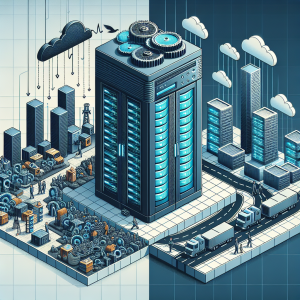
Another advantage of autonomous data centers is their ability to scale and adapt to changing business needs. With traditional data centers, businesses often face challenges when it comes to scaling up or down their infrastructure to meet changing demands. This can result in wasted resources or inadequate capacity, both of which can be costly. However, with autonomous data centers, resource allocation can be dynamically adjusted in real-time, allowing for greater scalability and flexibility.

Data security is a top concern for any business managing sensitive information. Autonomous data centers can provide an extra layer of security through their advanced automation and self-monitoring capabilities. With AI and ML constantly analyzing data and detecting anomalies, potential security threats can be identified and addressed promptly. This reduces the risk of data breaches and ensures that businesses can maintain the confidentiality, integrity, and availability of their data.
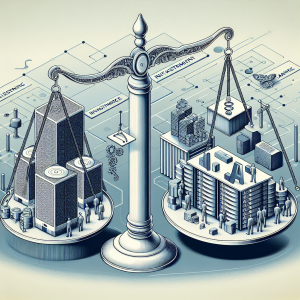
While the concept of autonomous data centers may sound promising, there are still some challenges and considerations to keep in mind. For one, the implementation of an autonomous data center requires a significant initial investment in infrastructure and technology. Not all businesses may have the resources to make such a large upfront investment. Additionally, the use of AI and ML may also raise concerns about job displacement for IT professionals who are currently responsible for managing data centers.
In conclusion, autonomous data centers have the potential to revolutionize the way businesses manage their IT infrastructure. With advanced automation and self-management capabilities, they offer increased efficiency, scalability, flexibility, and security. However, there are still challenges and considerations to address before autonomous data centers become the norm in enterprise IT. As technology continues to advance, it will be interesting to see how autonomous data centers evolve and whether they truly become the future of enterprise IT.