 Date: Mar 10 2026 - 08:41
- Updated: Apr 06 2026 - 09:47
Date: Mar 10 2026 - 08:41
- Updated: Apr 06 2026 - 09:47
 Category: Artificial Intelligence
The rise of remote work has been a major shift in the way companies operate. With the advancements in technology and the changing work culture, more and more employees are now able to work from the comfort of their own homes. While this has brought about many benefits for both employees and employers, it has also raised concerns about cybersecurity.
In this blog post, we will discuss how remote work is reshaping enterprise cyber-security and the challenges and solutions that come with it.
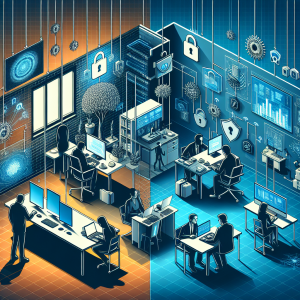
The first and most obvious impact of remote work on cyber-security is the increased vulnerability of company networks. With employees working from different locations and using various devices, the traditional perimeter-based security approach is no longer effective.
Employees may be using their personal devices, which may not have the same level of security as company-issued devices. They may also be connecting to public Wi-Fi networks, which are notorious for being vulnerable to cyber attacks. This makes it easier for hackers to gain access to sensitive company data.

Another significant challenge with remote work is the lack of control and visibility over employee devices and activities. In a traditional office setting, IT teams have direct control over the devices used by employees and can monitor and manage them to ensure they are secure.
However, with remote work, employees are using their own devices and may not be as vigilant about security measures. They may also be accessing company data through unsecured networks or sharing sensitive information through personal email or cloud storage. This lack of control and visibility makes it difficult for IT teams to protect company data and systems.

Phishing and social engineering attacks have always been a threat to cyber-security, but they have become even more prevalent with the rise of remote work. With employees working from home, they may be more susceptible to falling for phishing scams or social engineering tactics.
Hackers can target remote workers through various means, such as fake emails or social media messages, to gain access to company networks and data. With employees working from home, they may also be more distracted, making them more likely to click on malicious links or provide sensitive information.
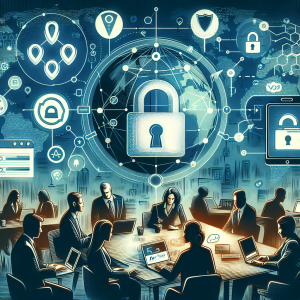
To address the challenges of remote work on cybersecurity, companies need to implement solutions that go beyond traditional perimeter-based security. Here are some strategies that can help safeguard company data and systems in a remote work environment:
Zero Trust is a security model that assumes all devices and users are un-trusted, and access to resources is granted on a least-privilege basis. This approach is especially crucial in a remote work setting, where employees are accessing company data and systems from various locations and devices.
Multi-factor authentication is an essential security measure that can help prevent unauthorized access to company resources. By requiring employees to provide additional verification, such as a code sent to their phone, it adds an extra layer of security to protect against cyber attacks.
Companies can use Virtual Private Networks (VPNs) to provide secure remote access to company networks. VPNs encrypt all data transmitted between the employee’s device and the company network, making it difficult for hackers to intercept sensitive information.
It is crucial to educate employees on cybersecurity best practices, especially when working remotely. Companies should conduct regular training sessions to raise awareness about potential threats and how to spot and avoid them.
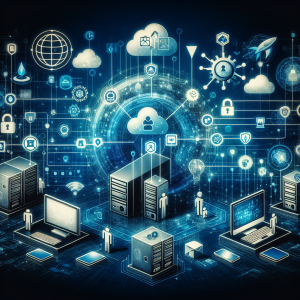
The shift to remote work is not just a temporary trend; it is here to stay. Even after the pandemic is over, many companies have announced plans to continue offering remote work options. This means that cyber-security strategies and solutions need to adapt to accommodate this new way of working.
One solution that is gaining popularity is the use of Virtual Desktop Infrastructure (VDI). VDI allows employees to access a virtual desktop environment from any device, making it easier for IT teams to control and secure company data and systems. As technology continues to evolve, we can expect to see more innovative solutions to address the challenges of remote work on cybersecurity.
Remote work has undoubtedly reshaped enterprise cybersecurity, posing new challenges for companies. With employees working from different locations and using various devices, traditional security measures are no longer sufficient.
With the right strategies and solutions, companies can protect their data and systems from cyber attacks and ensure the security of their remote workforce. As remote work becomes the new norm, it is essential for companies to stay vigilant and adapt to the changing cybersecurity landscape.