 Date: Apr 20 2026 - 11:25
 Category: Artificial Intelligence
In recent years, the use of artificial intelligence (AI) chatbots in enterprise support has become increasingly popular. These chatbots are computer programs designed to simulate conversation with human users, providing automated responses to inquiries and tasks. They have proven to be a valuable tool for streamlining customer service, reducing response times, and improving overall customer satisfaction.
However, successfully implementing AI chatbots in enterprise support requires careful planning and execution. In this blog post, we will discuss the best practices for implementing AI chatbots in enterprise support to ensure a smooth and effective integration.
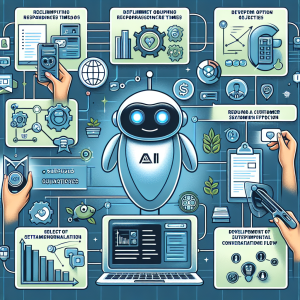
The first step in implementing AI chatbots in enterprise support is to clearly define your objectives. What do you hope to achieve by incorporating chatbots into your customer service strategy? Is it to reduce response times, improve customer satisfaction, or increase efficiency?
Having a clear understanding of your objectives will help you determine the features and capabilities your chatbot should have. This will also guide you in selecting the right chatbot platform and developing its conversational flow.
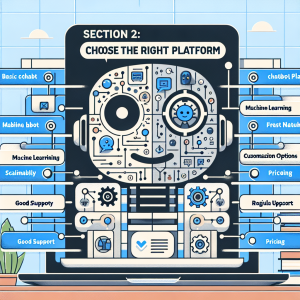
There are various chatbot platforms available, each with its own set of features and capabilities. It is essential to select the right platform that aligns with your objectives and integrates well with your existing systems. Some platforms offer basic chatbot functionalities, while others provide more advanced features such as machine learning and natural language processing.
Consider factors such as scalability, customization options, and pricing when choosing a platform. It is also crucial to select a platform that offers good support and regular updates to ensure your chatbot remains functional and up-to-date.

Once you have selected a platform, the next step is to train your chatbot. This involves creating a conversational flow and providing it with a database of responses to different user inquiries. The more data you provide, the more accurate and effective your chatbot will be.
It is essential to continuously monitor and update your chatbot’s training data to improve its performance. This will ensure that it can handle a wide range of inquiries and provide accurate responses.
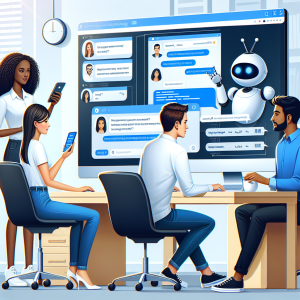
Before launching your chatbot to the public, it is crucial to thoroughly test its capabilities to identify any issues or limitations. This can be done through beta testing with a select group of users or using simulated conversations.
Based on the results of the testing, you can refine and improve your chatbot’s conversational flow and responses. This will help ensure that your chatbot is ready to handle real-life interactions with customers.
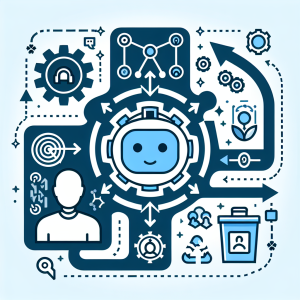
While AI chatbots can handle a wide range of inquiries and tasks, there will be instances where a human touch is necessary. It is essential to have a seamless integration between your chatbot and human support to provide a smooth transition for customers.
This can be achieved by setting up rules and triggers that determine when a conversation should be escalated to a human agent. It is also crucial to have a system in place for human agents to provide feedback and improve the chatbot’s training data.
In conclusion, implementing AI chatbots in enterprise support requires careful planning, choosing the right platform, training, testing, and integration with human support. By following these best practices, you can ensure a successful integration that will streamline your customer service, increase efficiency, and improve customer satisfaction. Remember to continuously monitor and update your chatbot to keep it functioning effectively and meeting your objectives. With the right approach and execution, AI chatbots can be a valuable asset for any enterprise support team.