 Date: Jul 30 2025 - 11:45
- Updated: Jul 30 2025 - 11:46
Date: Jul 30 2025 - 11:45
- Updated: Jul 30 2025 - 11:46
 Category: 5G
 Tags: 5G, IToperations
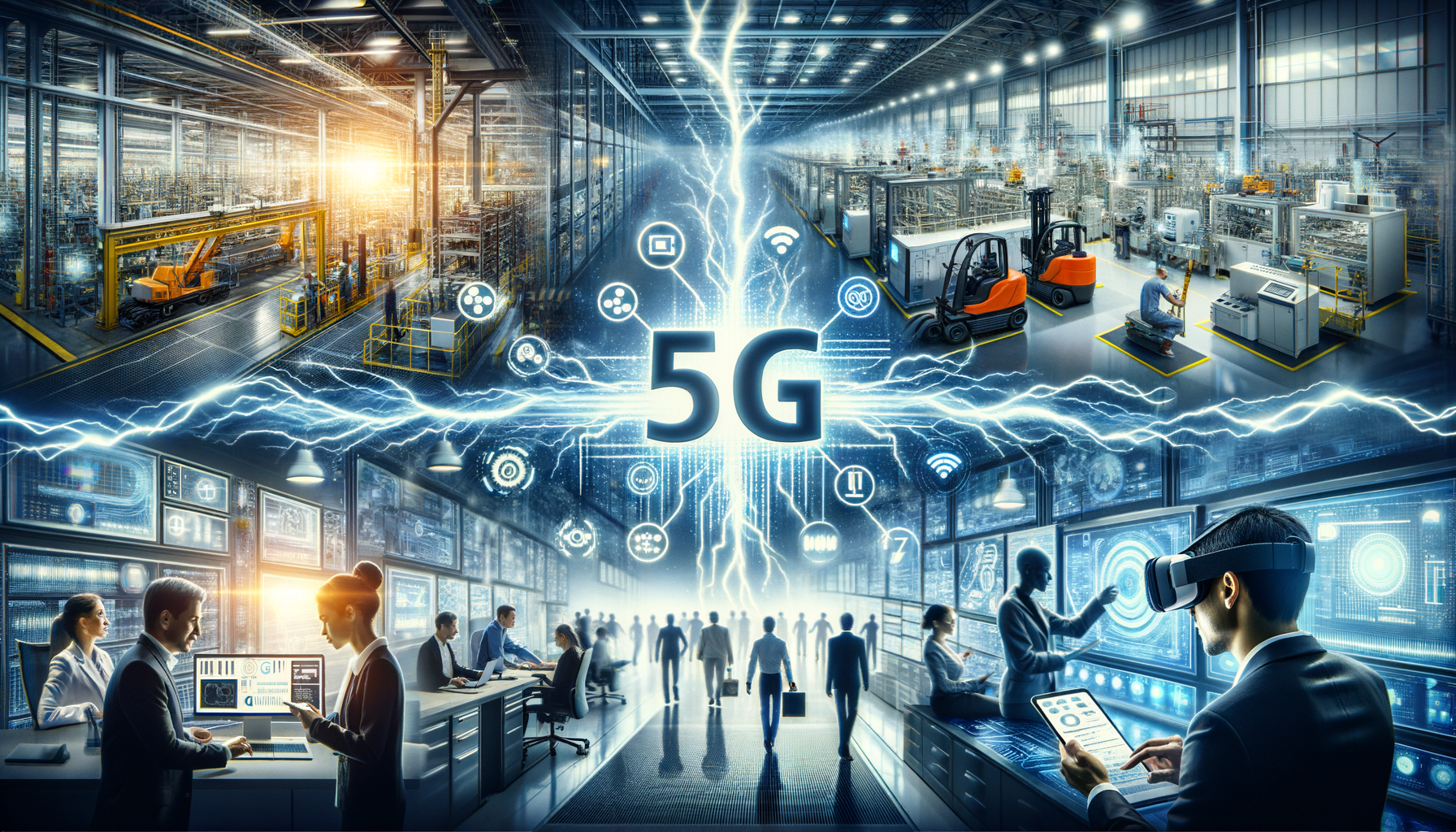
The world is rapidly moving towards a more connected and digital future, and 5G technology is at the forefront of this transformation. With its lightning-fast speeds, low latency, and high capacity, 5G is set to revolutionize the way we live, work, and do business. One of the areas where 5G is making a significant impact is in IT operations across industries. In this blog, we will explore how 5G is transforming IT operations and its implications for businesses.
 Before we dive into the impact of 5G on IT operations, let’s first understand what 5G is. 5G, short for the fifth generation of wireless technology, is the latest and most advanced cellular network technology. It is a significant upgrade from its predecessor, 4G, and promises to deliver faster speeds, lower latency, and higher capacity.
With 5G, data can be transmitted at speeds of up to 20 gigabits per second, which is 20 times faster than 4G. This high-speed connectivity is made possible by using a higher frequency band, which can carry more data at a faster rate.
 One of the most significant benefits of 5G is its enhanced connectivity and communication capabilities. With its high-speed and low latency, 5G enables real-time communication between devices and systems. This means that IT operations can be carried out more efficiently and effectively, with minimal delays.
For instance, in the healthcare industry, 5G can facilitate remote surgeries and allow doctors to monitor patients in real-time. In the manufacturing sector, 5G can enable machines to communicate with each other, leading to more efficient and autonomous production processes.

The high-speed connectivity of 5G also translates into improved efficiency and productivity for businesses. 5G can enable faster data transfer, allowing for quicker decision-making and problem-solving.
This is especially beneficial for IT operations that involve handling large volumes of data, such as data analysis, cloud computing, and artificial intelligence. With 5G, these operations can be carried out in a fraction of the time it would take with 4G. As a result, businesses can save time and resources, leading to increased productivity and cost savings.
 5G is a game-changer for the Internet of Things (IoT) and edge computing. With its high-speed connectivity and low latency, 5G can support a massive number of connected devices, making it ideal for IoT applications.
This means that businesses can collect and analyze real-time data from their devices and use it to make informed decisions. Additionally, 5G can facilitate edge computing, where data is processed and analyzed at the edge of the network, rather than in a centralized cloud.
This can significantly reduce latency, making it ideal for applications that require real-time data processing, such as autonomous vehicles and smart cities.
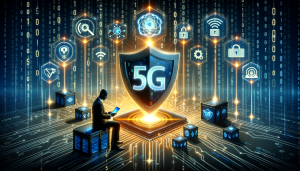 Another area where 5G is transforming IT operations is in security and reliability. 5G networks are designed to be more secure than 4G networks, with built-in encryption and authentication features.
This means that businesses can transmit sensitive data over 5G networks, such as financial transactions and confidential business information, without worrying about security breaches.
Additionally, 5G networks are more reliable, with better coverage and less downtime, which is crucial for critical IT operations that require constant connectivity.
In conclusion, 5G is transforming IT operations across industries, enabling faster and more efficient processes, improved productivity, and enhanced connectivity and communication.
With its high-speed and low latency, 5G is paving the way for innovations such as IoT, edge computing, and autonomous systems, which will revolutionize the way we do business.
As 5G continues to roll out globally, we can expect to see even more significant transformations in IT operations, leading to a more connected and digital future. Embracing 5G technology is crucial for businesses that want to stay competitive and thrive in the ever-evolving digital landscape.