 Date: Jun 16 2026 - 12:28
 Category: Artificial Intelligence
 Tags: AI, Ai in insurance, Artificial Intelligence, Claims Processing, frauddetection, Insurance Technology, machinelearning, Risk Assessment
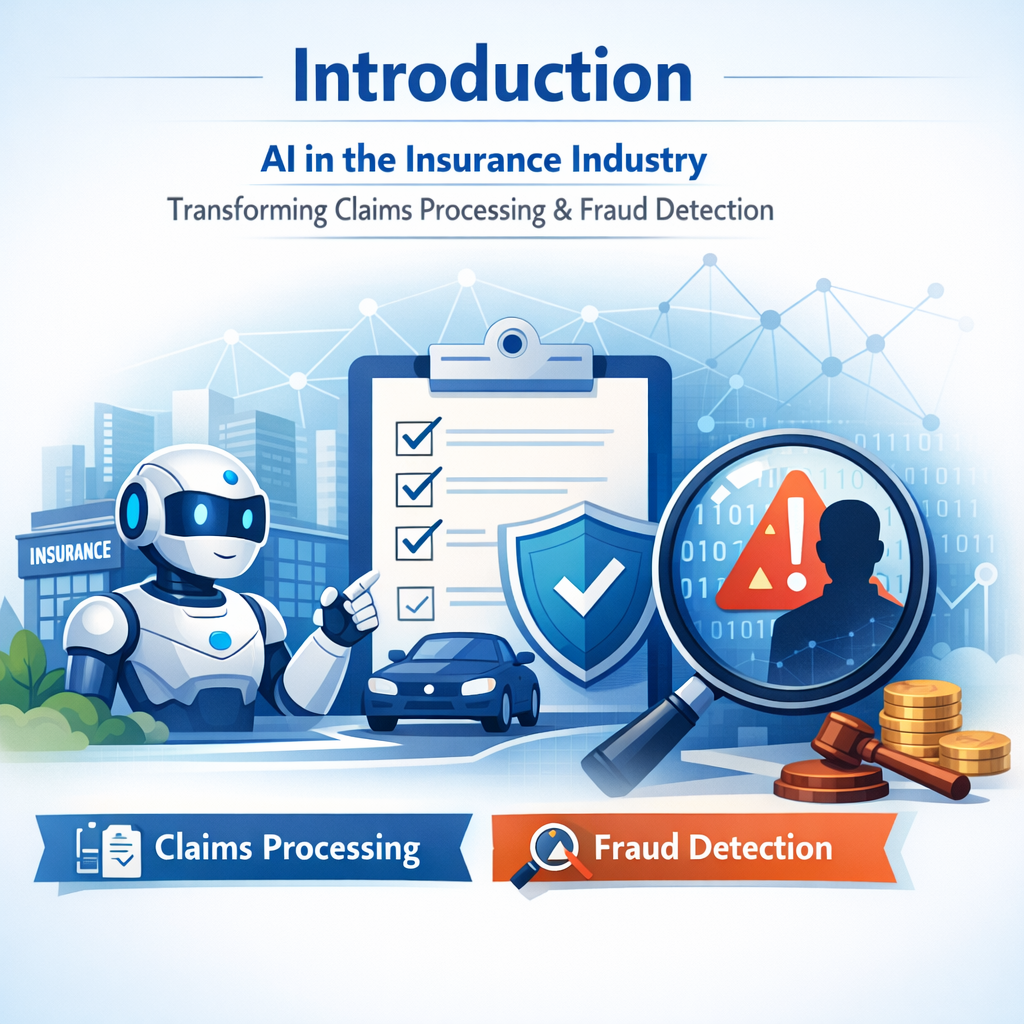
AI, or artificial intelligence, has been making its way into various industries, and the insurance industry is no exception. With the advancement of technology, insurance companies are turning to AI to streamline their processes, improve efficiency, and reduce costs.
One area where AI has proved to be particularly useful is in claims processing and fraud detection. In this blog post, we will explore how AI is being used in the insurance industry for these purposes.
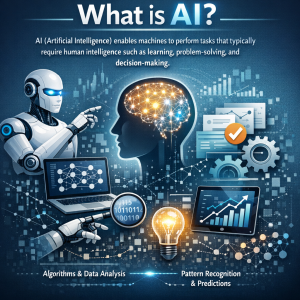
Before we dive into the specifics of AI in insurance, let’s first understand what AI actually is. AI is a broad term that encompasses a wide range of technologies and techniques that enable machines to perform tasks that typically require human intelligence.
This can include tasks such as learning, problem-solving, decision-making, and more. AI systems use algorithms and data to analyze and learn from patterns and make predictions or decisions based on that information.
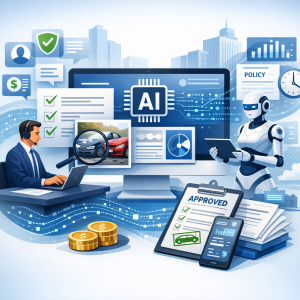
Claims processing is a crucial aspect of the insurance industry. It involves the evaluation and settlement of claims made by policyholders. In the past, claims processing has been a manual and time-consuming process, often leading to delays and errors. However, with the use of AI, this process has become much more efficient and accurate.
AI-powered claims processing systems can analyze large amounts of data, including customer information, policy details, and historical claims data, to determine the validity and severity of a claim. This analysis is done in a matter of seconds, significantly reducing the time it takes to process a claim. Additionally, AI can also identify any potential fraudulent claims, which we will discuss in more detail in the next section.

Insurance fraud is a significant issue for insurance companies, costing them billions of dollars every year. Traditional methods of fraud detection, such as manual reviews and investigations, are not only time-consuming but also prone to errors. This is where AI comes in. AI-powered fraud detection systems can analyze large amounts of data and detect patterns that may indicate fraudulent behavior.
These systems can flag potential fraudulent claims for further investigation, saving time and resources for insurance companies. They can also continuously learn and adapt to new fraud tactics, making them more effective in detecting and preventing fraud.
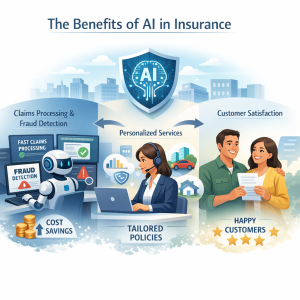
The use of AI in claims processing and fraud detection offers several benefits for insurance companies. First and foremost, it improves the efficiency and accuracy of these processes. With AI, claims can be processed faster, and potential fraud can be detected earlier, resulting in cost savings for insurance companies.
AI also allows for more personalized and tailored services for customers. By analyzing data, AI systems can identify patterns and trends in customer behavior, allowing insurance companies to offer more tailored policies and services to their customers.
Additionally, AI can also improve the overall customer experience. With faster claims processing and fewer delays, customers are more likely to be satisfied with the service they receive from their insurance company.
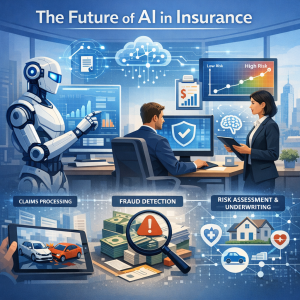
The use of AI in insurance is still in its early stages, but it is rapidly evolving. As technology continues to advance, we can expect to see more sophisticated AI systems being developed for claims processing and fraud detection. These systems will become even more accurate and efficient, leading to further cost savings for insurance companies.
Moreover, AI will also play a significant role in risk assessment and underwriting in the future. By analyzing vast amounts of data, AI systems can help insurance companies determine the risk associated with a particular policy and set premiums accordingly.
In conclusion, AI is transforming the insurance industry, particularly in claims processing and fraud detection. With its ability to analyze large amounts of data and make accurate predictions, AI is making these processes faster, more efficient, and more accurate.
As technology continues to advance, we can expect to see even more AI-powered systems being developed for various aspects of the insurance industry. This will not only benefit insurance companies but also their customers, leading to a more seamless and personalized insurance experience.