 Date: May 28 2026 - 12:30
 Category: Quantum Computing
 Tags: Quantum AI, quantum neural networks, quantumcomputing
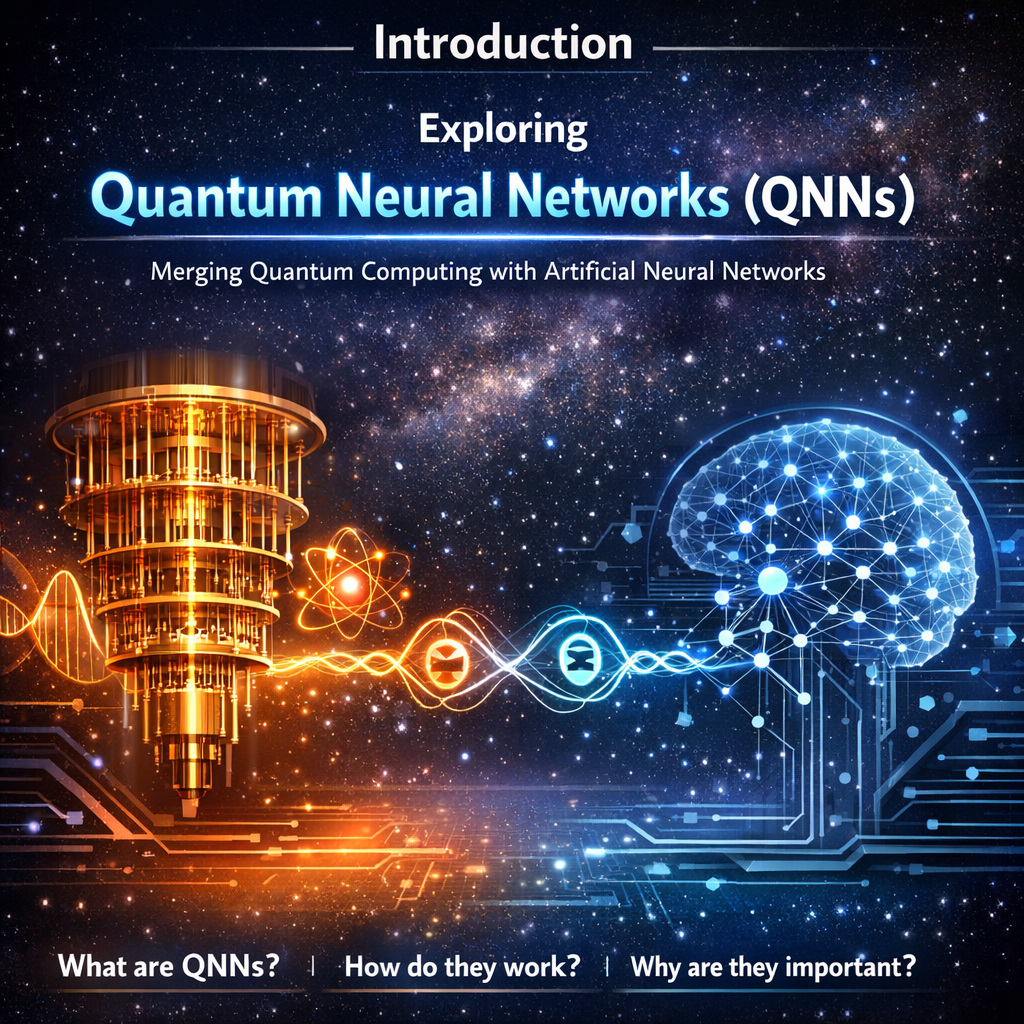
Have you ever heard of the term “Quantum Neural Networks” and wondered what it means? Don’t worry, you’re not alone. Quantum Neural Networks (QNNs) are a relatively new and exciting field of research that combines the power of quantum computing with the principles of artificial neural networks. In this blog post, we will delve deeper into the world of QNNs and explain what they are, how they work, and their potential applications. So let’s get started!
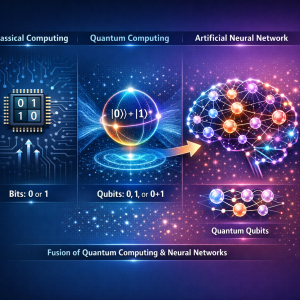
Before we dive into QNNs, let’s first understand the basic principles of quantum computing. Traditional computers use bits to store and process information, where each bit can have a value of either 0 or 1. Quantum computers, on the other hand, use quantum bits or qubits, which can have a value of 0, 1, or both at the same time. This unique property of qubits allows quantum computers to perform complex calculations much faster than classical computers.
Now, combining the principles of quantum computing with artificial neural networks (ANNs) gives rise to QNNs. ANNs are a type of machine learning model inspired by the structure and functioning of the human brain. They consist of interconnected nodes or neurons that process information and produce an output. And just like the human brain, ANNs can learn and improve their performance over time.
QNNs, therefore, are a hybrid of quantum computing and ANNs, where the neurons are replaced by qubits. This combination allows QNNs to process and analyze data in a much more efficient and powerful way than traditional ANNs.
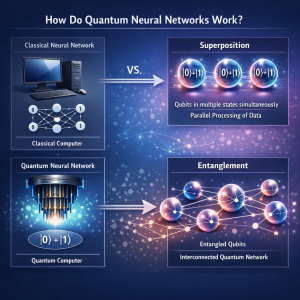
The key difference between traditional ANNs and QNNs lies in their underlying hardware. While traditional ANNs use classical computers, QNNs use quantum computers to perform their calculations. This allows QNNs to take advantage of the unique properties of quantum computing, such as superposition and entanglement.
Superposition is the ability of qubits to exist in multiple states simultaneously. In QNNs, this means that a qubit can represent multiple inputs at the same time, allowing for parallel processing of data. This makes QNNs much faster and more efficient than traditional ANNs.
Entanglement, on the other hand, is a phenomenon where two or more qubits become interconnected and share information with each other, even when separated by a great distance. In QNNs, this allows for the creation of complex and interconnected networks of qubits, which can process and analyze data in a highly parallel manner.
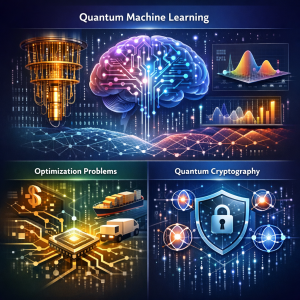
Now that we understand what QNNs are and how they work, let’s explore some potential applications of this technology.One of the most promising applications of QNNs is in the field of quantum machine learning. Traditional machine learning algorithms often struggle with handling large and complex datasets. QNNs, with their ability to process data in parallel and take advantage of quantum properties, can potentially overcome these limitations and improve the accuracy and efficiency of machine learning models.
QNNs can also be used for optimization problems, which are commonly encountered in various industries, such as finance and logistics. These problems involve finding the best solution from a set of possible options. QNNs can provide faster and more accurate solutions to these problems by leveraging their quantum properties to explore and evaluate different solutions in parallel.
Another potential application of QNNs is in the field of cryptography. Quantum computers have the ability to perform calculations that are practically impossible for classical computers, making them a potential threat to traditional encryption methods. QNNs can be used to develop more secure encryption algorithms that can protect sensitive information from quantum attacks.
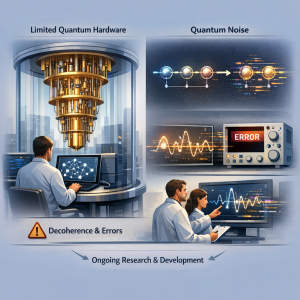
While QNNs have immense potential, they also face some challenges and limitations. One of the major challenges is the need for quantum hardware to run QNNs. Currently, quantum computers are not widely available and are still in their early stages of development. This makes it difficult for researchers to experiment and test QNNs.
Another limitation is the issue of quantum noise. Qubits are highly susceptible to external disturbances, which can cause errors in calculations. This can affect the accuracy and reliability of QNNs, and researchers are still working on ways to mitigate this issue.
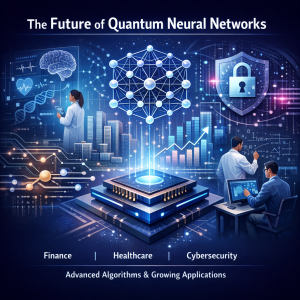
Despite the challenges and limitations, the future of QNNs looks promising. As quantum computing technology advances, we can expect to see more widespread use of QNNs in various fields, such as finance, healthcare, and cybersecurity.
Researchers are also working on developing more efficient and accurate algorithms for QNNs, which can further improve their performance.
Quantum Neural Networks are a fascinating and rapidly evolving field of research that combines the power of quantum computing with the principles of artificial neural networks. With their potential to revolutionize machine learning, optimization, and cryptography, QNNs are poised to become a game-changer in the world of technology. As quantum computing technology continues to advance, we can expect to see more exciting developments and applications of QNNs in the near future.