 Date: Apr 08 2026 - 12:22
 Category: Quantum Computing
 Tags: quantumcomputing, quantumnetworks
Quantum computing has been a buzzword in the tech world for quite some time now. It promises to revolutionize the way we process and store information, with the potential to solve complex problems that are currently impossible for traditional computers. However, the development of quantum computers has been slow and expensive, making it inaccessible to most organizations and individuals. That is until the concept of distributed quantum computing emerged.
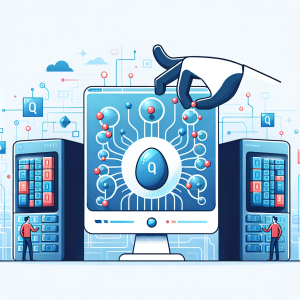
To understand distributed quantum computing, we first need to understand the basics of quantum computing. Unlike classical computers that use bits (0s and 1s) to represent information, quantum computers use quantum bits or qubits.
Qubits can represent multiple states simultaneously, giving quantum computers an edge over classical computers in terms of processing power.
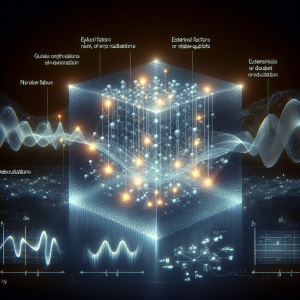
However, the development of quantum computers has faced several challenges. One of the major hurdles is the issue of decoherence, where external factors disrupt the fragile quantum state of qubits, causing errors in calculations.
This has made it difficult to scale quantum computers to a large number of qubits, limiting their capabilities.
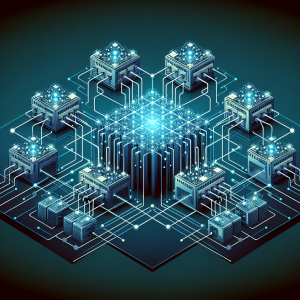
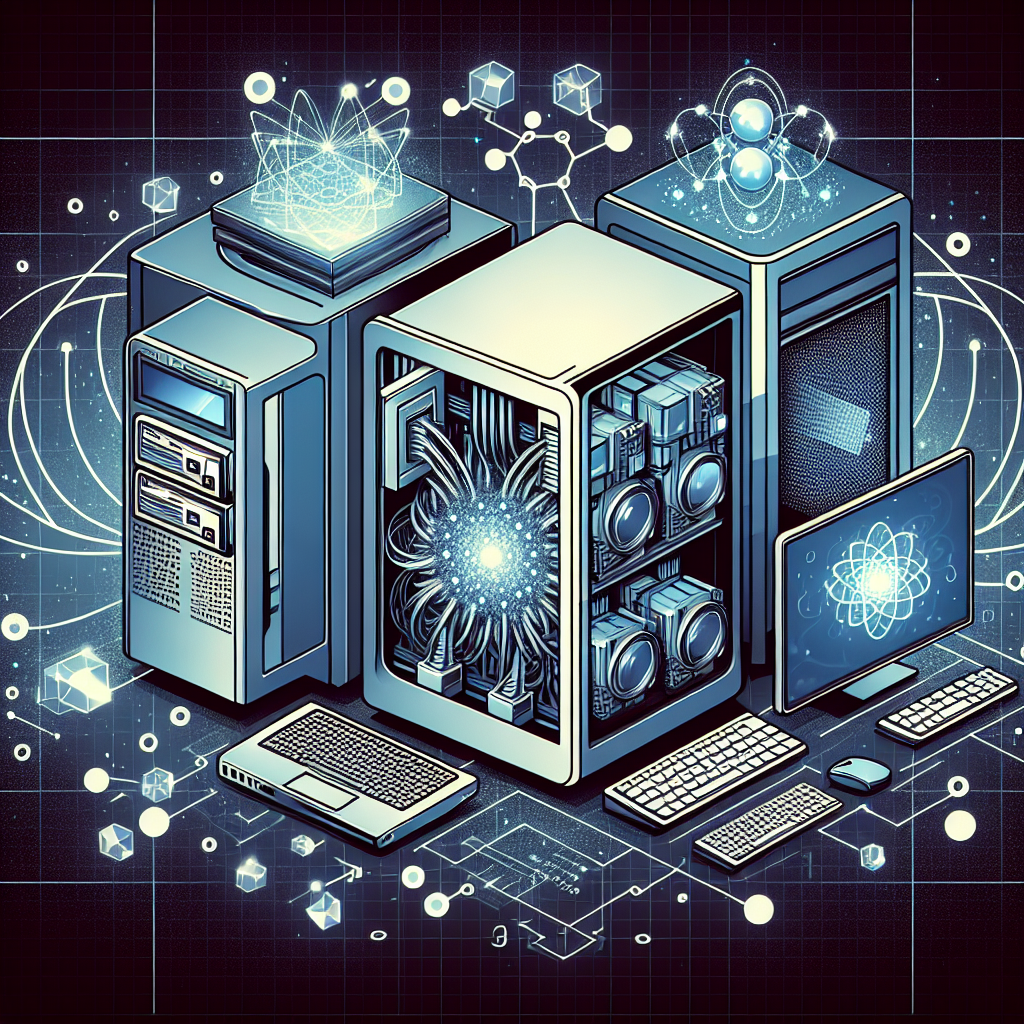
This is where the concept of distributed quantum computing comes in. Distributed quantum computing involves connecting multiple quantum computers together to create a network or cluster of quantum computing power.
This allows for more qubits to be used in computations, making it possible to solve more complex problems.
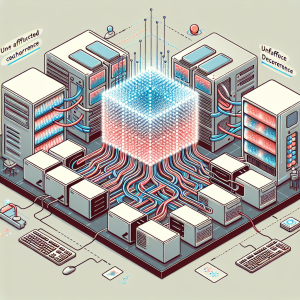
Distributed quantum computing also offers a solution to the issue of decoherence. By connecting multiple quantum computers, the chances of all of them experiencing decoherence at the same time are significantly reduced.
This means that even if one quantum computer in the network experiences decoherence, the others can continue with the calculations, minimizing errors.
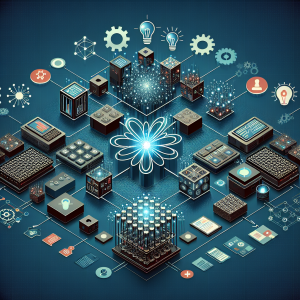
Moreover, distributed quantum computing also allows for the sharing of resources and information between different quantum computers. This means that organizations with limited resources can still access the power of quantum computing by connecting to a network of quantum computers.
It also opens up the possibility of collaboration between different organizations, leading to faster development and innovation in the field of quantum computing.
In conclusion, the future of quantum computing is undoubtedly distributed. It offers a solution to the challenges faced in the development of quantum computers and has the potential to make quantum computing more accessible. With the continued progress in this field, we can expect to see more advancements in distributed quantum computing, leading to a new era of computing power and possibilities.