 Date: May 27 2026 - 12:55
- Updated: May 28 2026 - 11:27
Date: May 27 2026 - 12:55
- Updated: May 28 2026 - 11:27
 Category: Artificial Intelligence
 Tags: AI, Artificial Intelligence
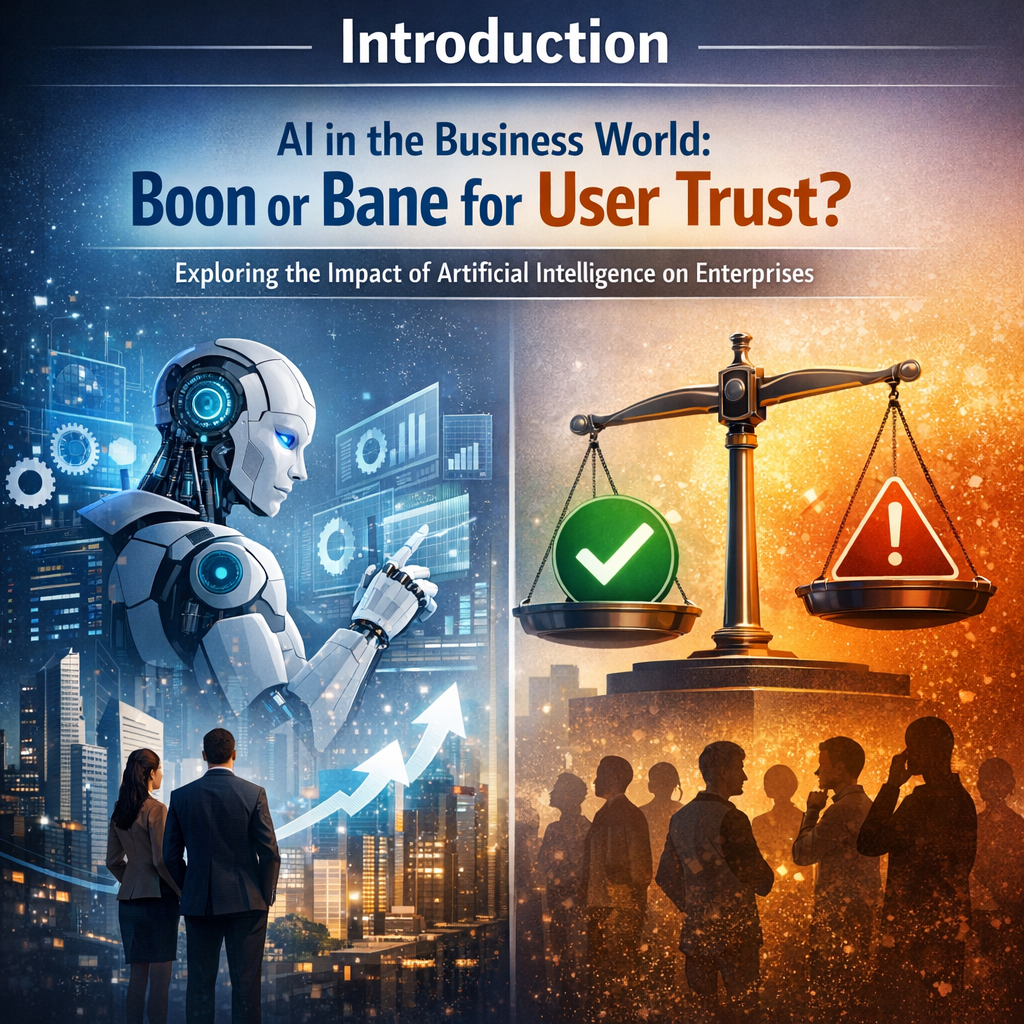
In today’s fast-paced and technology-driven world, Artificial Intelligence (AI) has become a buzzword in the business world. Companies are investing heavily in AI to automate processes, improve efficiency, and gain a competitive edge. However, with the increasing use of AI in enterprises, the question arises: will users trust these companies more or less? In this blog post, we will explore the impact of AI on user trust and discuss whether it will be a boon or a bane for enterprises.
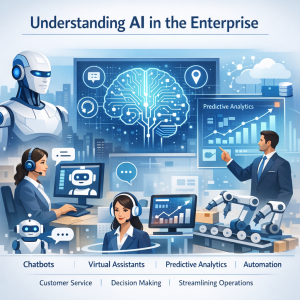
Before delving into the impact of AI on user trust, it is essential to understand what AI is and how it is being used in enterprises. AI refers to the simulation of human intelligence processes by machines, such as learning, reasoning, and self-correction.
In the business world, AI is being used in various forms, such as chatbots, virtual assistants, predictive analytics, and automation. These applications of AI are helping enterprises in decision-making, customer service, and streamlining operations.
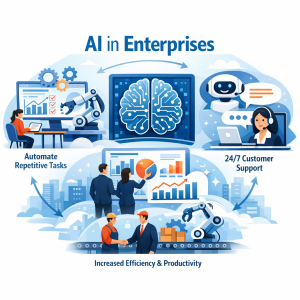
The increasing use of AI in enterprises has many potential benefits, which are attracting businesses towards it. One of the significant advantages of AI is its ability to automate mundane and repetitive tasks, freeing up human resources for higher-value work.
AI can also analyze vast amounts of data and provide valuable insights for business decisions. Moreover, AI-powered chatbots and virtual assistants can provide 24/7 customer service, improving the overall customer experience. These benefits make AI an attractive option for enterprises looking to improve efficiency and productivity.

Trust is the foundation of any successful business. It is the belief that customers have in a brand or company, and it plays a crucial role in their decision-making process. A company that is trusted by its customers is likely to have a loyal customer base, increased sales, and a positive reputation.
On the other hand, a lack of trust can lead to a decline in customer loyalty, negative reviews, and a damaged brand image. Therefore, trust is a critical factor for enterprises to consider when implementing new technologies like AI.
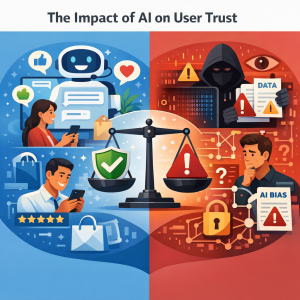
The use of AI in enterprises has the potential to either increase or decrease user trust, depending on how it is implemented and perceived by users. On one hand, AI can improve user trust by providing better customer service and personalized experiences. For instance, AI-powered chatbots can quickly respond to customer queries, providing a seamless and efficient service. This can lead to increased customer satisfaction and ultimately, higher levels of trust.
On the other hand, the use of AI can also lead to a decrease in user trust, especially if it is perceived as intrusive or unethical. For example, if AI is used to collect and analyze personal data without the user’s consent, it can erode trust and lead to concerns about privacy and security.
Similarly, if AI is used for decision-making without transparency or accountability, it can create doubts about the fairness and reliability of the process.
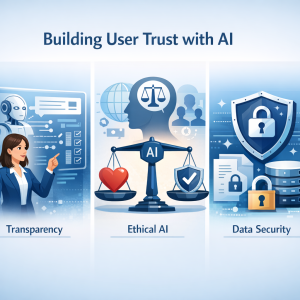
To ensure that the use of AI in enterprises leads to an increase in user trust, businesses must take certain measures. Firstly, transparency is crucial when using AI. Companies should clearly communicate how AI is being used and the data it collects. This will help users understand and trust the process.
Secondly, ethical considerations should be a top priority when implementing AI. Businesses should ensure that AI is used in a responsible and unbiased manner. Finally, companies should prioritize data security and privacy to build trust with their users.
In conclusion, the use of AI in enterprises has the potential to both increase and decrease user trust. It can be a valuable tool in improving efficiency and providing better customer experiences, leading to increased trust. However, companies must also consider the ethical and privacy implications of using AI to avoid eroding user trust. By being transparent, ethical, and prioritizing data security, enterprises can build trust with their users and reap the benefits of AI in the long run. In a nutshell, it is not AI itself that determines user trust, but how it is used and perceived by users that will make the difference.